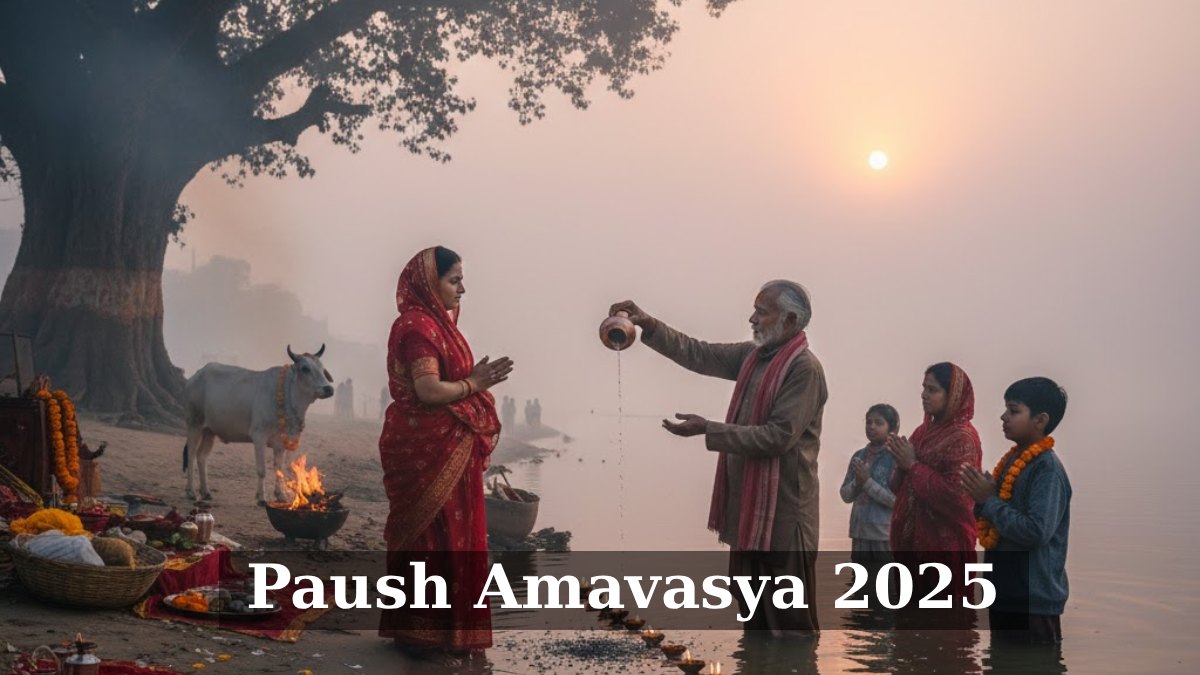
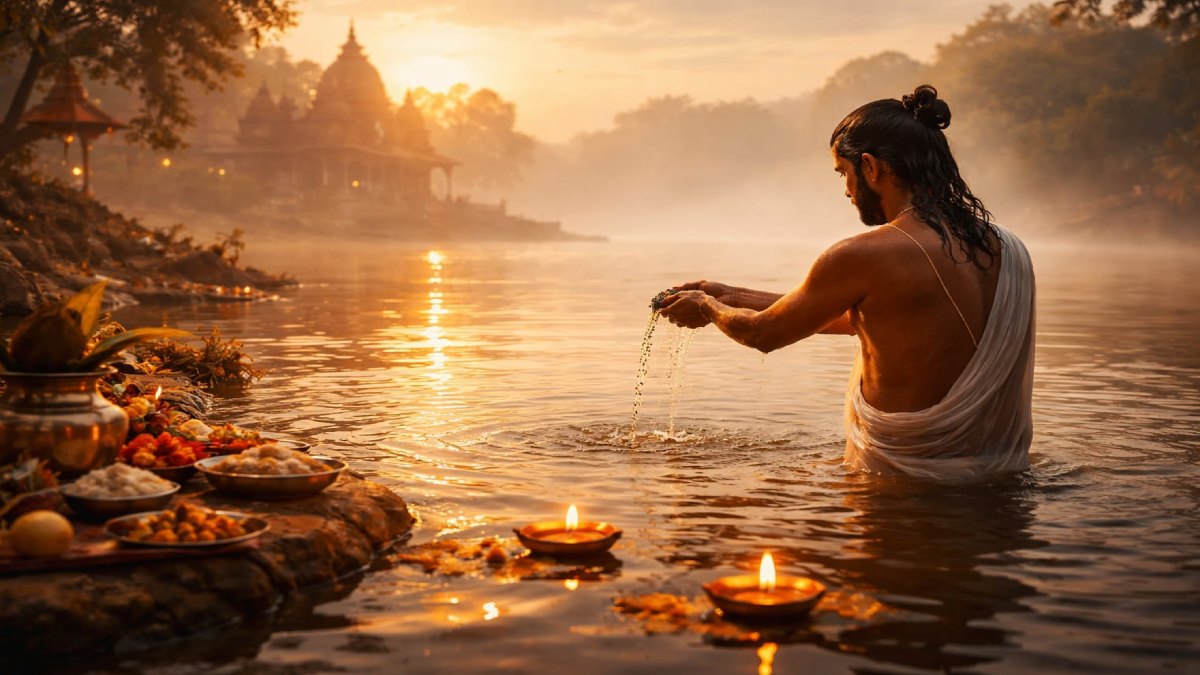
According to Hindu mythology, Mauni Amavasya (or Maghi Amavasya) is one of the most spiritually powerful days of the year. Partaking in the holy month of Magha, this is a day of silence (Mauna), inner cleansing and ancestor worship. An age-old story says that on this day, the water of the blessed Ganga matures into the form of nectar (Amrit). Adherents find that to perform a dip in the Ganga on Mauni Amavasya is the equivalent of 100 Ashwamedha Yagnas.

Mauni Amavasya 2026: Date and Shubh Muhurat
| Event | Date & Time |
| Mauni Amavasya Date | January 18, 2026 (Sunday) |
| Amavasya Tithi Begins | 12:03 AM on Jan 18, 2026 |
| Amavasya Tithi Ends | 01:21 AM on Jan 19, 2026 |
| Brahma Muhurat (Bathing Time) | 05:27 AM to 06:21 AM |
| Abhijit Muhurat | 12:10 PM to 12:53 PM |
| Sarvartha Siddhi Yog | 10:14 AM (Jan 18) to 07:14 AM (Jan 19) |
The Tithi starts at midnight but the festival is held on January 18 in adherence to the Udaya Tithi (sunrise timing).
Significance of Mauni Amavasya
"Mauni" is a Sanskrit word derived from the Sanskrit word Muni: A sage or a saint who can achieve higher consciousness through silence.
- Mental discipline: According to astrology, on this day, the absence of the Moon (the ruler of mind) makes the mind restless. Observing silence helps us to reign in those drifting thoughts and build up the ego.
- Birth of Sage Manu: Many believe the birth of Sage Manu: This auspicious day was the birth of Manu, hence we regard it as the "Birthday of humanity."
- Karmic Cleansing: This is one of the most rare days which gives Akshaya Punya to Snan (bathing), Daan (charity), Japa (chanting) - merit that will never decrease.
Rituals to Follow
For the greatest spiritual benefit, the followers must have the following traditional rituals. The Silent Bath (Mauna Snan) Take a dip in a sacred river, like the Ganga or Yamuna. Whenever you’re bathing at home, add a few drops of Gangajal and black sesame seeds to your water. Always keep your mouth shut during this.
- Vow of Silence (Maun Vrat): Stay silent during the day or at least for a few hours after sunrise. If you would have to talk, just speak slowly and gently and don't be mean.
- Ancestor Worship (Pitru Tarpan): Amavasya is the day of the ancestors. Providing water filled with black sesame seeds to your ancestors (Tarpan) so as to resolve Pitru Dosha also helps to soothe the peace of the household. Tulsi Parikrama devotees traditionally perform 108 circumambulations around the Tulsi plant, hoping for the blessings of Lord Vishnu.
- Secret Charity (Gupta Daan): Donating to the needy items such as black sesame, blankets, jaggery and warm clothes in confidence is highly recommended. Performing this kind of action in anonymity on this occasion brings greater spiritual rewards.