Metabolic disorders are slowly emerging as one of the most significant health crises of the modern era. It’s a simple but dangerous combination: a sedentary lifestyle and a diet dominated by processed food.
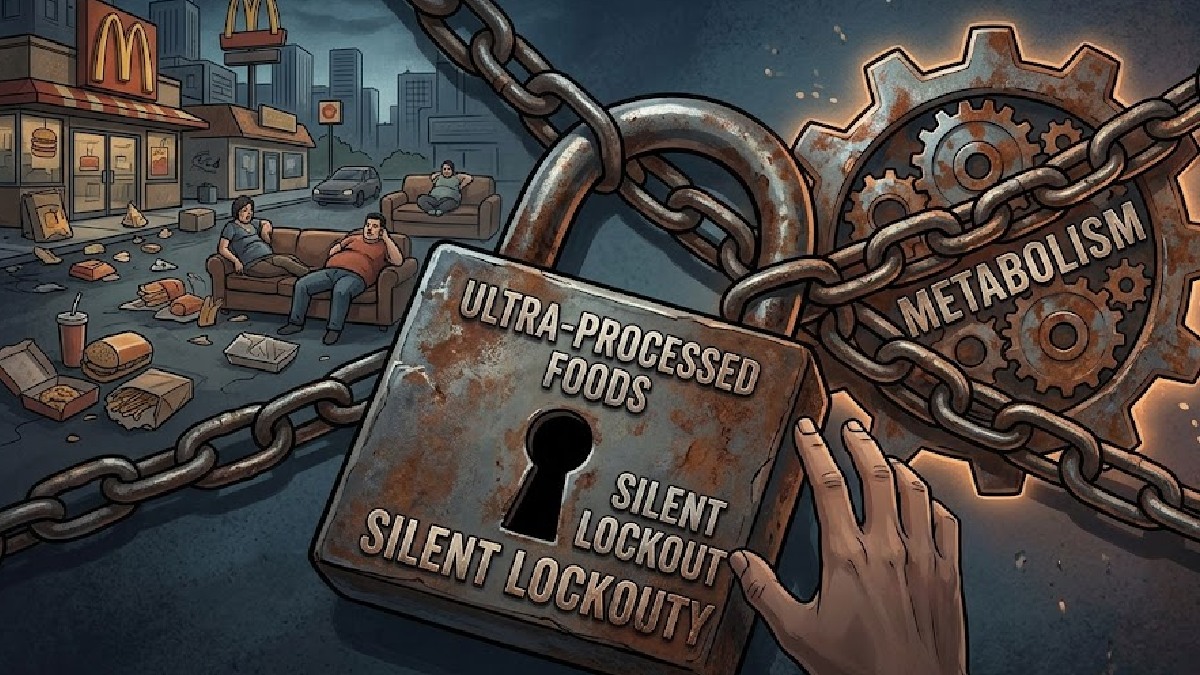
Combined they set off a chain reaction in the body that is then characterized by insulin resistance and obesity
What starts Insulin resistance
Insulin is the hormone that helps your cells absorb glucose from the blood for energy. When you move regularly, muscles use glucose effectively and insulin sensitivity is high. But when physical activity drops off, as it has for millions of people working desk jobs and living increasingly automated lives, muscles no longer demand glucose the way they used to.
At the same time, diets rich in processed foods, refined carbohydrates, and added sugars flood the bloodstream with glucose faster than the body can handle. Cellular responses to insulin are less and less responsive to insulin’s signal, and the pancreas must produce more and more of it just to keep blood sugar in check.
This is insulin resistance the metabolic tipping point that fuels so much of today’s chronic disease burden.
The Downstream effects: Weight Gain and Diabetes
If insulin resistance occurs, the body stores more fat, particularly around the abdomen, because high levels of insulin cause fat storage rather than fat burning. It is a vicious cycle with weight gain leading to an increase in insulin resistance and an increase in insulin resistance leading to weight gain.
If left unaddressed, this cycle generally results in type 2 diabetes where the pancreas is no longer working properly and insulin levels can persistently rise. Type 2 diabetes also results in heart disease, kidney damage, nerve damage, and vision loss.
Breaking the Cycle
The good news is that insulin resistance is usually reversible if it is caught early. Regular physical activity even brisk walking for 30 minutes a day will help improve insulin sensitivity.
Less processed food and more whole foods, fiber, lean proteins, and healthy fats stabilize blood sugar and lower the pancreas’ load. And daily habits are not only a matter of obesity or diabetes, but reduce the risk of diabetes.
The Takeaway
Metabolic diseases are not something that happen overnight they take years of inactivity and bad dietary choices. A diagnosis of sedentary lifestyle, processed food consumption, insulin resistance, and type 2 diabetes is the first step towards prevention.
Recovering movement and thinking about what’s on your plate is not a lifestyle change, but rather it can keep your metabolism functioning for life.