As the monsoon season gets closer every year, discussions about rain are common in rural India. Modern weather forecasting technologies are now available to some people, and new technologies are available to others, but many villages still rely on traditional signs of nature.
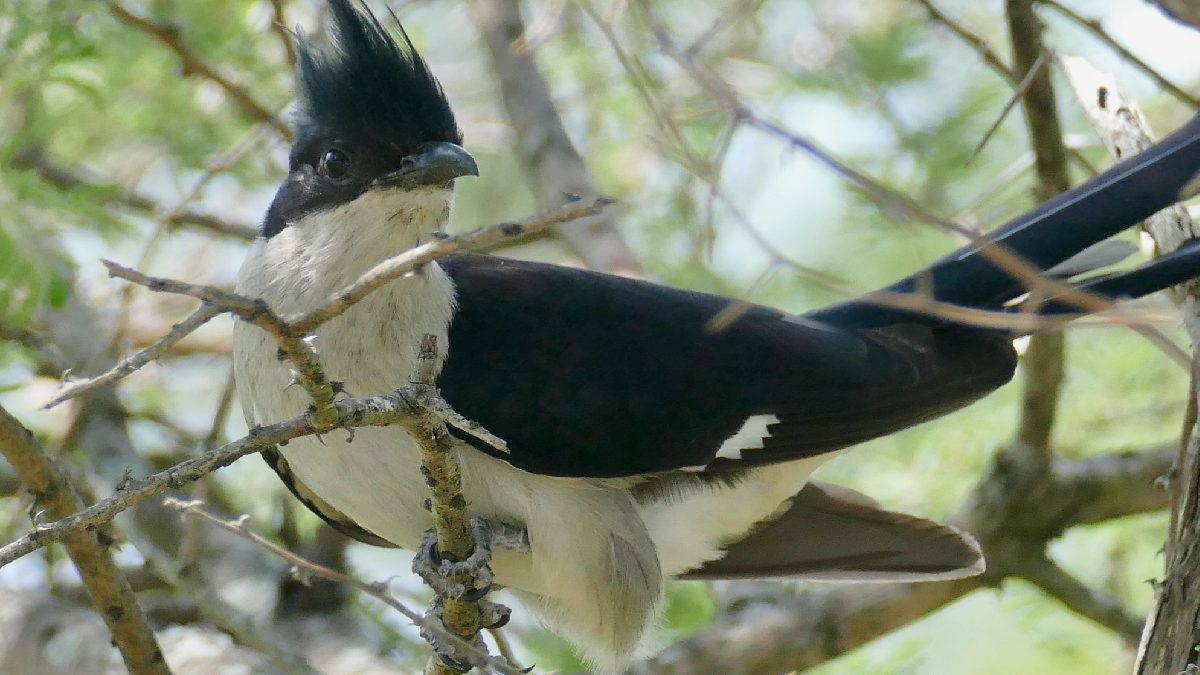
The ancient story of a bird that is said to predict the arrival and intensity of the monsoon, in particular, is one of the oldest in these beliefs. For many years, the villagers have followed this bird’s nesting behaviour and eggs to predict how much rain a particular season will bring.
The bird has been considered a natural messenger of rain (local folklore). Long before meteorological departments and satellite-based forecasts existed, farmers watched birds and animals to follow the movement of birds and animals to monitor the seasonal changes. This bird is associated with rural people who think that their eggs tell them when it will rain.
Many villagers say the number of eggs that are successfully protected by the bird indicates the duration of the rainy season. If a nest has four eggs and only three are still in place after many disturbances, the region might receive rain for three months according to the belief. There is no real scientific evidence of this, but such beliefs are also passed on from generation to generation, and they still influence local perceptions of weather.
Another common belief is that the bird nests near water sources. If it lays eggs along a riverbank or near wetlands, villagers think it’s a sign that water will still be available in that area. And they even believe that serious rains will only start once the chicks hatch.
The bird is also unusual in its behaviour and is known for its odd behaviour. Elderly villagers often say they rarely see it perched on trees or flying high in the sky. It usually stays on the ground or near water bodies. Its nests are closely related to moist habitats where insects, worms, and other small creatures are abundant. These sources of food are critical for a bird to feed its young.
Male and female birds are known to take care of eggs and chicks as well. Their cooperative parenting behaviour has been compared to the care and attention of humans to their children. This kind of caring nature only further reinforces the bird's special status in local folklore.
Among the monsoon-associated birds, the most popular Indian bird is the Jacobin Cuckoo, also known as the Chataka bird. It is also known as the rainbird, as it is associated with the monsoon and is also seen late in May and June at the beginning of the monsoon season in many parts of the country.
Another bird that is often associated with monsoon folklore is the Pheasant-tailed Jacana. Males are beautiful in copper, purple, orange, brown, and green colours in the breeding season. Their appearance and preference for wetlands make them quite prominent in monsoon months.
Even if modern science has come to regard the rain as a result of atmospheric conditions rather than bird behaviour, these traditional beliefs are a central part of India’s cultural heritage. They represent the close ties between rural lives and nature, in which birds, animals, and seasonal behaviour during the years before the development of advanced forecasting tools and information systems helped people understand their environment.
With the popularity of weather apps and forecasts, it is now the story about forecasters predicting rain and birds forecasting that is most fascinating. Whether viewed as folklore, tradition, or a very interesting instance of human interaction with nature, birds are still the very thing we see at the front lines every monsoon season.