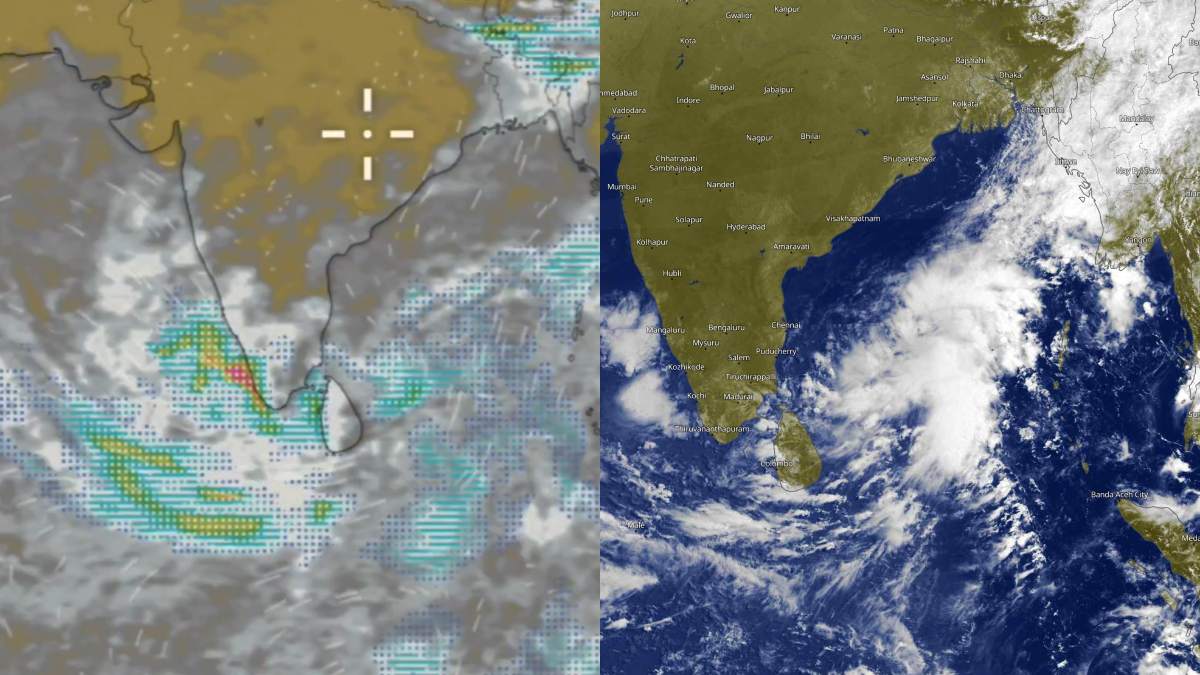
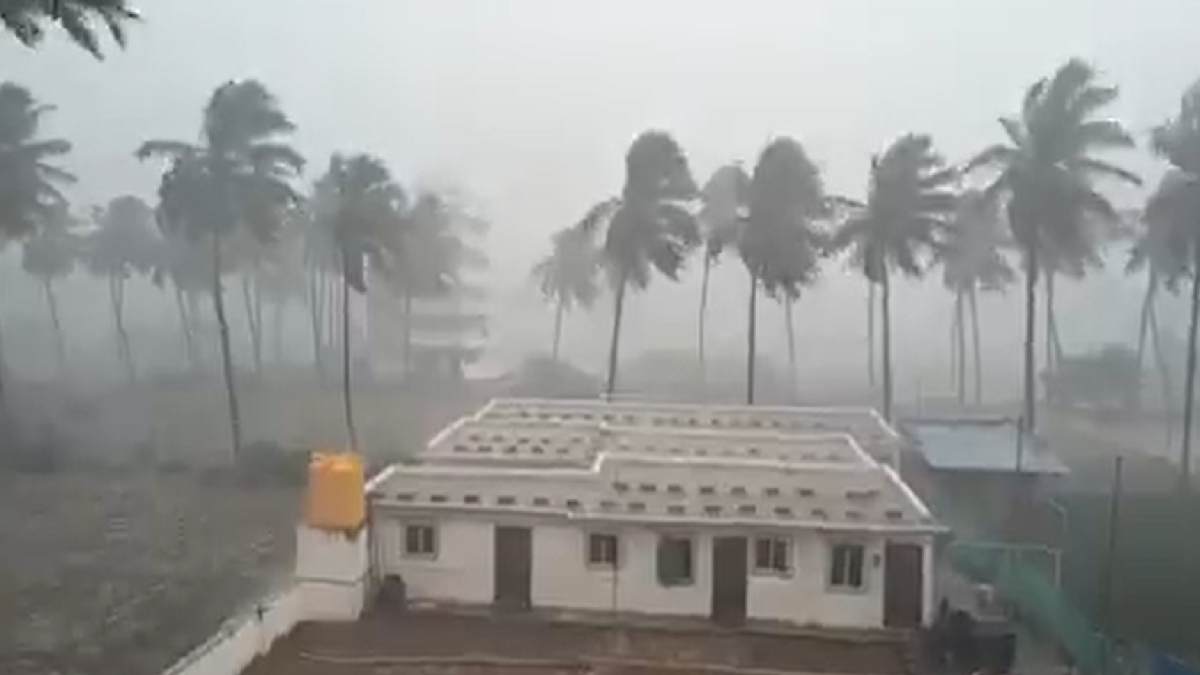
India is experiencing one of its most difficult monsoon seasons in recent years, with the country experiencing its driest June in 146 years. And with a gap of three years in southwest monsoon activity, we are seeing a dramatic rainfall deficit in large parts of the country, and it is affecting agriculture and water supply as well as the overall economy.
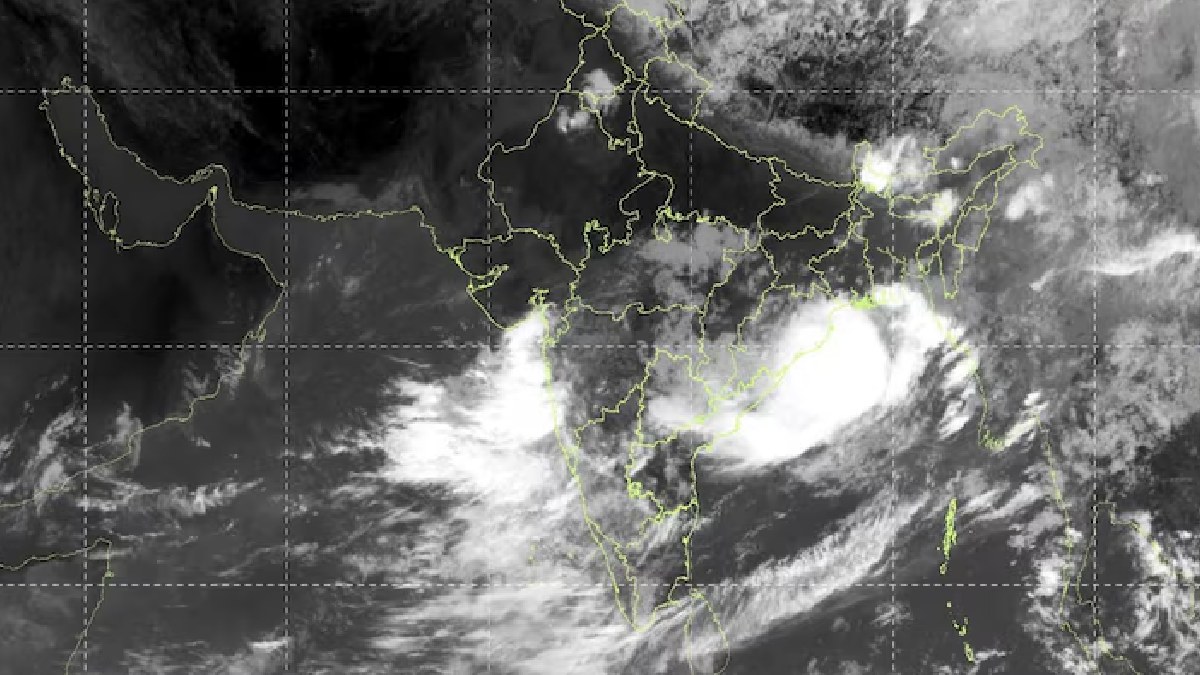
But weather experts now believe that the stalled monsoon may finally be showing signs of revival. Moisture-laden winds from the Arabian Sea have started moving towards parts of Maharashtra and southeastern Gujarat, and there are hopes that rain activity will increase in the next few days.
According to data issued by the India Meteorological Department (IMD), the country received only 53.1 mm of rainfall from June 4 to June 22. Normal rainfall is 97.6 mm. This means a nationwide rainfall deficit of almost 46 per cent.
The severe shortfall has made June 2026 the driest June in nearly a century and a half. Meteorologists say such a huge deficit at this stage of the monsoon season is very unusual and has already begun affecting agricultural operations across several states.
Rainfall Deficit Alarms Across States
The rainfall shortage is especially severe in central and western India. State-wise rainfall data paints a worrying picture of the ongoing monsoon season.

Madhya Pradesh has a rainfall deficit of around 58 per cent, and Maharashtra has had one of the sharpest drops, with rainfall nearly 85 per cent below normal levels. Gujarat, another state that depends heavily on monsoon rains, has received about 84 per cent less rainfall than usual.
Other states that are currently experiencing severe rainfall shortages include Jharkhand and Chhattisgarh, where the deficit is almost 71 per cent. Meghalaya, often known for heavy rainfall in the past, is 81 per cent deficient. Karnataka has also been experiencing a 45 per cent deficit in rain during the monsoon season.
Karnataka Among Worst-Affected States
Karnataka has been affected by the weak monsoon. The state was expected to receive 136 mm of rainfall from June 1 to June 22. But only 78 mm was recorded, which is a deficit of about 45 per cent.
The situation is particularly acute for Dakshina Kannada, Uttara Kannada and Udupi coastal regions. These regions usually receive about 551 mm of rainfall in this season, but have only 210 mm so far recorded (62%).
Similarly, the Malnad districts of Shivamogga, Kodagu, Chikkamagaluru and Hassan were expected to receive about 234 mm of rainfall. But 95 mm was recorded, which was a deficit of nearly 59 per cent.
South Karnataka has performed better, receiving 52 mm of rainfall compared to the 53 mm normal. North Karnataka has also seen below-average rainfall, recording 53 mm as opposed to 74 mm expected.
Impact on Agriculture and Water Resources
The delayed and deficient monsoon has already begun affecting agricultural activities, particularly Kharif sowing. Farmers in Karnataka, Maharashtra, Gujarat, and many other states have been waiting for adequate rainfall before starting large-scale cultivation.
The long dry spell has also elevated temperatures in many areas, putting a lot of pressure on reservoirs, groundwater supplies and drinking water supplies. If the situation does not improve quickly, agricultural experts warn that crop yields, farm incomes and food production could suffer from shortages.
Signs of Monsoon Revival
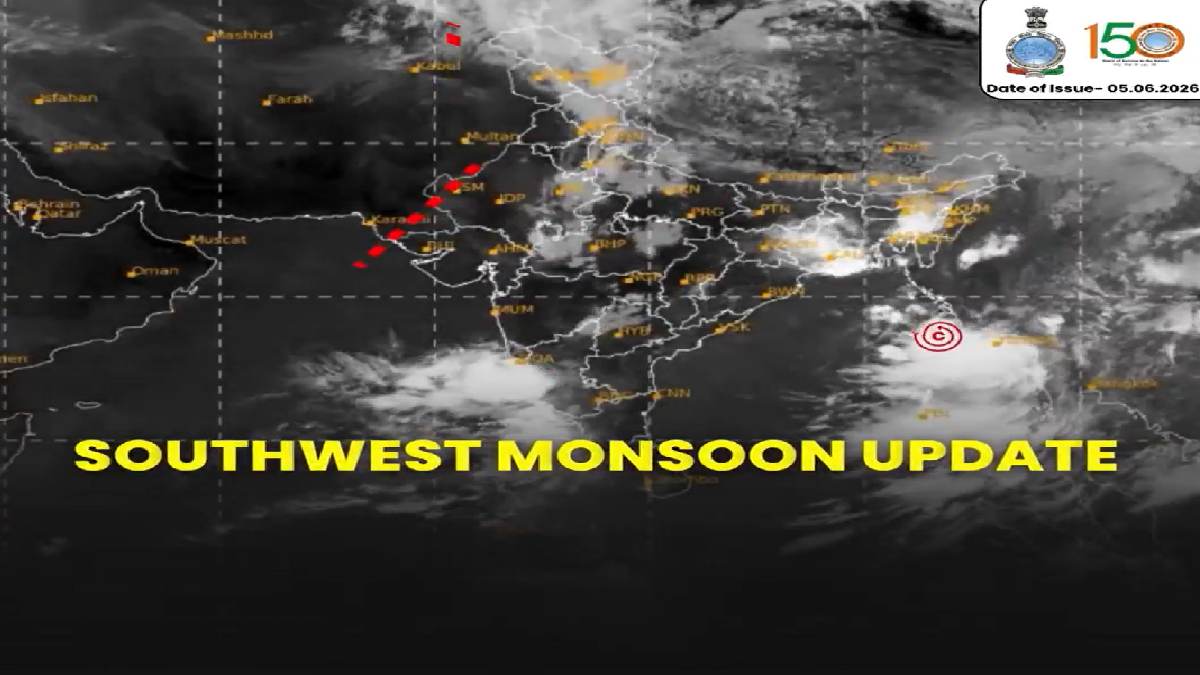
But weather experts say conditions are gradually improving, and monsoon conditions are gradually improving for a revival of the monsoon. Satellite images of central and western India have been released by the IMD recently, which show there is very low cloud activity in these areas. But the atmosphere is changing, and monsoon winds are starting to develop once again.
Experts forecast that rainfall activity will increase in the next 48 hours in central India, Maharashtra, Gujarat and adjoining regions. While this might provide some relief, experts say it is difficult to solve such a large rainfall deficit.
The coming week is probably going to be crucial for India’s monsoon season. Continued rain could alleviate farmers’ fears and increase water availability, but meteorologists say the accumulated deficit will only be met if there is widespread and consistent rainfall over a long period of time.
As millions of farmers anxiously await the arrival of stronger monsoon showers, the next few days could be decisive in determining the course of India’s agricultural season and the overall impact of the driest June in nearly 146 years.