
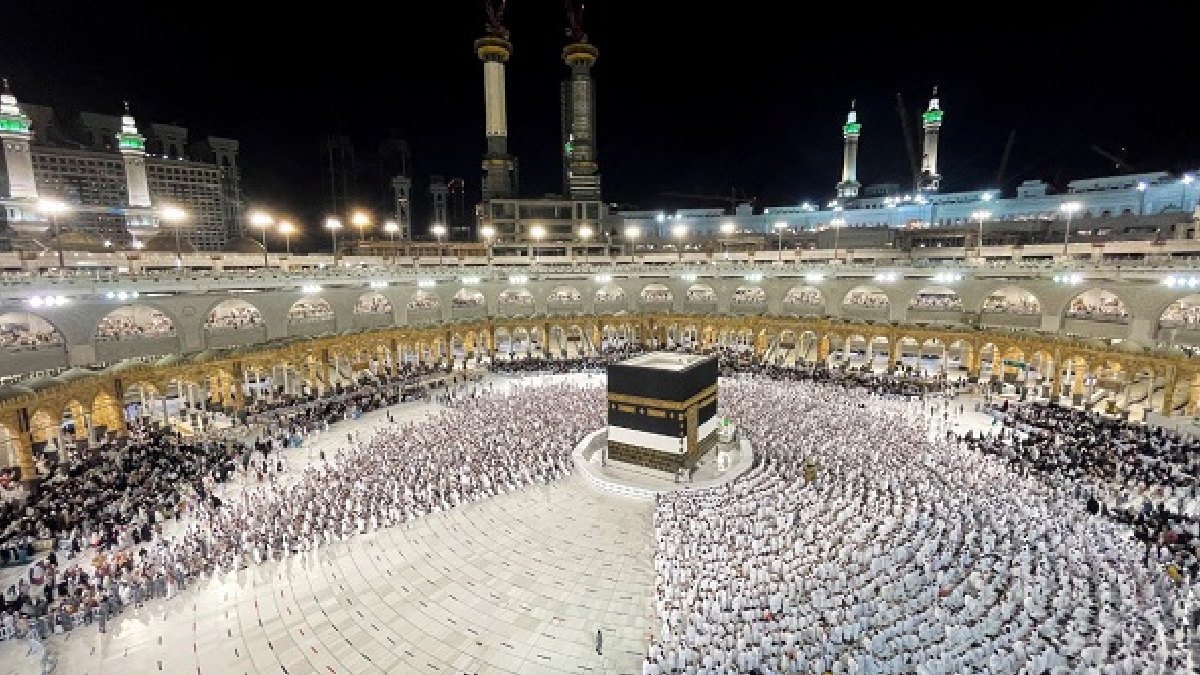
The Al-Masjid al-Haram Mecca, Saudi Arabia is the holiest religious site in Islam and a major driver of economic activity in the region. Pilgrims at the mosque are said to visit the site millions of times, and religious tourism within the region is among the main pillars of the Saudi economy. Also surrounding the centre area of prayer for Muslims the Kaaba is the primary location for Hajj and Umrah pilgrims from the world.
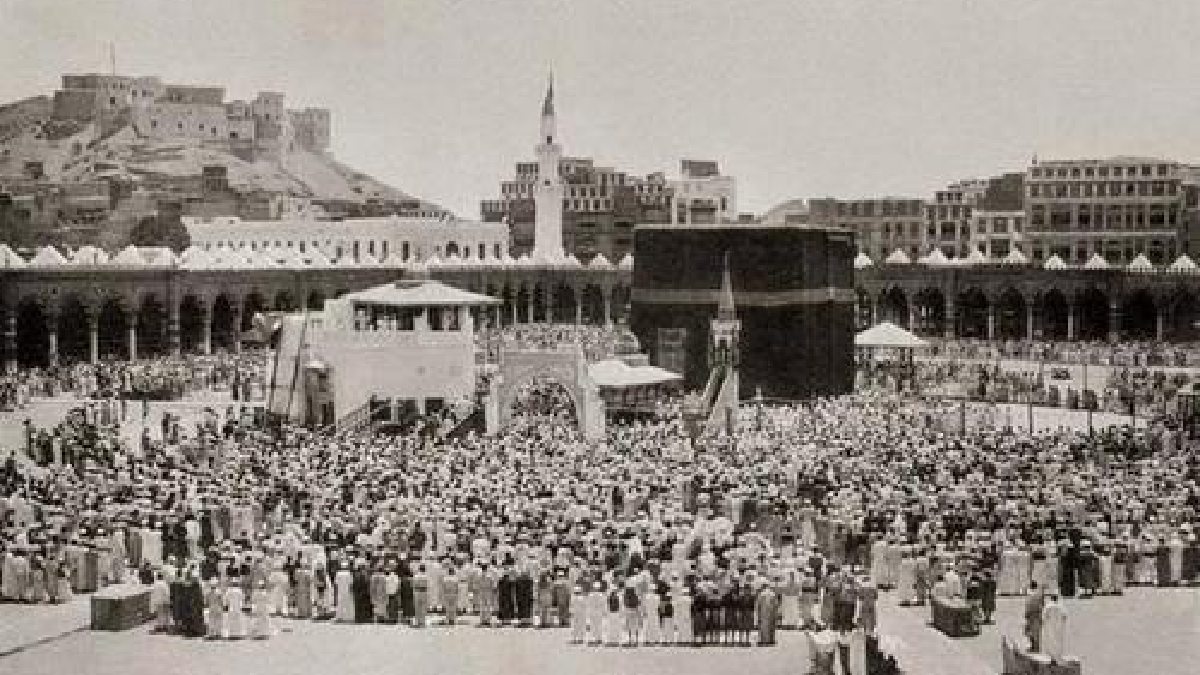
Economic Contribution of Religious Tourism (HTA)
Religious tourism associated with Al-Masjid al-Haram is one of the largest contributors to Saudi Arabia's non-oil economy. The following seasons of pilgrimage generate significant money:
Hotel and lodging services
Transportation and logistics. Food and retail businesses. Hosting and guided pilgrimage services. In line with long-term development strategies, the Saudi government aims at diversifying the economy by strengthening the religious tourism sector.


Infrastructure Development and Urban Transformation
Saudi Arabia has spent millions of dollars expanding and upgrading facilities around the mosque. Such investments also focus solely on major infrastructure developments which enhance prayer space capacity and visitor transportation arrangements. Key infrastructural projects included:
Growth of praying houses and courtyards adjacent with them
Development of high-capacity transport systems. Design and construction of luxury and mid-market hotels to match the pilgrimage crowds. This development has established Mecca as one of the most important religious tourism economies throughout the Middle East.
Employment and business opportunity
Pilgrimage economy generates employment in all sectors. Mecca businesses heavily rely on seasonal pilgrimage income, especially during the Hajj season. There have been signs of employment growth on:
Construction and engineering
Tourism and hospitality businesses. Sectors of retail and service. Especially during pilgrimage seasons, international arrivals have an enormous benefit for the small and medium enterprises.
Policies and Economic Vision
Religious tourism is one of the key pillars of Saudi Arabia's economic diversification agenda. National plans in the long run will have the objective of increasing Umrah visitors per annum, but at the same time enhance overall visitor experience and infrastructure to ensure safety. Regulators continue to weigh conservation of religious heritage against commercial and economic development needs.
Challenges and Risks
Many challenges remain, even with high economic benefits. Clogging in peak pilgrimage seasons. Maintenance of infrastructure costs. Climate-related challenges as a result of temperature extremes. Addressing global public health and safety dangers amid mass gatherings. For this, authorities have deployed digital crowd management and advanced surveillance technologies.
Future Economic Outlook
Expansion projects in Al-Masjid al-Haram next year are likely to help bolster religious tourism revenues. Digital pilgrimage management, smart infrastructure, and sustainable development strategies will surely guide future growth. The religious tourism industry is anticipated to continue to be a pillar of Saudi Arabia’s economic development.





Comments