Sleep may feel like downtime, but it’s when your body makes repairs, recharges, and restores itself. Whether it’s skipping sleep or getting too little, it can take a toll on your health in ways you may not even realize until it’s too late. Here’s what happens to your body when you chronically don’t get enough sleep.
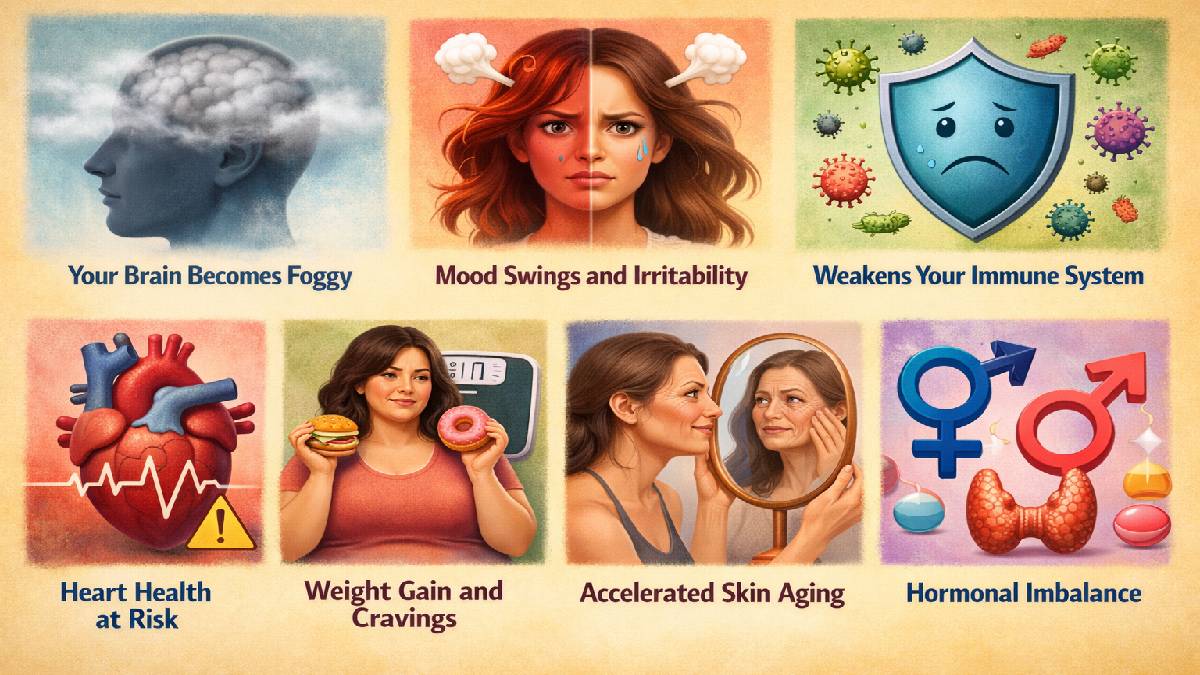
1. Your Brain Becomes Foggy
Sleep is essential for memory, learning, and focus. Without enough sleep, your brain cannot process information and make decisions. Then the next morning you will find yourself forgetting things, making mistakes, and simply getting tired intellectually after a simple act.
2. Mood Swings and Irritability
Sleep deprivation disrupts your emotional equilibrium. You may become irritable or anxious, you may feel more stressed, since your brain’s ability to moderate emotions is degraded. And chronic sleep deprivation over a long period of time can even lead to depression and anxiety disorders.
3. Weakens Your Immune System
Your body makes infection‑fighting proteins and antibodies while you sleep. Sleep deprivation makes your immune system less effective, and you are susceptible to colds, flu, and other illnesses.
4. Heart Health at Risk
A lack of rest can raise blood pressure, heart rate, and stress hormones. Over time, this increases your risk of heart disease, stroke, and other cardiovascular problems.

5. Weight Gain and Cravings
Sleep impacts your hunger hormones—ghrelin (which makes you hungry) and leptin (which indicates that you are full). Ghrelin goes up and leptin goes down in those who sleep less; therefore, you hunger for high‑calorie foods with sugar and calories and gain weight more easily.
6. Accelerated Skin Aging
Sleep is a time when your body repairs skin cells and makes collagen. Lack of sleep can cause dull skin, fine lines, dark circles, and skin damage early in aging.
7. Hormonal Imbalance
Sleep regulates hormone levels in growth, metabolism, stress, and appetite. Not getting enough sleep will upset that balance which can affect your energy, health, physical appearance, and weight.
How Much Sleep Do You Really Need?
In the case of adults, it's ideal to get in seven to nine hours of sleep every night. Teenagers require 8–10 hours a day—teenagers particularly, and kids even more. Chronic lack of sleep is no “normal” thing; it’s one of the most important health risks.
Ways to Sleep Better Tonight
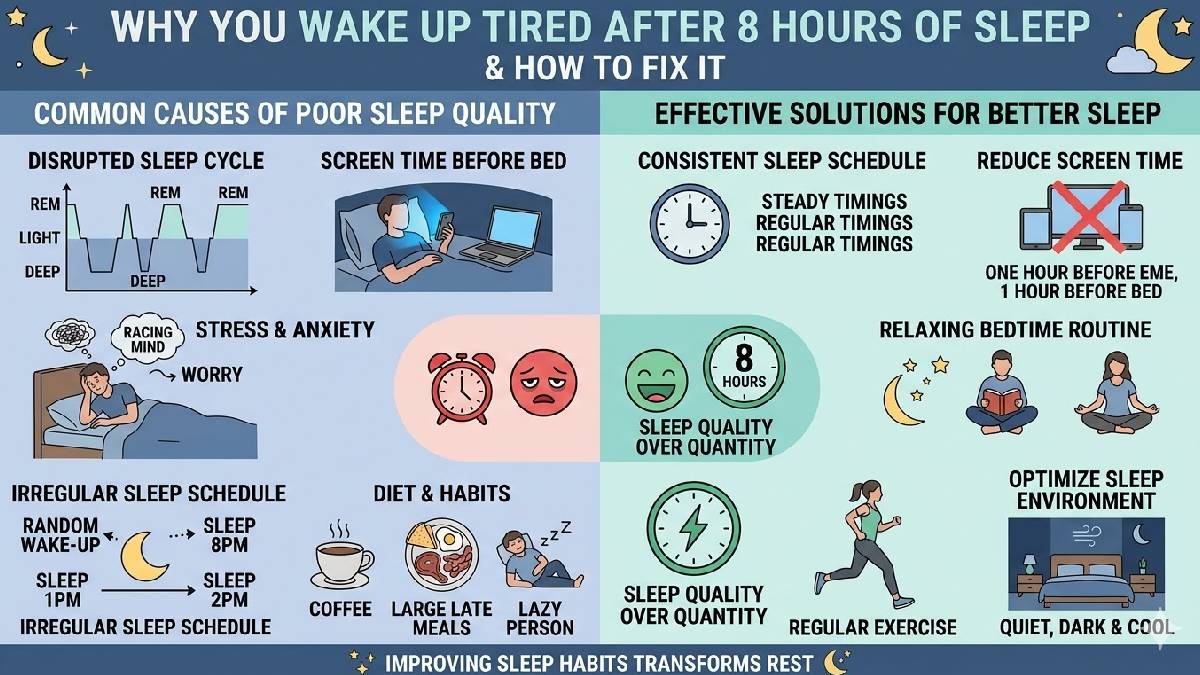
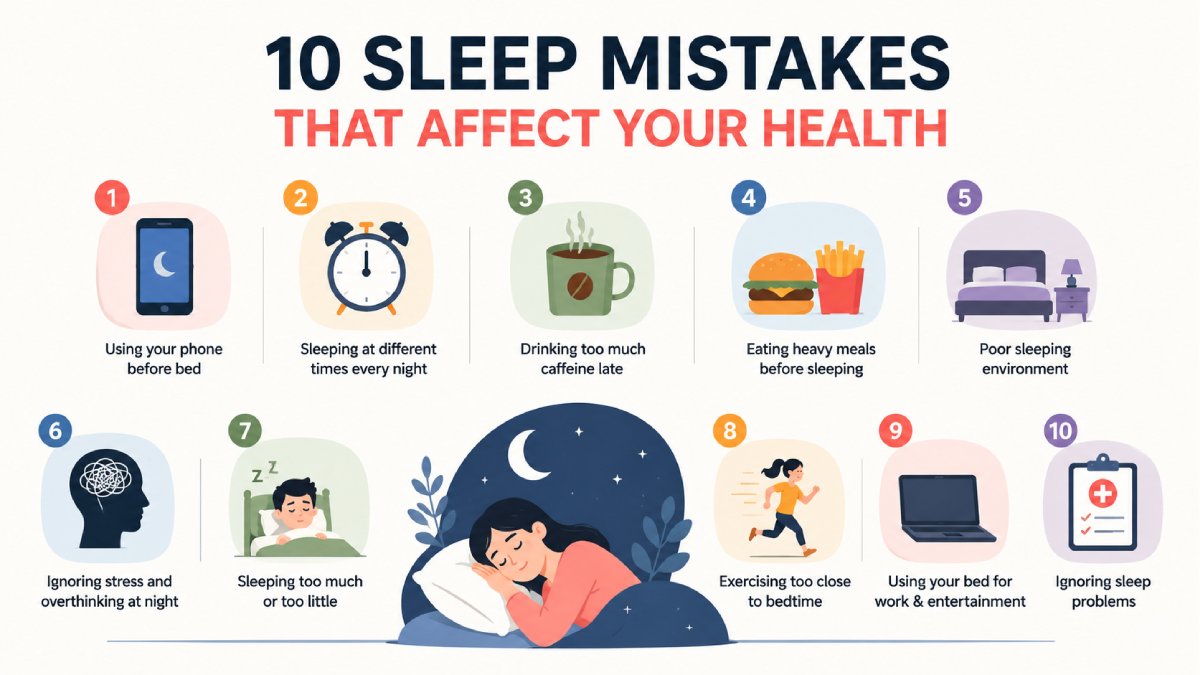
- Keep a consistent sleep schedule.
- Avoid screens 1 hour before bed.
- Restrict caffeine and heavy meals at night.
- Make the sleep environment dark, quiet, and cool.
Bottom Line
Sleep is not optional—it influences the brain, heart, skin, immunity, hormones, and mood; and if you keep up without sleep you might not have any health. Prioritize sleep as if your health depends on it… because it does.