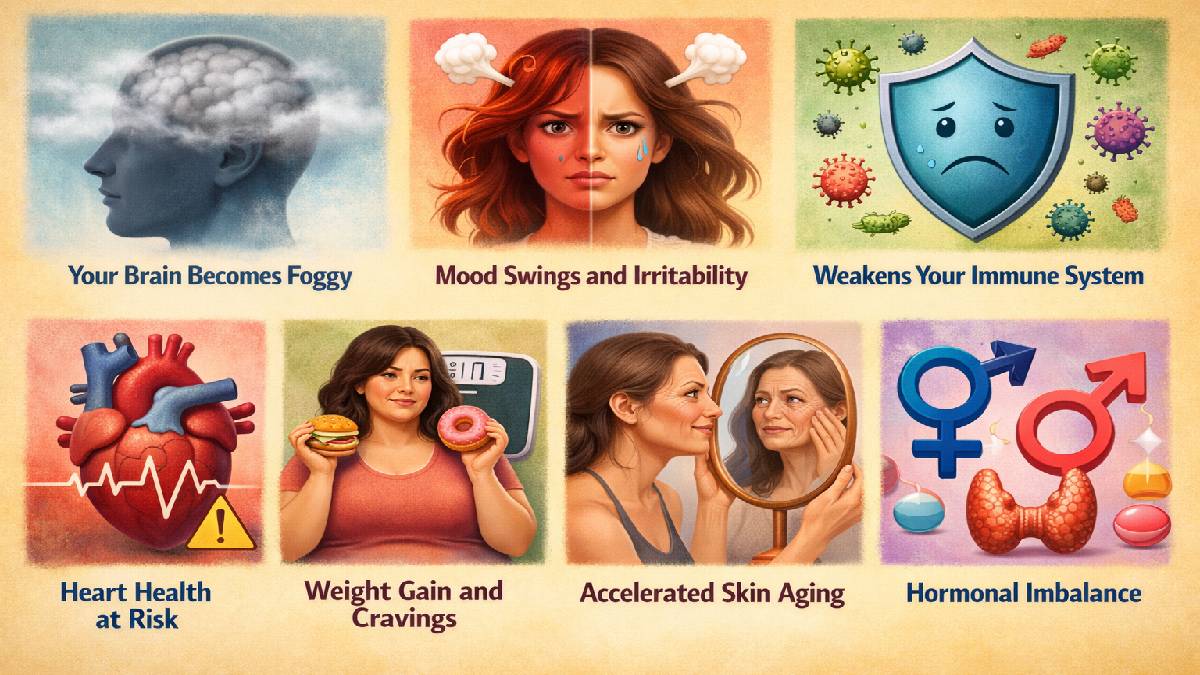
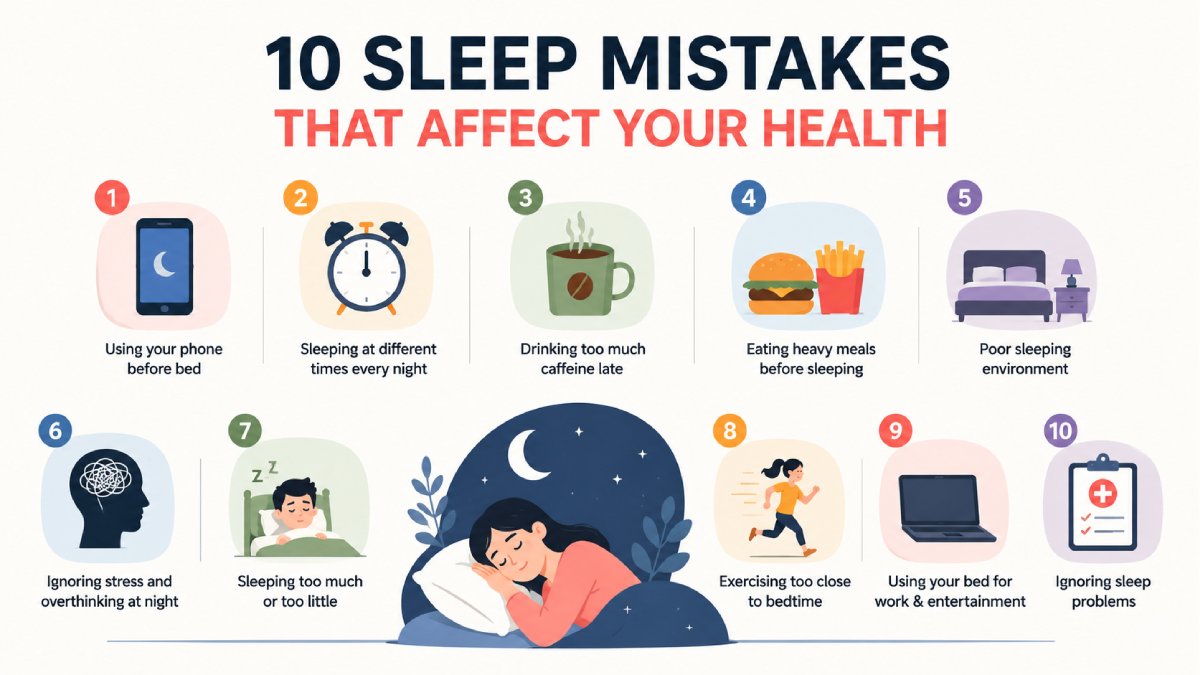
A big misconception is that those who sleep eight hours in the night have a natural feeling of freshness when they wake up. But lots of people still feel tired, sluggish, and tired in the morning no matter how much sleep they’ve had the night before. This is because sleep quality is just as important as your duration.
Poor Sleep Quality
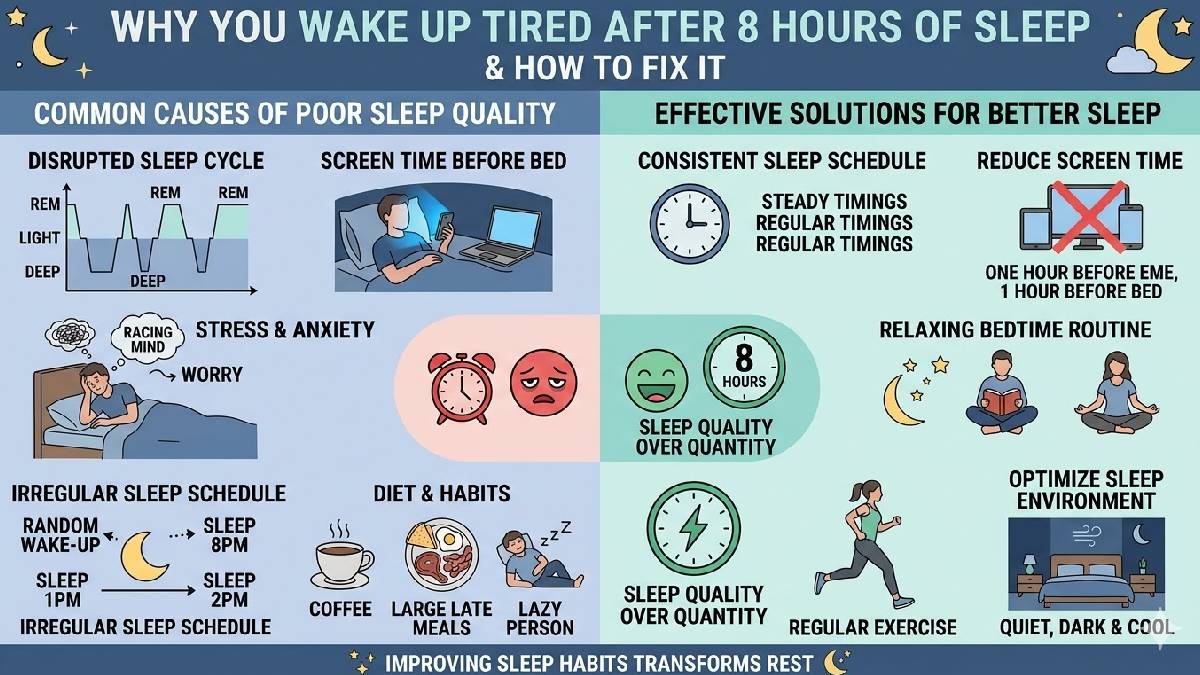
The major reason why is poor sleep quality. During the night, your body passes through different stages of sleep, such as light sleep, deep sleep, or REM. Deep sleep is the first step in restorative healing because it aids rebuilding the muscles, restores energy and helps to fortify the immune system. If too much noise alters how you get to sleep, if you feel uncomfortable or wake up a lot during the night, your body may not have enough deep sleep, and you'll be tired the next day.
Screen Time Before Bed
Excessive screen time before bedtime is another key factor. Smartphones, laptops and televisions emit blue light that interferes with the production of melatonin, the hormone that regulates sleep. When melatonin levels fall, it becomes difficult for your body to settle down for a meaningful, restful sleep.
Stress and Anxiety
Moreover, stress and anxiety may result in the lack of the right amount of rest. Even going to sleep, if the mind is constantly racing with work, responsibilities or worries, it can make your body stay tense. It means lighter sleep and waking up feeling tired.
Irregular Sleep Schedule
Another frequent reason for this is an irregular sleep schedule. Going to sleep late on some nights and waking up early on others throws off your body’s internal clock, also known as the circadian rhythm. This process can disrupt your body’s ability to make time for refreshing sleep; otherwise, it can throw you off.

Eating and Daily Habits
Eating and daily habits can also impact sleep quality. When the quality of sleep is impacted by a person’s presence of energy in a state such as by drinking caffeine in the evening, having large meals late at night, or not getting adequate physical activity that day the quality of sleep suffers.
Possible Health Conditions
Tiredness following sleep can also suggest underlying conditions like sleep apnea, anemia, vitamin disorders or thyroid disease.
How to Fix It
Thankfully there are a number of ways to enhance sleep quality and wake up revitalized. To stay on top of it with regular sleep schedules helps regulate your body clock. One hour of reduced time spent on the screen at least before bedtime could help restore natural levels of melatonin. Establishing a calm bedtime routine like spending an hour alone, reading and meditating or taking a hot shower with your sleep body, tell you it is time to rest is a safe and soothing time as they say. Exercise during the day could also help your body do a better job at sleep; staying away from caffeine and heavy meals helps the body relax at night. Keeping your room quiet, dark and cool also promotes more sound sleep.
When to Seek Help
If you've found a way to make these simple changes and still wake up tired even after these changes, it might be good to speak to a healthcare professional to look it over, to see what might be behind you.
Making more sleep habits and improving their quality by spending quality hours a night with a bed of more sound sleep and a good quality of sleep transforms the night into a restorative night spent just rest.