The digital revolution has changed how people work, communicate, learn and connect with one another. It has also influenced how we contribute to society. Helping people these days is no longer dependent on geography or physical presence. Through digital volunteerism, people can use technology to support meaningful causes from anywhere in the world, making social service more inclusive, flexible, and impactful than ever before.
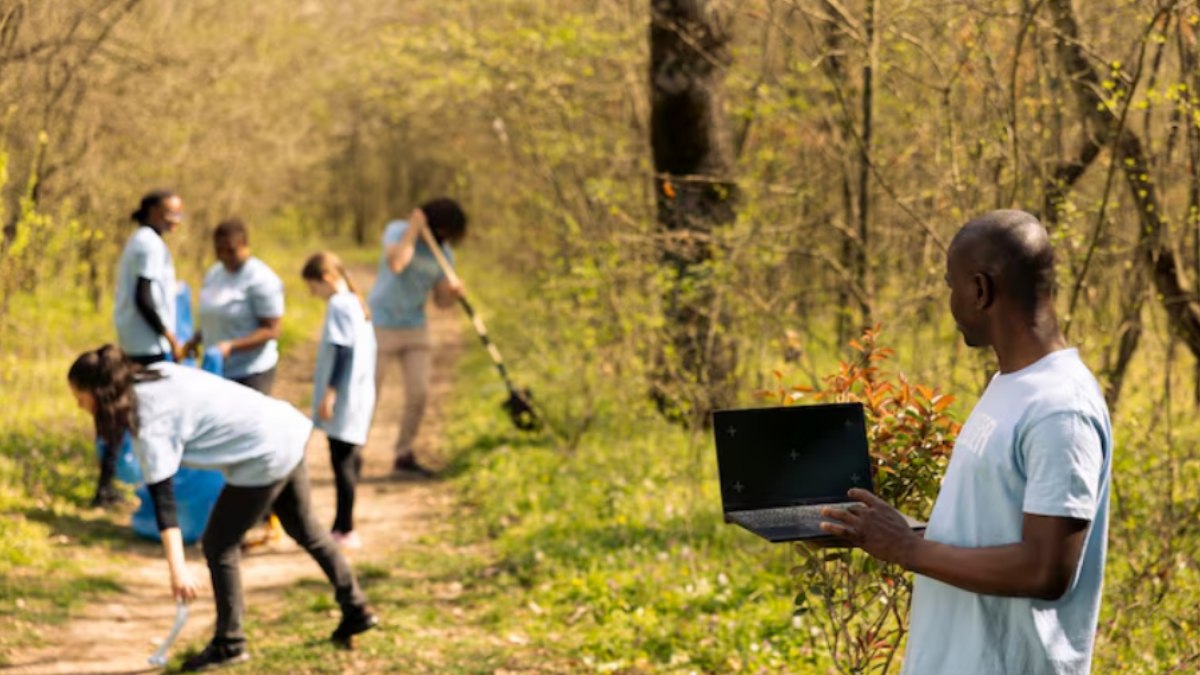
Digital volunteerism is the service of volunteering time, skills, or expertise online in order to help nonprofits, educational institutions, health care programs, environmental projects, humanitarian work and so on. And digital volunteers are doing good things with only a laptop and internet connection.
Digital volunteerism has many advantages; it removes barriers that interfere with traditional volunteerism. Workaholic professionals, students, retirees, people with disabilities and those living in remote locations can all work on a project that is convenient for all and can also fit into their lives. Most people don’t have to travel to volunteer sites, we can do so and get work done from home.
The growing popularity of remote work has also encouraged more people to engage in online volunteering. Digital skills are so common these days that graphic design, software development, content writing, digital marketing, data analysis, video editing, project management, etc. Nonprofit organizations need these skills to boost their community outreach, manage operations and reach more people.
Education is one of the most important areas where digital volunteerism is doing the best. Volunteers teach languages, math, coding, science, and communication skills in virtual classrooms. Teachers mentor students with competitive exams, support career preparation and offer emotional support online. And this has opened up a window for children in underserved communities for whom quality guidance is limited.
Digital volunteering has also developed in disaster response as well. In natural disasters, volunteers work with emergency agencies to verify information, map affected regions, translate emergency messages and coordinate relief efforts through social media. Digital mapping communities have been instrumental for relief efforts because they provide accurate geographical information to rescue teams.
Health care organizations are also finding innovative ways to engage online volunteers. Volunteers participate in health awareness efforts, develop educational materials, help to run virtual health seminars, and help with mental health support programs through supervised training. Professional medical care is the responsibility of professionals and it is not the responsibility of digital volunteers to tell the truth about the disease and to raise public awareness.
Environmental conservation is another rapidly growing area. Digital volunteers contribute to the conservation of wildlife through online databases, citizen science projects, satellite image analysis, recycling campaigns and education for communities on climate change and sustainable living. Technology has allowed environmental organizations to engage volunteers from around the world in global conservation work.
Artificial intelligence and sophisticated digital tools are expected to further transform volunteerism in the next decade. AI-powered language translation can support volunteers to communicate with languages that are not spoken fluently and machine learning may be used to help organizations match volunteers with projects based on their skills and interests. Cloud-based collaboration platforms, virtual meeting software and project management software have already made international volunteering more efficient than ever before.
Corporations are also committing to digital volunteerism through Corporate Social Responsibility (CSR) initiatives. You’ve seen companies now ask employees to spend a few hours each month mentoring students, working with nonprofits, conducting online workshops or helping in community projects through their professional knowledge. These initiatives not only benefit society but also enhance employee engagement, teamwork and leadership development.
Digital volunteering offers many benefits but there are also challenges. In many areas of the world, reliable internet access is a challenge which limits participation, and this is why a lot of communities take long to get started. Data privacy, security and ethical aspects are important to organizations in digital platforms and having a good digital volunteer culture for effective online volunteer programs is very important. Good training, formalized communication and regular feedback are crucial for good digital volunteer programs to be effective.
Governments and educational institutions are recognizing the importance of digital volunteering. Many schools and universities now ask students to participate in virtual community service as part of skills development and civic engagement programs. Such experiences develop communication skills, leadership skills, problem-solving skills and digital literacy skills and are of high value to society.
Digital volunteerism is going to be an important part of global social development in the future. There will be millions more people to volunteer for meaningful causes in the future as the internet becomes more accessible and digital technologies are accessible online.
Digital volunteerism shows that social change can no longer be a matter of being physically present. Every online tutoring session, awareness campaign, website developed for a nonprofit, or piece of translated information can make a lasting difference. In an ever more connected world, technology has provided an opportunity to all people to volunteer and, therefore, to build kinder and more resilient communities, one digital contribution at a time.