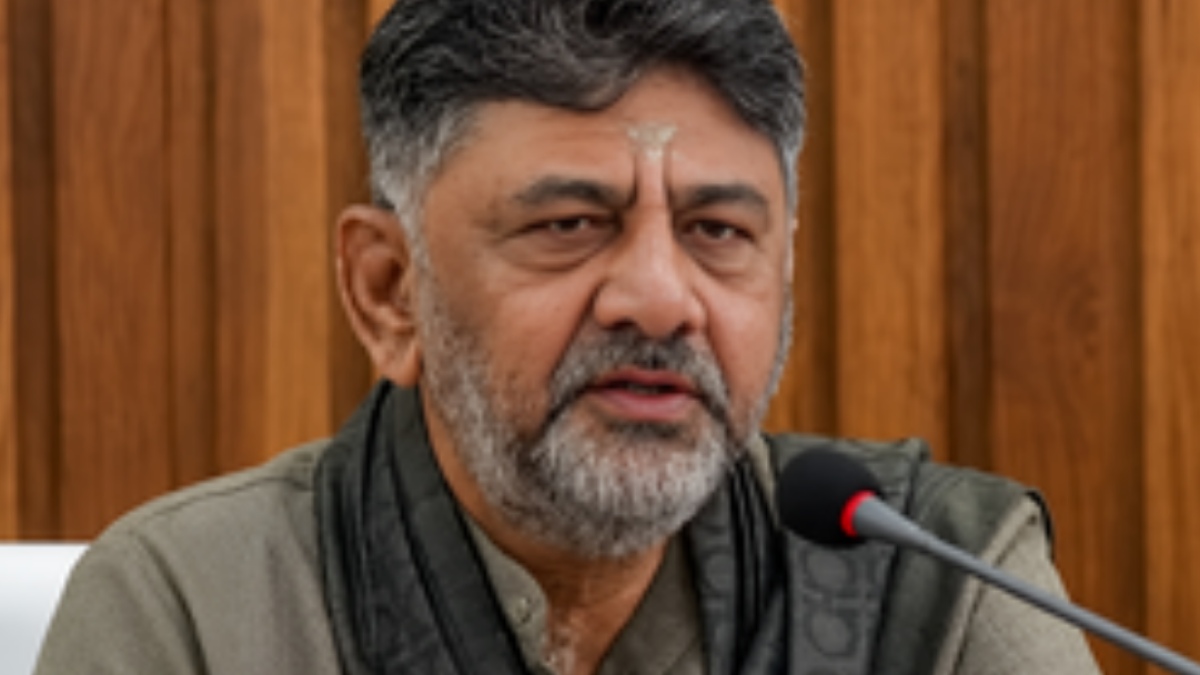
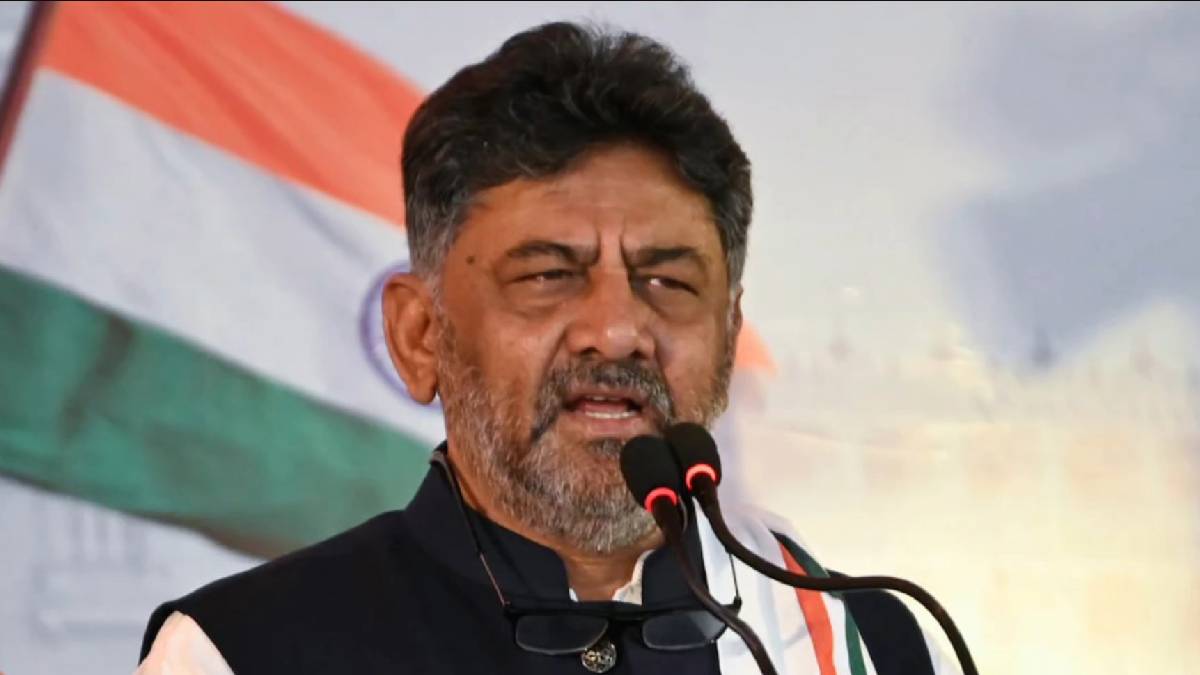
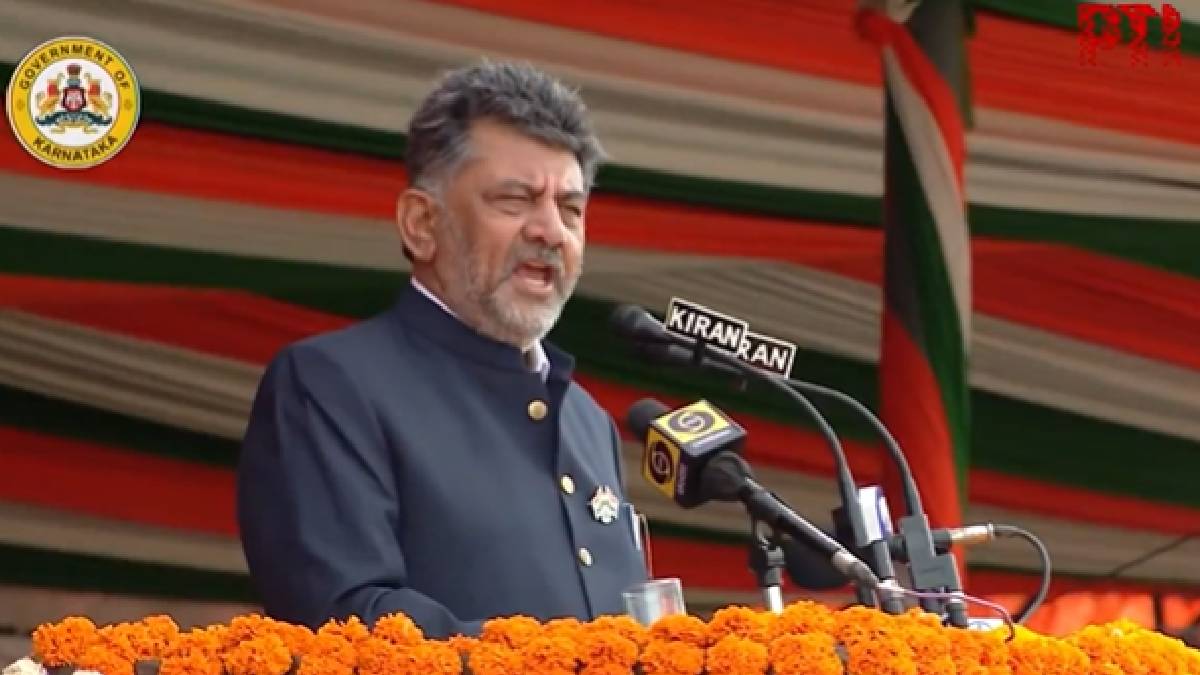
Karnataka Deputy Chief Minister DK Shivakumar announced that the state government is going to provide 50 per cent more basic pay to officers who deal with high-risk emergency situations.

The proposed financial incentive is also to recognise the demanding responsibilities of government personnel working in the face of the dangers to their safety and well-being and hence they are involved in such difficult conditions that the state government will offer them an incentive from the government that will help to motivate them to do the right things.
The announcement will be noticed by government workers and officers involved in disaster management, emergency response and other high-risk responsibilities. In such situations, people in those roles have to respond rapidly if there are immediate threats to the lives of people and infrastructure and public safety. And so the extra pay is incentive as well as recognition of the specialised job they are doing.
Shivakumar said in response to the proposal that officers who are dealing with high-risk emergency situations should receive financial support in addition to what they work for because of the nature of their work. Emergency response personnel should be deployed in disasters, major accidents, fires, floods, structural emergencies, and other situations where quick decisions and coordinated action are essential.
The 50 per cent increase is described as an additional component linked to basic pay instead of a general salary rise for all government employees. The categories of officers who would qualify, the conditions for eligibility and the implementation mechanism would need to be determined by the state government through the appropriate administrative process.
The proposal comes at a time when governments are increasingly focusing on strengthening emergency-response systems and improving preparedness for disasters. Karnataka, like many other states, has faced different types of emergencies over the years, including flooding, landslides, urban accidents and infrastructure-related incidents. And better response usually requires officers and personnel to work in difficult situations that sometimes are dangerous.
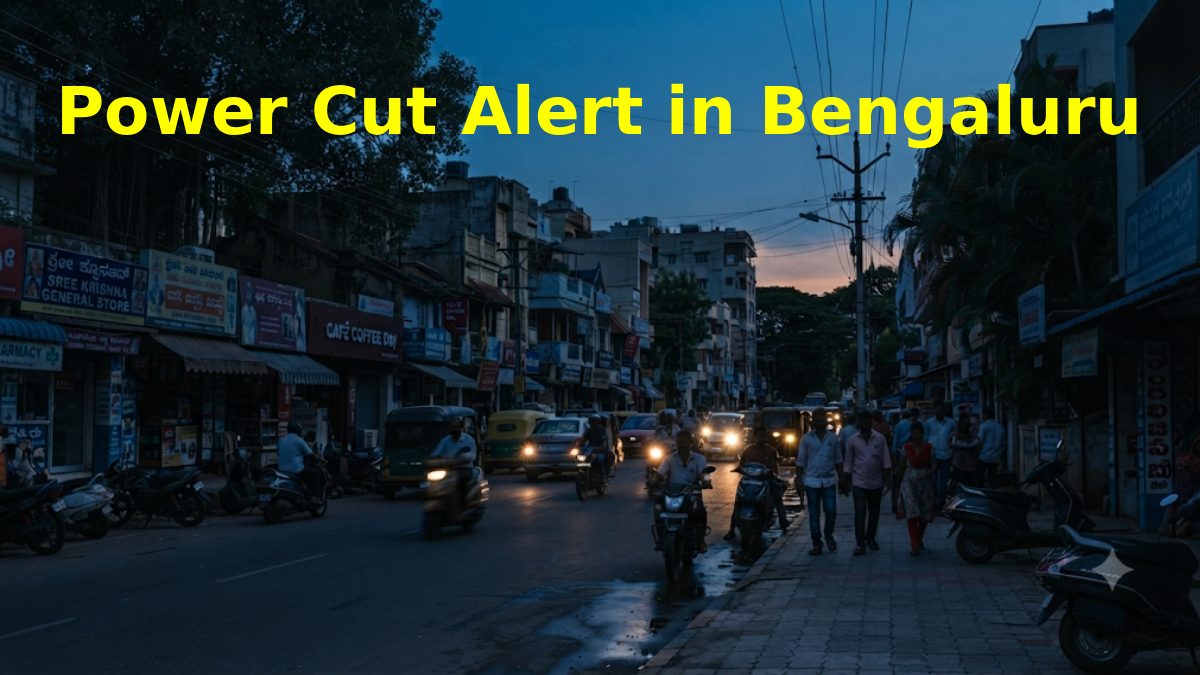
Bengaluru in particular has particularly challenging challenges because of the rapidly growing urban environment in Bengaluru as it is a fast growing city. Heavy rainfall, waterlogging, flooding and infrastructure issues have been encountered due to heavy rainfall and the city has had to cope with heavy rainfall and waterlogging. Emergency teams and government officials may be required to work for extended periods of time to coordinate rescue and recovery during severe weather events.
A financial incentive for officers with high-risk duties might also help to improve morale among the personnel who are doing it. Emergency work can involve irregular hours, difficult working conditions and physical risks. Recognising these challenges through an extra allowance or pay component could be a signal that the government acknowledges the work of those who do work in extreme circumstances.
But the effectiveness of the proposal will depend on how the government identifies high-risk emergencies. Many departments and agencies are involved in emergency management, including police, fire and emergency services, health departments, disaster-management authorities, municipal bodies and other specialised agencies. There would need to be clear eligibility criteria in order to get the benefit to those people with a real job with high risk.
The proposed measure could also promote great interest in specialised emergency response jobs. Officers with relevant training and experience may feel more motivated to take on high-risk roles with financial and professional rewards. Such incentives can be part of a broader strategy to build a better emergency-management workforce.
Emergency response doesn’t require a single individual to be brave. It is coordination of different departments, communication systems, equipment, training and quick decisions. Government officers will need to coordinate evacuation efforts, arrange medical help, drive traffic, protect public infrastructure and communicate with affected people. Emergency workers must take on an even greater responsibility if the disaster affects an entire area or goes on for many hours or days.
The proposed additional pay may therefore be seen as part of a larger effort to enhance Karnataka’s emergency response capabilities. Financial recognition can’t resolve all the challenges emergency workers encounter; instead, it can enhance training, equipment, technology and working conditions.
For government employees, salary-related announcements are closely watched, because changes in basic pay can have implications that go beyond monthly pay based on benefits and allowances determined under current service rules. The government would need to explain if the 50 per cent extra income would be classified as a specific allowance or incorporated into another form of compensation.
I find that we are seeing the increasing demand for specialist government services for urban and environmental risk management. Climate-related events, extreme rainfall and rapid urbanisation can bring new challenges for public authorities. When normal systems go wrong, cities need trained people to respond quickly.
Emergency preparedness in Bengaluru is becoming more important in a city growing at an alarming rate. Heavy rainfall can put pressure on drainage systems, roads and low-lying areas and construction and traffic can slow down emergency response. Government agencies need to work together to minimize disruption and protect residents.
Apart from Bengaluru, Karnataka’s diverse geography may allow emergency officials to deal with different risk types at different places in the state. Hilly areas can experience landslides and heavy rainfall, while other areas may be flooded, drought-related emergencies or industrial disasters. A state-wide framework for recognising high-risk assignments would therefore be applicable to a wide range of situations.
The government's proposal could also stimulate discussion on occupational safety for emergency personnel. And although payment for safety is always financial risk, departments need to provide workers with the appropriate protective equipment, training, insurance coverage, medical support and modern emergency-response tools to protect them. These are necessary for reducing risks in order for officers to carry out their work.
DK Shivakumar's announcement therefore has put the spotlight on the role of government officers in emergency services on the front line. Their work may not be very visible once a crisis has come to an end, but their decisions and actions have a huge impact on rescue efforts and public safety.
As the proposal is made through the administrative process, government workers and departments will be watching for details about eligibility and implementation. The state government will also have to clarify which officers and assignments will be classified as high-risk and how the additional 50 per cent basic-pay benefit will be calculated.
If implemented fairly, the proposal could become a significant recognition mechanism for those who do a lot of dangerous emergency work; it could also be incorporated in Karnataka’s overall strategies for disaster preparedness and response.
VIDEO | Bengaluru: "Karnataka to provide 50% extra basic pay to officers handling high-risk emergencies", says CM DK Shivakumar pic.twitter.com/4z7NJZ3Ofo
— Press Trust of India (@PTI_News) August 28, 2026
The announcement reflects the work of emergency government service. Emergency government officers dealing with serious incidents have to act under high stress, make quick decisions and operate in unpredictable circumstances, so more financial recognition might help to recognize those responsibilities and strengthen the state's ability to attract and retain personnel that are capable of performing high-risk roles.
The next step for Karnataka will be to translate the announcement into a particular policy. Details of eligibility of departments, types of emergencies, assignments, and payment procedures for the proposal will determine how the proposal will work. Without these details being finalized, the 50 per cent additional basic pay announcement can still be a significant indication of the state’s intent to recognise officers who put themselves at greater risk while keeping the public safe.