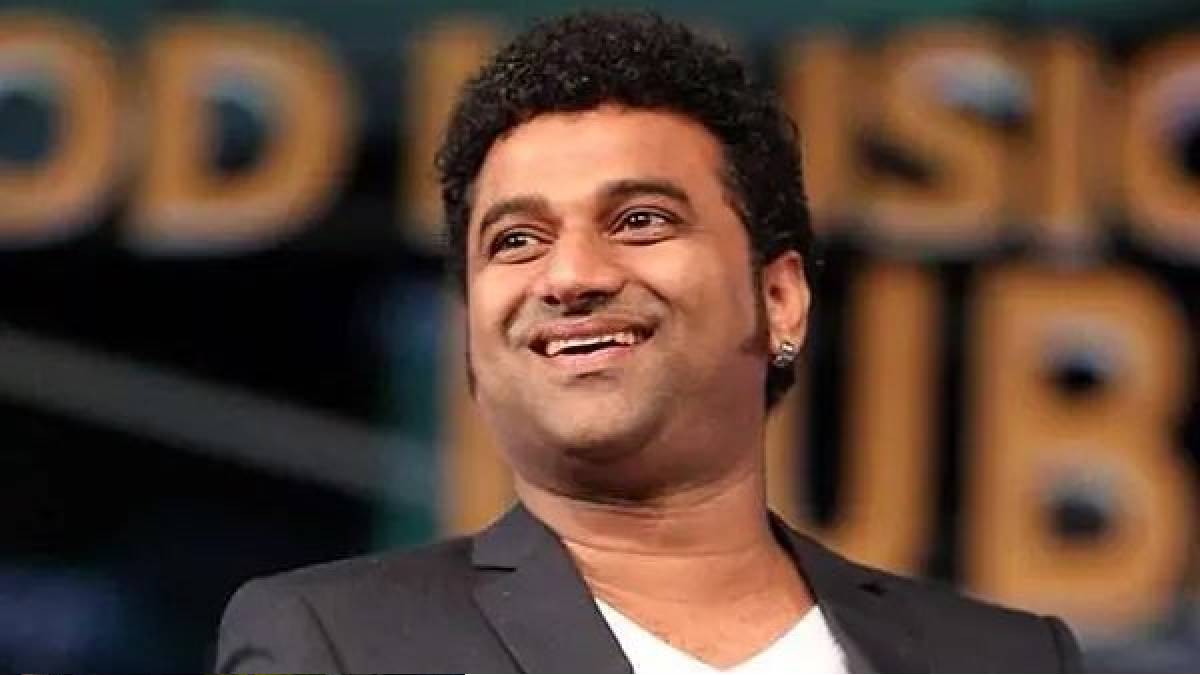
Devi Sri Prasad, or DSP, is one of the most popular music directors of Telugu cinema. He has written numerous chart‑topping songs and is highly regarded for his electrifying performances and distinctive style. But his latest move has shocked others in the business. Following the success of Pushpa 2: The Rule, DSP has reportedly doubled his salary and is asking for ₹12 crore plus GST on future projects. As music rights sales are not covering his pay for Telugu producers, the hike came as a shock.
Before Pushpa 2, DSP cost a little over ₹6 crore per film. Though his talent and popularity are undeniable, the jump to ₹12 crore has put financial pressure on producers. While composer Anirudh Ravichander recoups his high costs through music rights sales, DSP’s projects often command producers shelling out extra out of their own pockets. This imbalance has put producers on high alert about signing him to new films, and some are looking for other options.
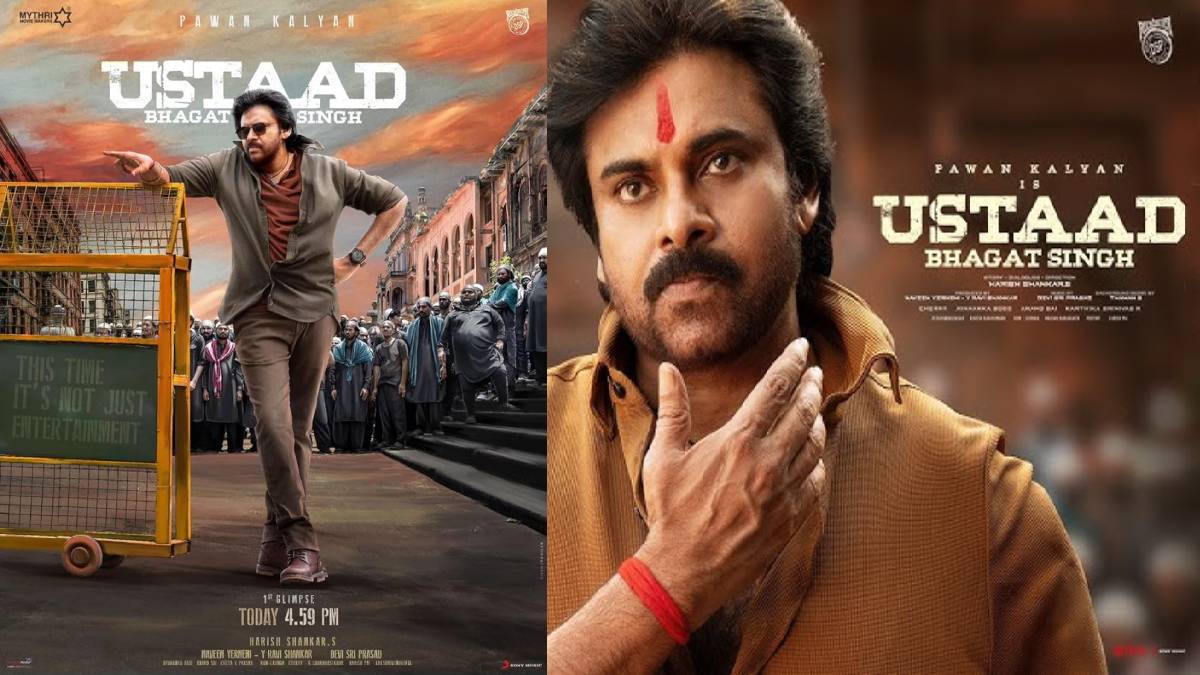
Skepticism notwithstanding, DSP remains a desired name to work on. He is currently working on Ustaad Bhagat Singh, starring Pawan Kalyan, as well as becoming a co‑star on Ram Charan’s next film, directed by Sukumar. DSP is also branching out into acting with the film Yellamma, as well in the form of another new venture into acting. The projects illustrate that although some new offerings might also have to be slowed by his fee rise, his established name is what keeps him in demand.
One way you might not have a choice but to worry about how his income will go on rising even more is as high as ever before. Producers say that there is too great an imbalance of a cost of music rights sales versus reward that it is worth it. Others see the commercial value of a brand and argue for a good balance between the brand value that DSP brings and the commercial value of an industry worth paying a premium to. This only underscores the increasingly difficult clash between spectacle and cash generation in Telugu cinema.
DSP’s hike in his fee to ₹12 crore plus GST has shaken the Telugu film industry. His ability, popularity and talent are undisputed but now producers are considering if investing in his music warrants it. His continued projects prove that he remains a huge player, but the slowness of new offers is proof that the industry is rethinking its finances. Whether this ambitious step will enhance DSP’s position or stifle his options is something that will emerge in the years ahead.