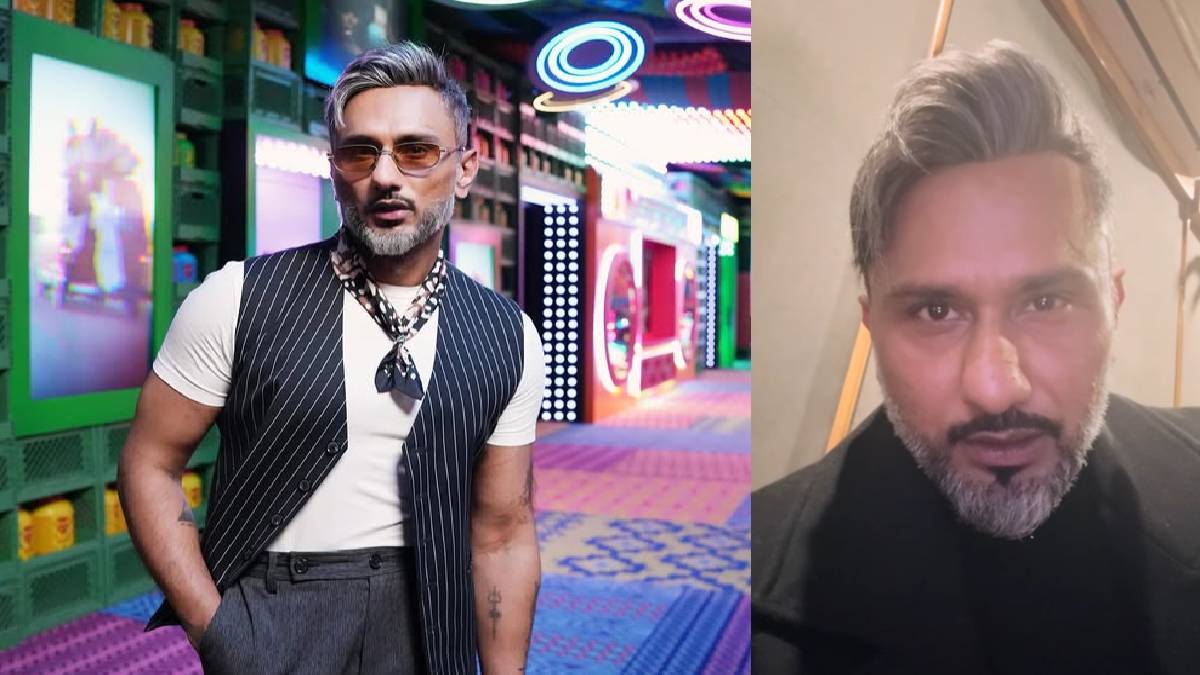
A fresh controversy shook up social media as rapper Santy Sharma said something derogatory about actress and influencer Khushi Mukherjee. His statement connected her daring fashion to heightened sexual crimes in India. This phrase has caused outrage, with some alleging him victim‑blaming and spreading regressive ideas. The conversation has since ballooned into a broader discussion on women’s liberation, influencer duty and society’s views of clothing.
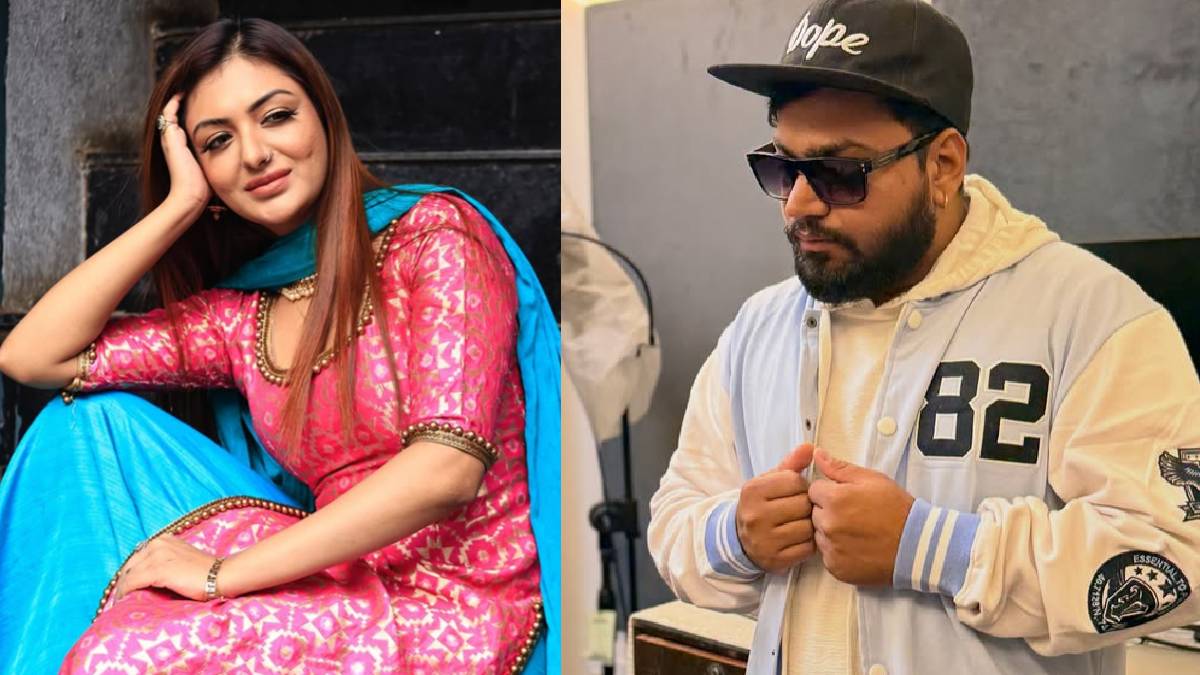
This week, Khushi Mukherjee, a figure known for high fashion and shows like Splitsvilla, was spotted in Mumbai in a revealing dress. A video of her adjusting to avoid flashing paparazzi went viral. Afterwards, Santy Sharma said on the internet “girls like her are the reason why rape cases are rising in India.” He also cautioned against “spoiling the future generation.”
His statement was swiftly criticized. There are many people who feel that blaming women’s clothing for offending shifts blame from perpetrators and normalizes harmful stereotypes.
The backlash was swift. Sharma’s statement was condemned on social media as misogynistic and dangerous. Supporters of Khushi said that clothing does not make a crime, and that comments like this perpetuate a victim‑blaming culture. At the same time, some conservative voices of opinion lined up with Sharma, in the camp that some of the influencers should be more aware of what their follower base, especially younger ones, would be like. This division of opinion illustrates the continuing conflict between traditional values and a modern perspective on individualism; the duality of identity.
The controversy isn’t one style; it’s not one dress, nor is it one comment. It’s a symptom of a broader issue in society: That women’s freedom is frequently challenged and constricted. When fashion is connected to sexual violence, the harm is obfuscated criminal activity and a lack of accountability.

The incident also calls into question the accountability of influencers. Influencers, yes, fashion trends and attitudes. But blaming them for crimes inflicted on others is unjust and misleading. Instead this is good for the world: Education, respect and tougher prosecution against perpetrators are needed.
The Khushi Mukherjee–Santy Sharma matter illustrates how fast a personal choice can devolve into a community discussion in the digital age. It reminds us that fashion is a medium of self‑expression, not a crime engine. Sharma’s comments met with a similarly strong backlash, which suggests that an increasing number of individuals are rejecting victims‑blaming narratives and insisting on dignity, respect and accountability in public conversation.