The Indian stand-up comedy scene is changing and this has created strain between the older comedians and younger ones. Sunil Pal, a veteran known for clean and family-friendly humor, has often criticized contemporary comedians for vulgar or disrespectful behavior. On the other hand, Samay Raina is the new wave of comedy, where we have jokes that are very raw, personal struggles, and bold commentary are all part of the performance. Their clash has become a symbol of the generational divide in Indian comedy.
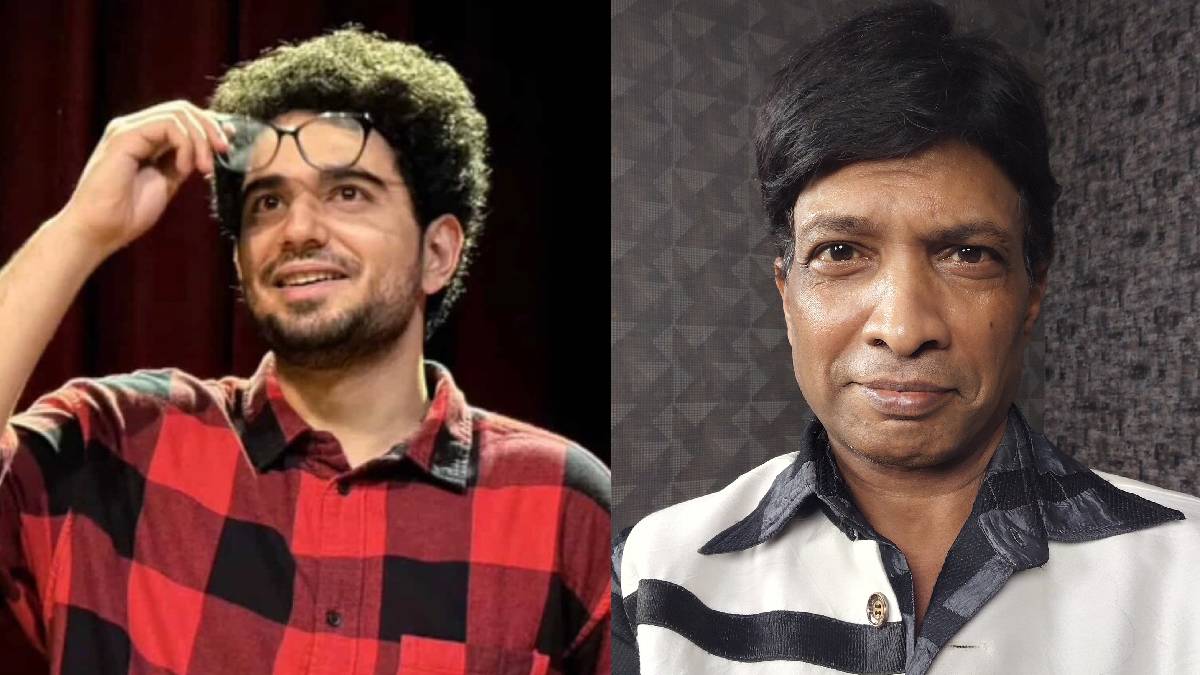
Sunil Pal believes comedy should not be sensitive and must be dignified. He has said that shows like India’s Got Latent went over the line, and so was the humor. His views represent the traditional style of Indian comedy: mimicry, light jokes, and entertainment for all ages. Comedy is about respect and responsibility for Pal.
Samay Raina, however, sees comedy as a space for honesty and experimentation. His stand-up special Still Alive has Sunil Pal as part of the criticism he faced when he was on the receiving end of criticism during India’s Got Latent. Raina joked about being in the “crossfire” of criticism from Pal and other senior figures. He made jokes about how older comedians tend to miss the way younger performers, like him, often take the style of younger performers for granted. For Raina, comedy needs to be a social movement, not just a way of life in which people are still a thing.
This clash goes beyond two people. It’s also the larger debate in Indian comedy. Old-school comedians like Sunil Pal are very concerned with clean jokes and family audiences, while new-school comedians like Samay Raina experiment with edgy topics and social commentary. The audience is also divided, with Pal being for keeping comedy safe and Raina for real life.
The debate matters because comedy is more than just entertainment. It is a commentary on society and the values of society and the trials and tribulations of society. The conversation between Pal and Raina is a sign of how India is trying to find a way between tradition and modernity. Respect for old artists is important, but so too is space for new voices. Raina did this right in his special and by talking about Pal in his special he showed us all that at least some younger comedians are open to defending their style and firm in responding to criticism from the older generation.
So what was our difference between Sunil Pal and Samay Raina is that comedy is always changing. What one generation finds offensive, another might see as telling the truth. This is a debate about balance, which is to draw on Indian comedy’s roots and to give room for new performers to push the envelope. And so both voices are indicative of India’s diversity and depth of humor.