Awadh Ojha, former leader of the Aam Aadmi Party and well-known UPSC teacher, has outraged people in India by predicting the coming civil war & revolt. He predicted people will soon collapse banking, the use of gas cylinders will be no more after war and there will soon be shortages of food and there will be millions of people who won’t eat anymore. He also said soldiers would unite with the people of India, causing unrest in the country. He also said he had made arrangements with friends in China and business contacts to escape the unrest.
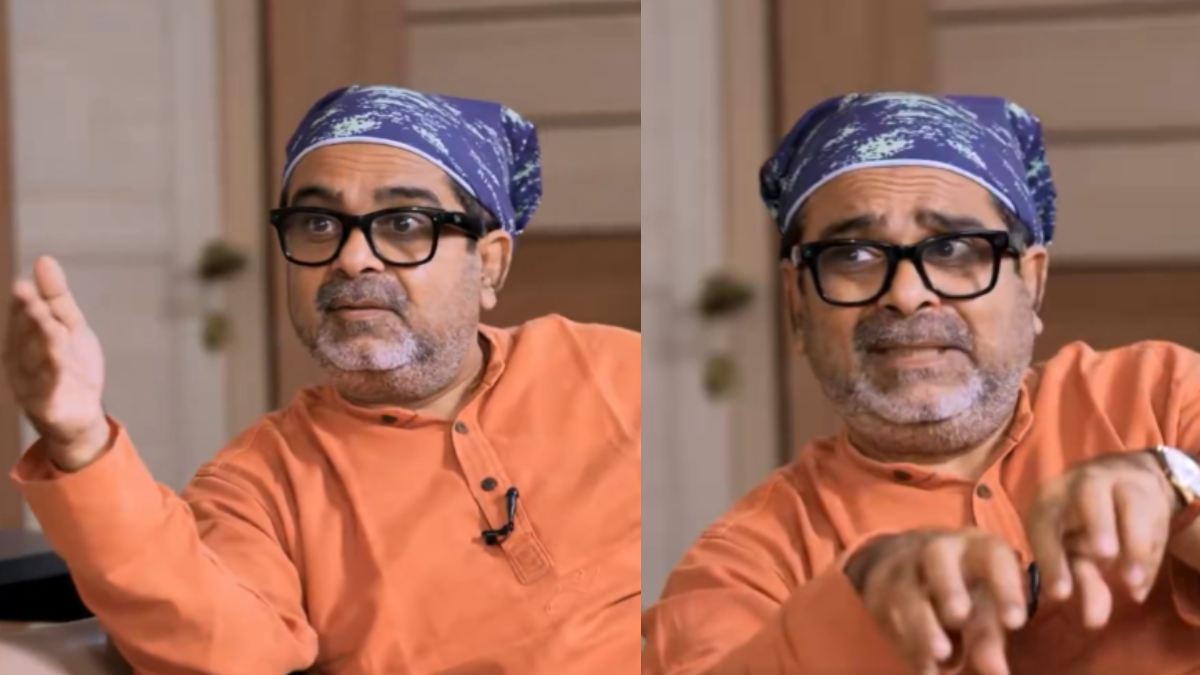
Ojha’s statements were posted in public and quickly spread across social media. He painted a grim picture of India’s future: economic ruin and war would spur popular discontent. And there will be both civilians and soldiers who will join in joining up with the people against the system, he said.
He also added he was well prepared for that scenario by coming up with connections in China to escape, should the situation in India break out and escalate. His statements caused alarm among those listening to the teacher who has led thousands of UPSC aspirants.
The comments have been widely condemned. Opinion on social media accused Ojha of fear‑mongering and of instilling panic. Many wanted the local government to act as they were forced in any case on a national level to put pressure on him; against him, he could face a charge of sedition, probably in advance of his arrest. He is accused of being irresponsible because public figures will know more about it as he has influence over young students in the system.
Accountability advocates argue that his comments undermine national security and public morale. Ojha's prediction of civil war and open statement of his intention to leave the country have been accused of acting foolishly.

This controversy represents growing concern for the way influential voices use platforms. Freedom of speech is a democratic virtue and is based on the belief that spreading hyperactive fears of revolution and bloodshed will undermine a society. Public officials (even just teachers) should motivate confidence and humility, to move people forward and not panic or fear.
If that is the case, how does social media help with the amplification of such information that we saw as it turned out was happening? And once shared online, such views quickly fuel misinformation and insurrection.
In many ways it is clear, both that Awadh Ojha's predictions for civil war and his move to China have been seen to have caused much anger among supporters throughout India, and reactions ranging from condemnation to the prospect of legal action were swift to demands of his speech. It also is an obvious reminder that words matter and the power that people have over things should be used to create and preserve society rather than undermine it.