
According to Delhi Police, it is not surprising to note that Delhi police refused permission from the Cockroach Janta Party (CJP) to protest at Jantar Mantar (New Delhi) on October 10 as we have been told that the CJP has not been given time to prepare a protest at Jantar Mantar to protest and that the police have been following up on the issue in advance and that they have said that they are holding up their protest in the presence of police.
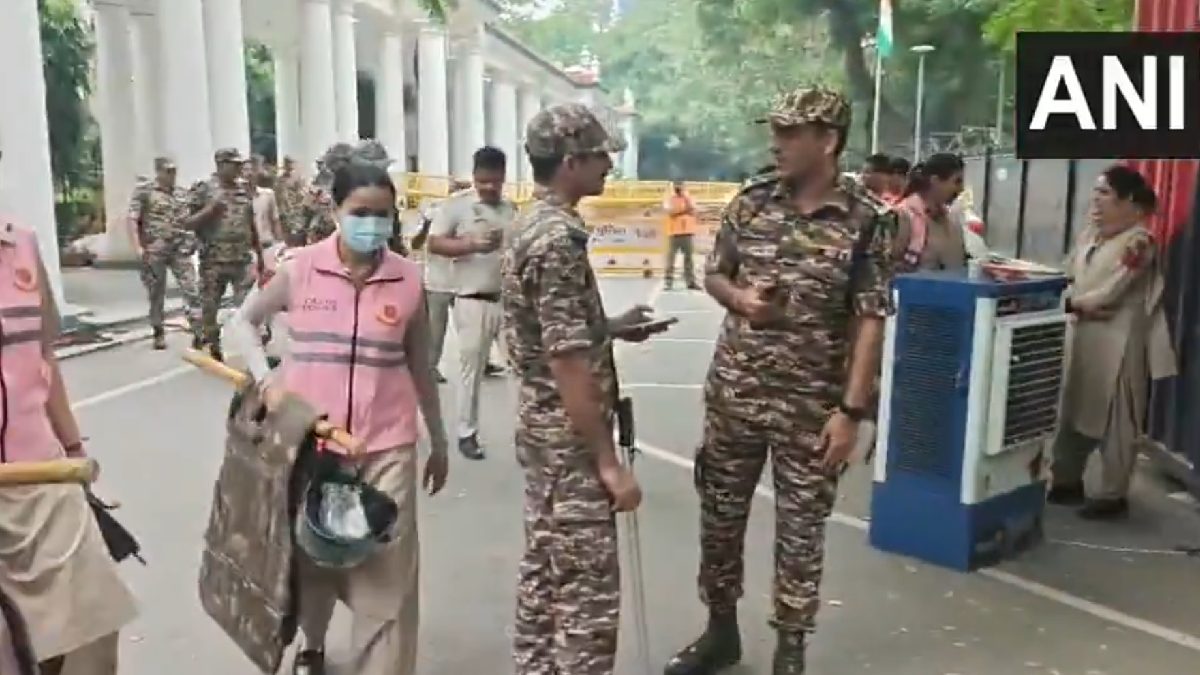
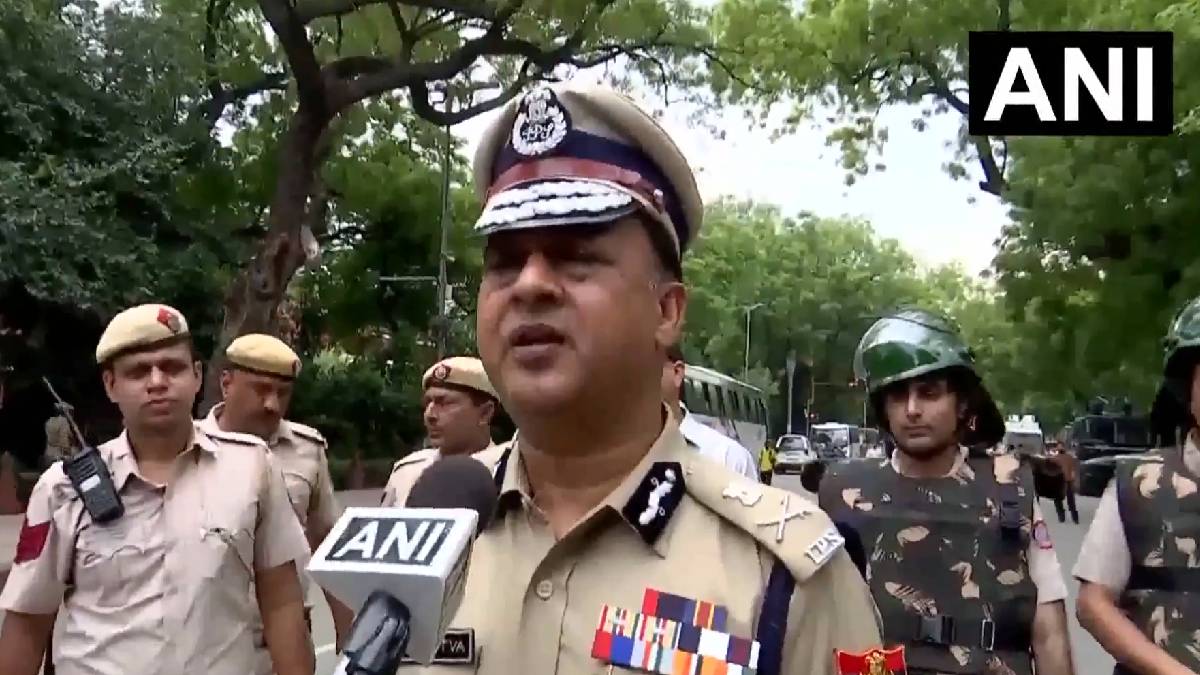
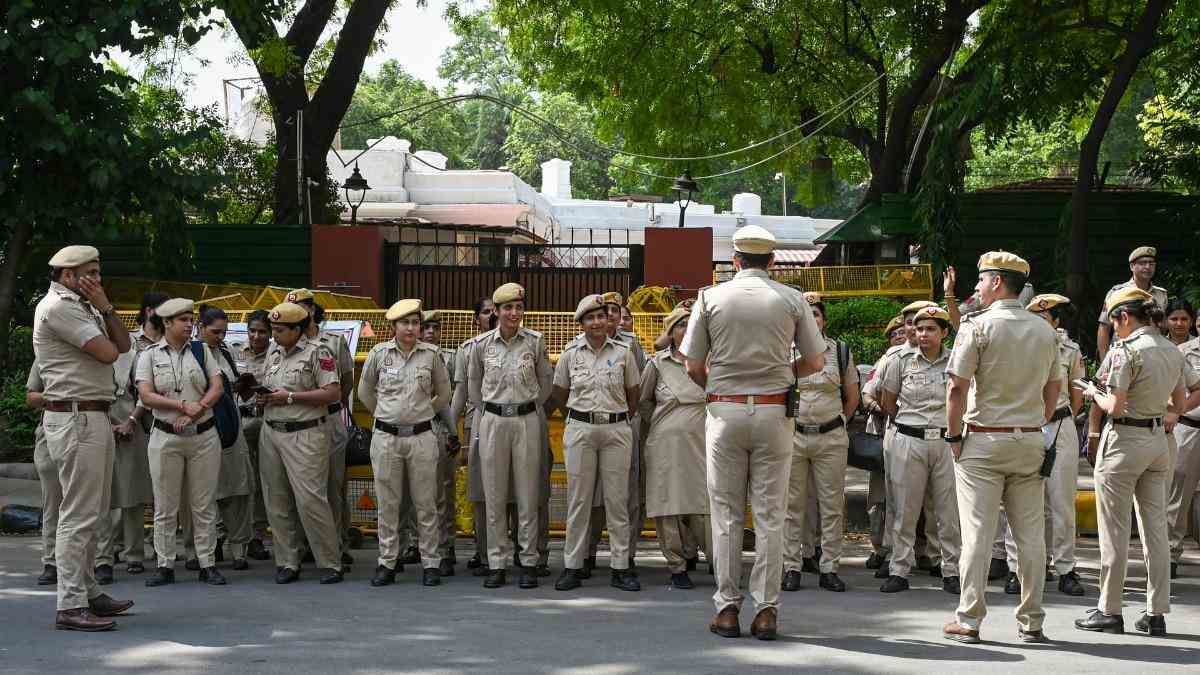
Delhi Police said in a post on X on Friday, October 9 that the right to protest must be protected, but public safety and the smooth functioning of the city also needed to be considered. New Delhi houses important government establishments and offices of constitutional bodies, so we need to control demonstrations and control large gatherings carefully.
People have a right to protest. At the same time, important establishments and the offices of the constitutional bodies are in New Delhi,” the police said in its statement. Residents, employees and commuters should be able to carry out their daily activities safely, even when demonstrations take place in the city, it said.
Why Delhi Police Denied Permission To CJP
The police said they decided against the permission for the October 10 demonstration based on several reasons: the short notice of the proposed protest, violations in July protests, and safety of the participants and the public in general.
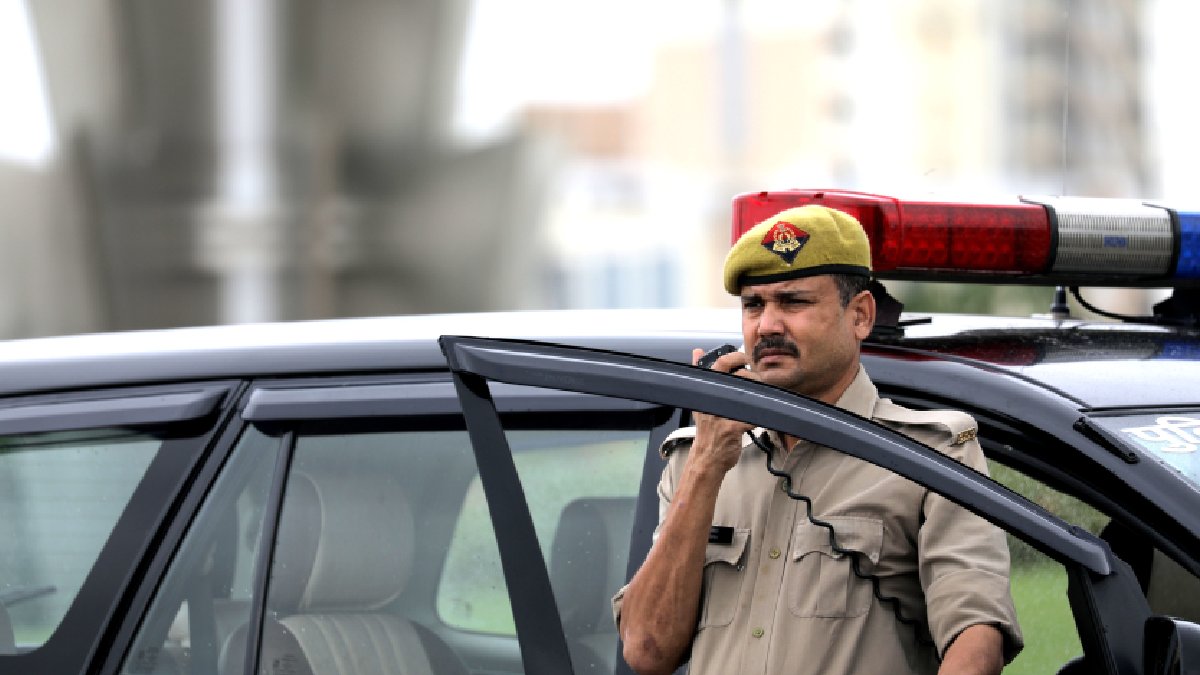
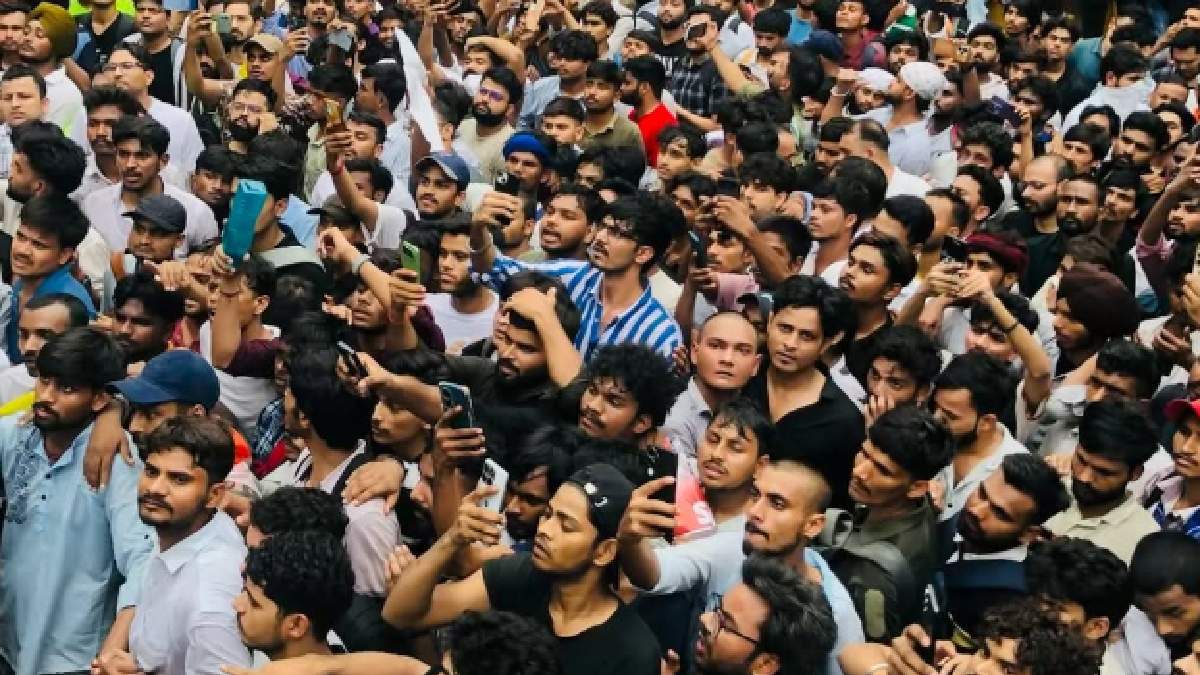
The police also acknowledged that crowds and traffic in a busy part of the capital can also be difficult to manage. Large crowds can affect the movement of vehicles, block roads, disrupt access to high-traffic roads and require extra security measures. The police said restrictions were in place to prevent overcrowding and for protesters, security staff and the public would be kept safe.
The reference to violations in previous demonstrations was another reason for the police’s explanation. As such, authorities must consider past incidents in the assessment of requests for public gatherings, especially in the context of compliance with conditions for protests. But at the same time, the police cited the allegations as part of its justification for denying permission.
The decision has placed the proposed CJP demonstration at the centre of a wider discussion on how public protests should be regulated in areas that contain important government offices and constitutional institutions.
The right to protest must be protected, but so must the right of a city to function safely. Responsible policing is about balancing both. #DPUpdates #PublicSafetyOurPriority https://t.co/Zfwc8xiCwy
— Delhi Police (@DelhiPolice) October 9, 2026
What is CJP protesting against?
The Cockroach Janta Party wanted to organise a demonstration to demand the resignation of Chief Election Commissioner Gyanesh Kumar. The party's demand is linked to alleged irregularities in the Special Intensive Revision (SIR) of electoral rolls.
SIR involves revising and checking electoral rolls. Such exercises are to ensure that voter lists are accurate and updated. But such an exercise is currently the subject of a political debate and accusations of its implementation.
CJP's proposed protest was to put its objections to the SIR process in the public domain and to press for accountability from the country's election administration. The party's demand for the Chief Election Commissioner's resignation is also consistent with the allegations of irregularities.
Politically, the allegations of electoral rolls revision remain an issue. The police's decision to deny permission for the demonstration is about the proposed gathering and its management and not about the CJP’s claims.
Right to Protest And Public Safety.
The Delhi Police’s statement highlights the difficulty of balancing the right to peaceful protest with the need to maintain public order. Demonstrations are an important means through which political parties, organisations and citizens express their views, raise grievances and demand action from public authorities.
In addition to that, authorities also need to take into account the practical implications of public gatherings (e.g. crowd management, traffic movement, security arrangements and access to essential services). These matters are particularly important in central Delhi where government offices and other important institutions are situated.
The police said the restrictions were to safeguard everyone involved, including demonstrators. For safe conditions for a protest to occur and for crowding to not be overcrowded or disrupted, planning is required, enough notice and arrangements to get them in place for the purpose of the event in advance, the police told reporters.
So the denial of permission to CJP has led to questions about how protest requests are assessed and how concerned authorities balance public expression with security and administrative requirements. It has been maintained that protecting the right to protest does not mean that the police can no longer protect the public and keep the capital safe.
What is next?
With the proposed October 10 protest at Jantar Mantar facing a permission hurdle, attention is on CJP's campaign against the alleged irregularities in the SIR process and its demand for Gyanesh Kumar's resignation.
The police’s explanation has clarified what made it reject the request, including the timing of the application, the previous demonstrations and the logistics of organising a gathering in New Delhi. How it will respond will depend on the party and whether they will pursue alternative arrangements.
This episode highlights the continuing divide between political mobilisation and public order in the capital. CJP is trying to promote its accusations about electoral rolls, Delhi Police has insisted that protests should be organised in such a manner that the safety of participants, commuters and the wider public are guaranteed.


Comments
Leave a Comment