
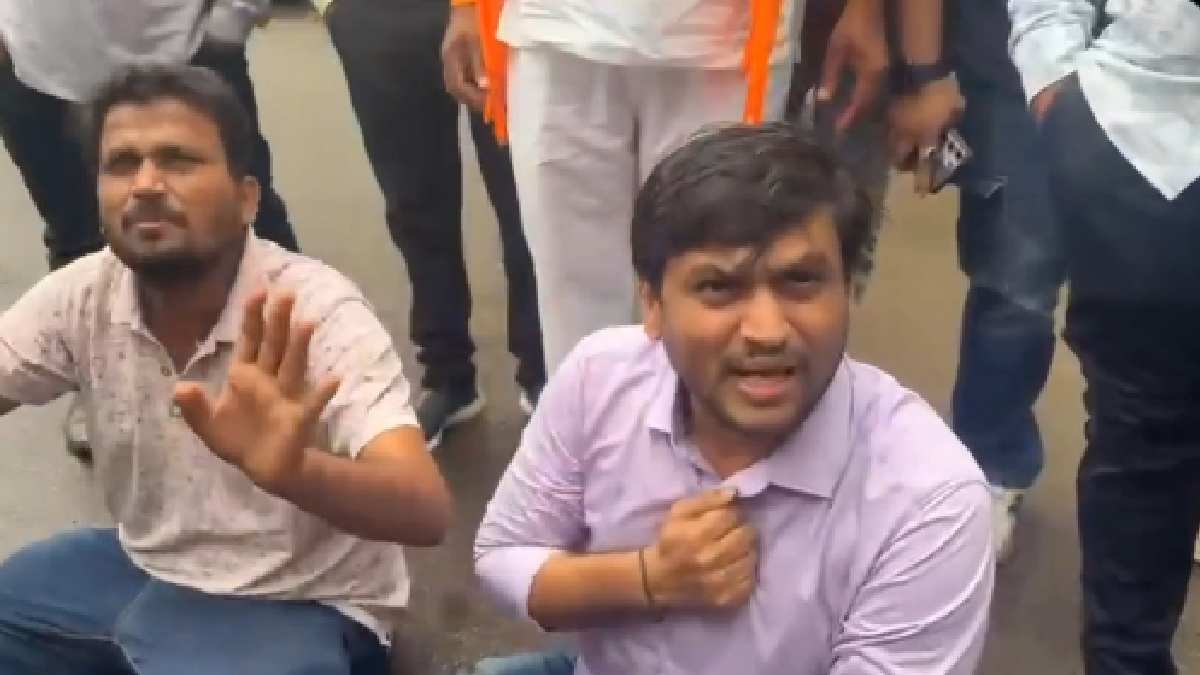
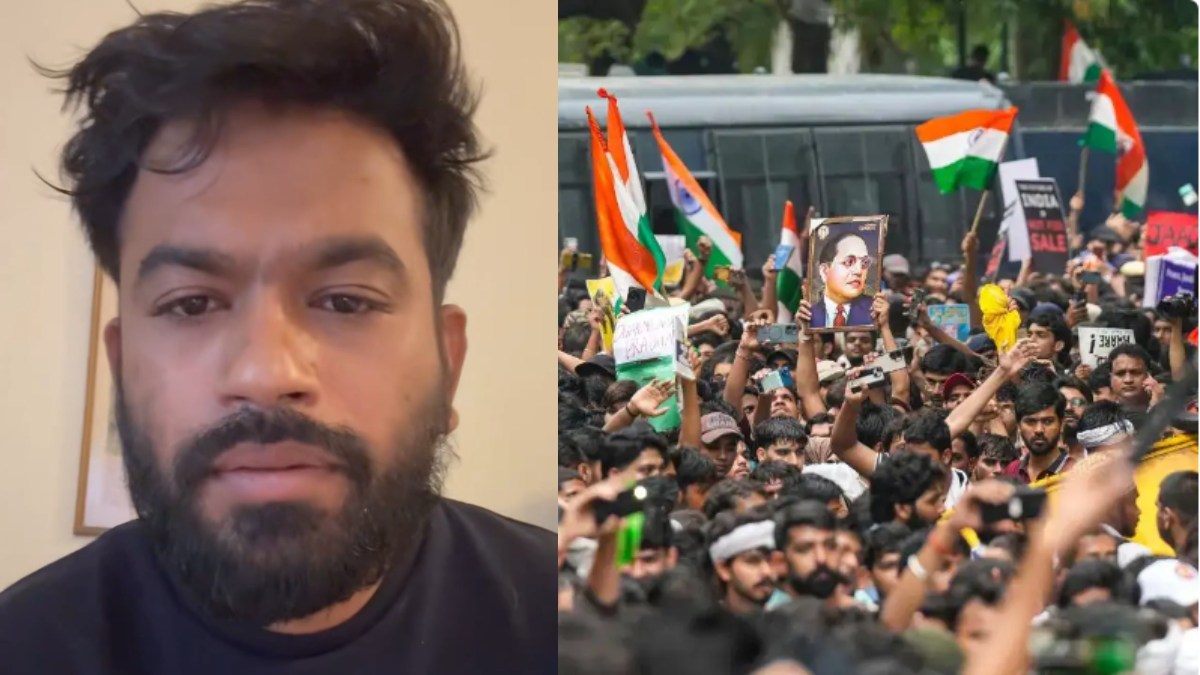
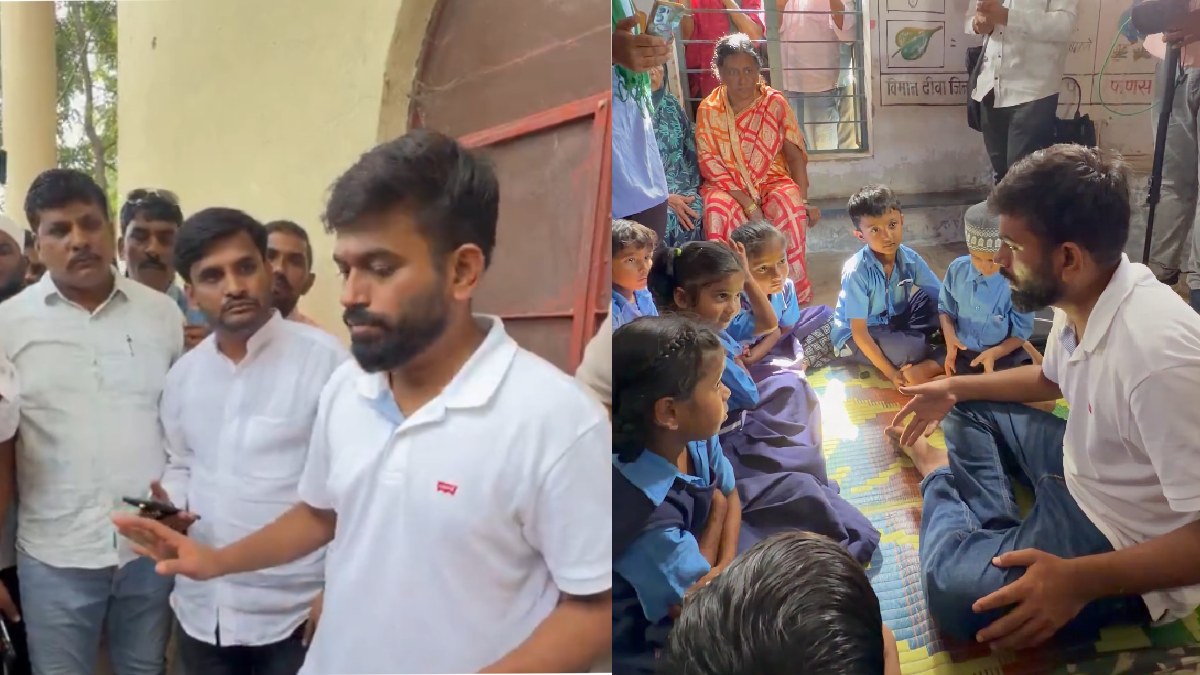
Cockroach Janta Party (CJP) founder Abhijeet Dipke has intensified his criticism of Modi’s government’s handling of protests and said national security resources should not be used to discourage peaceful dissent.
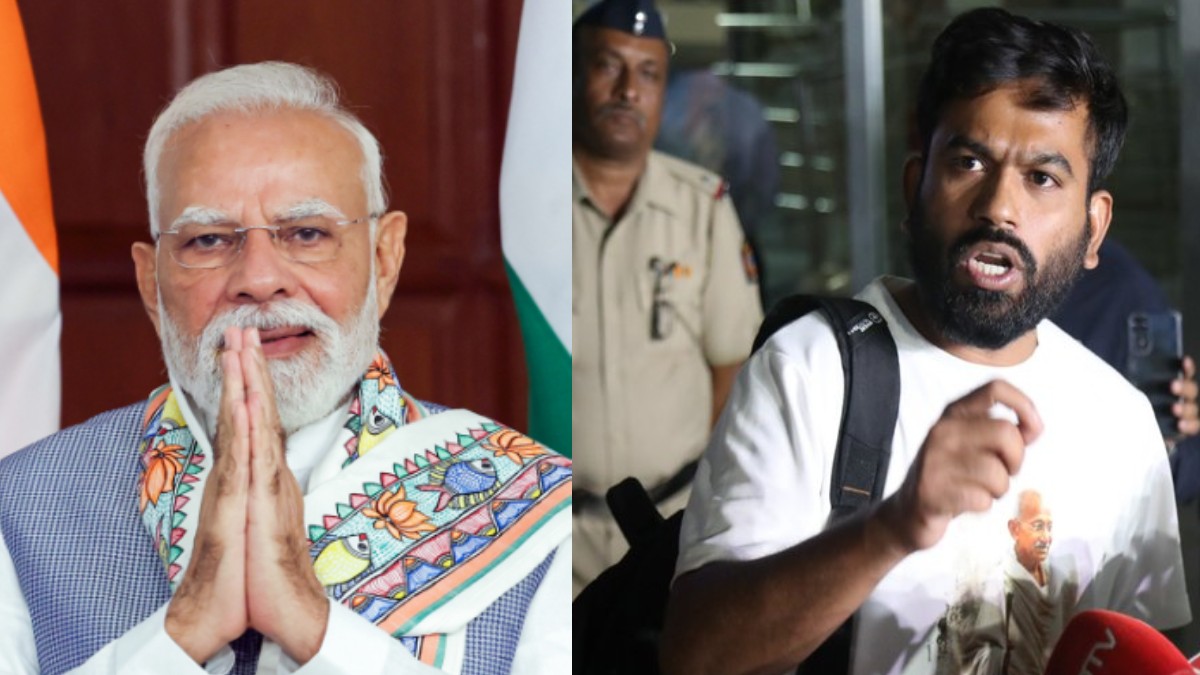
The comments come at a time of protests by CJP and its allies over alleged irregularities in the Special Intensive Revision (SIR) of electoral rolls and calls for Chief Election Commissioner Gyanesh Kumar to resign. Dipke has criticised the heavy security deployment and restrictions imposed around protests in New Delhi, saying those measures were intended to prevent people from joining the demonstrations.
Dipke was questioned by documents from October 2026 on security and control of movement ahead of a CJP protest at Jantar Mantar on October 10. He challenged the government on alleged disruption and restrictions in transport on protest sites.
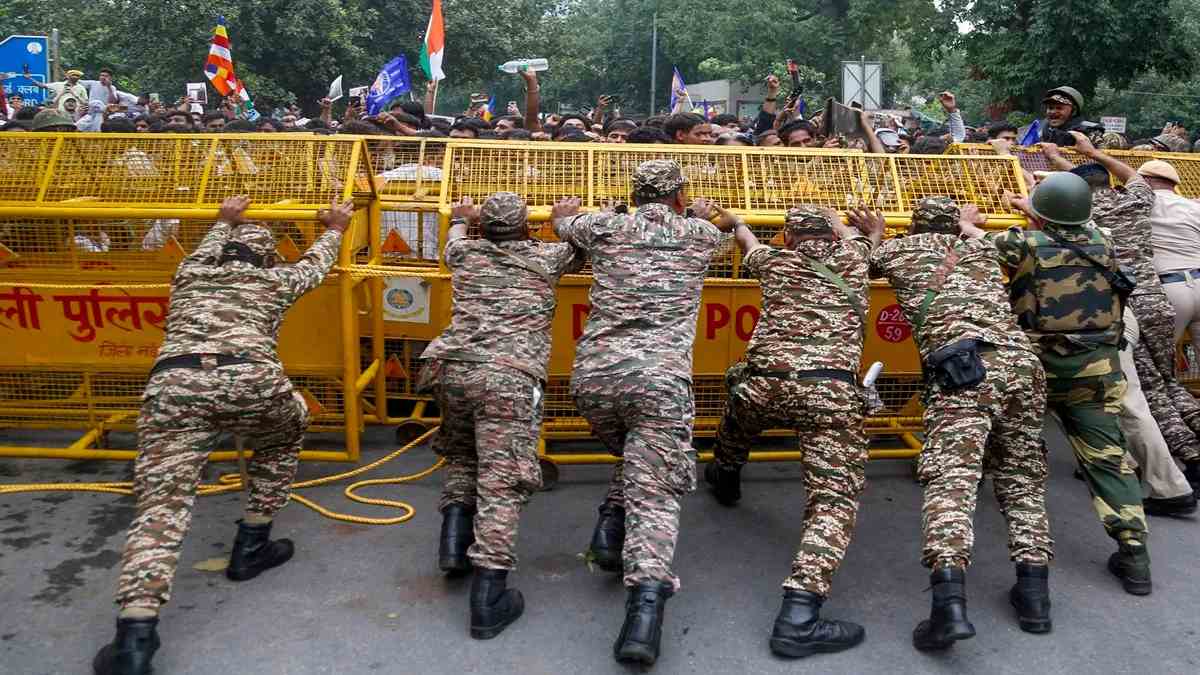
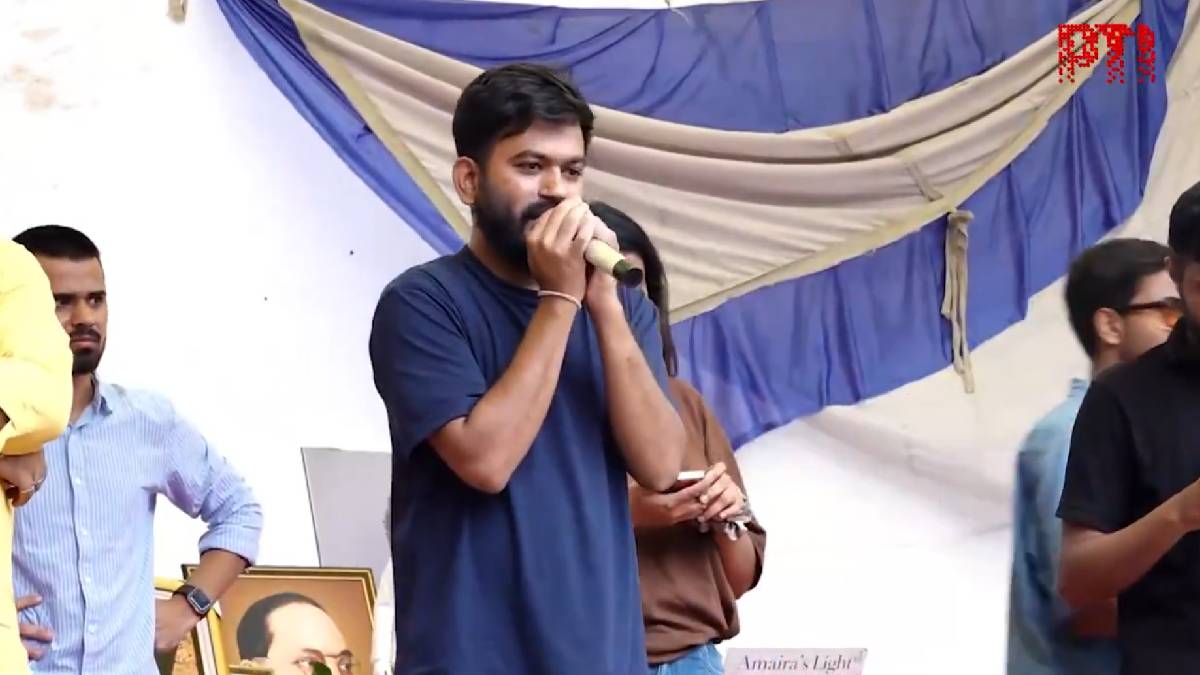
Dipke said: “Why do the authorities treat the country’s capital like a border zone?” His criticism is part of a larger point that the state should focus on genuine security threats and allow for peaceful demonstrations to take place under right legal and public-safety arrangements. These statements are Dipke’s political standing and allegations, not independent evidence as to what the government intends. Source: Moneycontrol.
CJP is opposed to the SIR process - the process of reviewing and revising electoral lists. Dipke and his supporters have raised questions about alleged irregularities in the process and whether eligible voters might be mistakenly excluded. The group has asked the Election Commission to hold people accountable, asking for Chief Election Commissioner Gyanesh Kumar to step down. These allegations are at the heart of the movement’s campaign to galvanise students, young people and other people about electoral transparency and democratic accountability. The allegations of electoral irregularities are political allegations and should not be conflated with findings that are made by the relevant authorities.
Dipke has also pointed out the constitutional protection of freedom of speech and expression and the right to assemble peacefully. Article 19 of the Constitution of India guarantees these rights with certain restrictions.
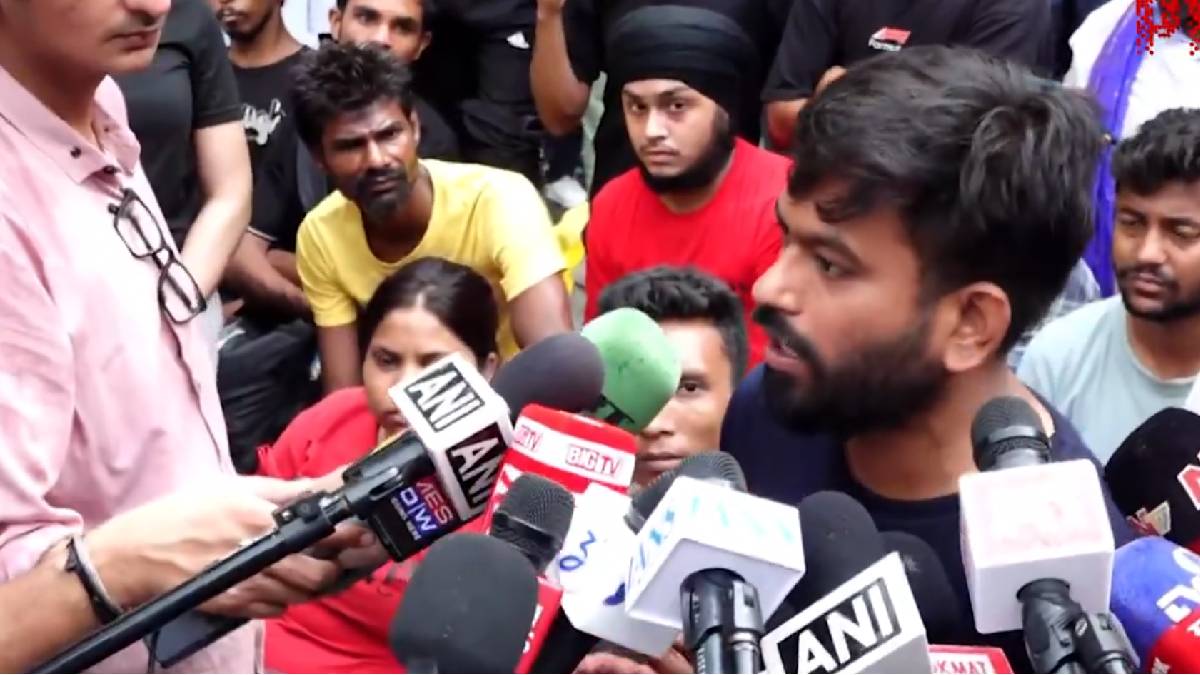
Peaceful protest is a central part of democracy, people should be able to speak up and challenge public decisions and to hold persons accountable for their actions. When there is legal justification, the government should make a reasonable and proportionate decision to restrict where necessary in order to keep order and to protect the security of the people; when the law is not met and why is it restricted?
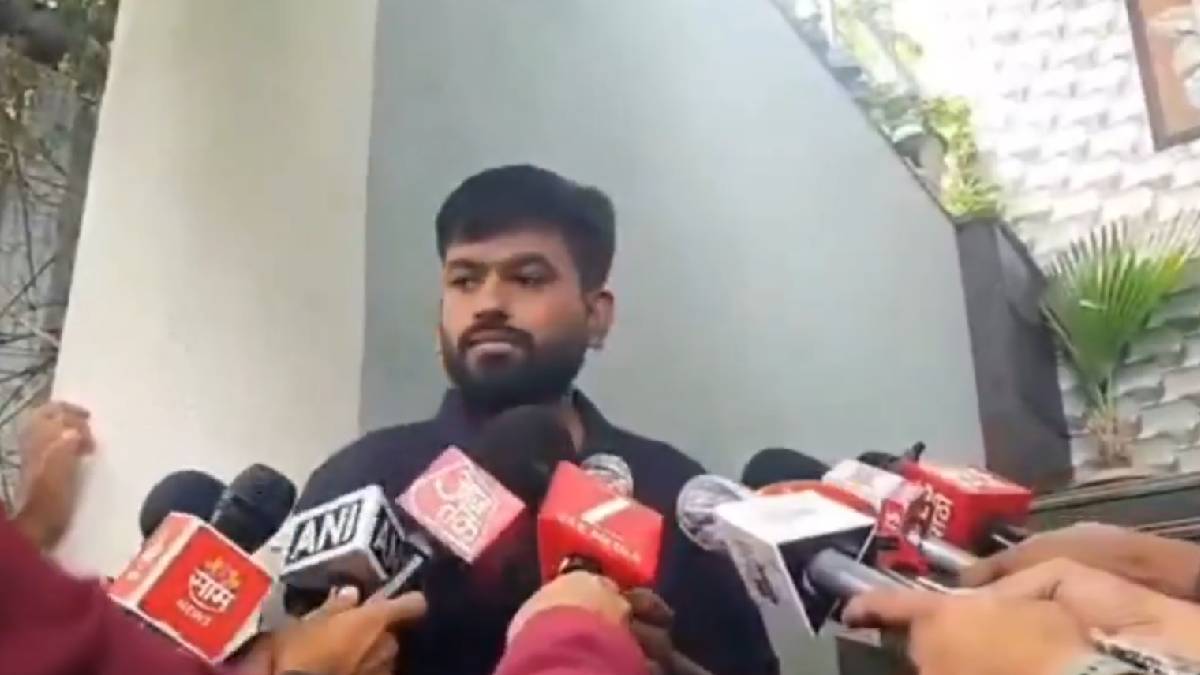
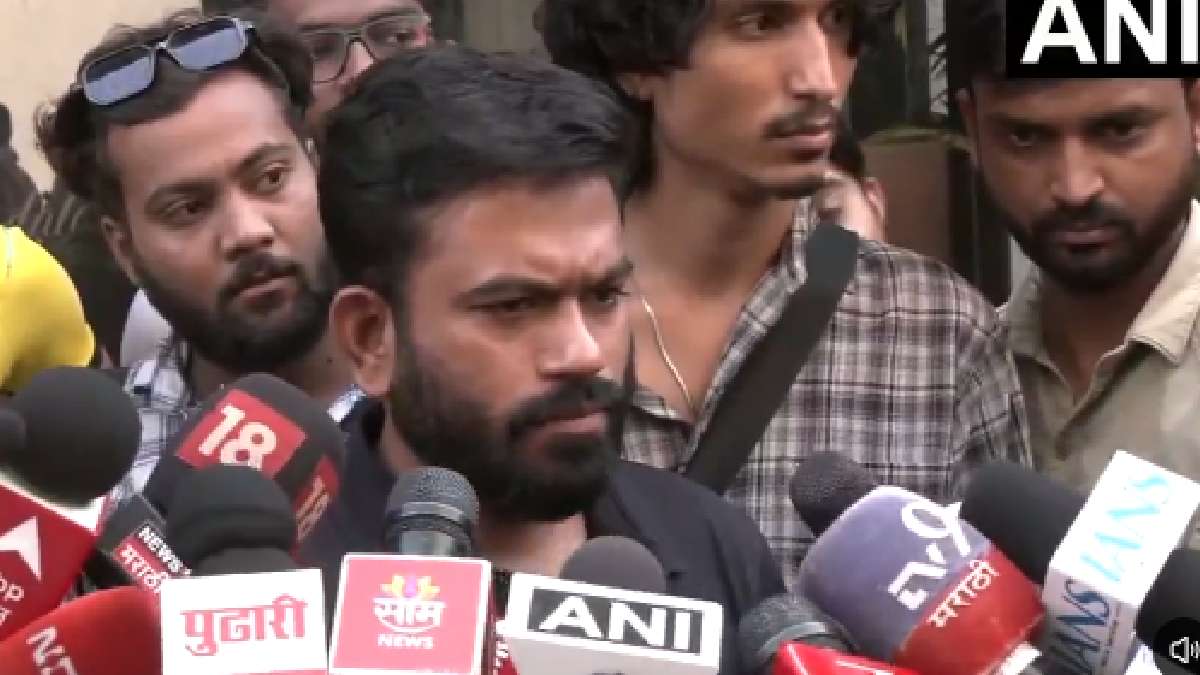
The issue was further fuelled by detentions of CJP leaders and supporters. Dipke was arrested after he arrived on the morning of October 10 in Delhi for the protest, and later released, according to news reports. The arrest of other CJP leaders Saurav Das and Ashutosh Ranka also drew criticism from opposition and civil society groups. CJP has refused to give up the fight and has said it will continue its protest against those involved.
The authorities' actions and the protesters' accusations have become an issue of political debate on how to conduct demonstrations in the national capital. Source: The Indian Express.
Dipke’s criticism also raises the larger question of how governments should react to public dissent. A government has responsibilities to secure borders, to defend internal security and to guarantee public safety.
Citizens’ rights are also protected and peaceful criticism of its decisions will be allowed. These responsibilities shouldn’t be seen as incompatible: good public administration requires security preparedness but also transparency in communication, decent policing and a mechanism for citizens to lodge complaints.
The CJP campaign has thus become more than one protest location or one police operation and a movement. It is part of an argument over electoral processes, young protesters’ treatment and the space for dissent in a democracy. How far the movement can turn its demands into institutional changes is still open to debate. How the next steps in the movement will be forthcoming remains to be seen.
"Priority should be securing borders, not suppressing protests": CJP's Abhijeet Dipke targets PM Modi Read @ANI Story | https://t.co/NkK8MZVvPu #PMModi #CJP #AbhijeetDipke https://t.co/XvsKY2EKCe
— ANI Digital (@ani_digital) October 23, 2026
For now, Dipke’s comments have only fed the political debate on national priorities and protest rights. Public security is not a justification for an unnecessary restriction on peaceful democratic expression and his core message is that.
The government’s position, the legal basis for specific restrictions and evidence of electoral allegations are still relevant factors in the assessment of the dispute. And the challenge is for all sides to address these concerns in a legitimate, transparent way in a democratic manner.


Comments
Leave a Comment