
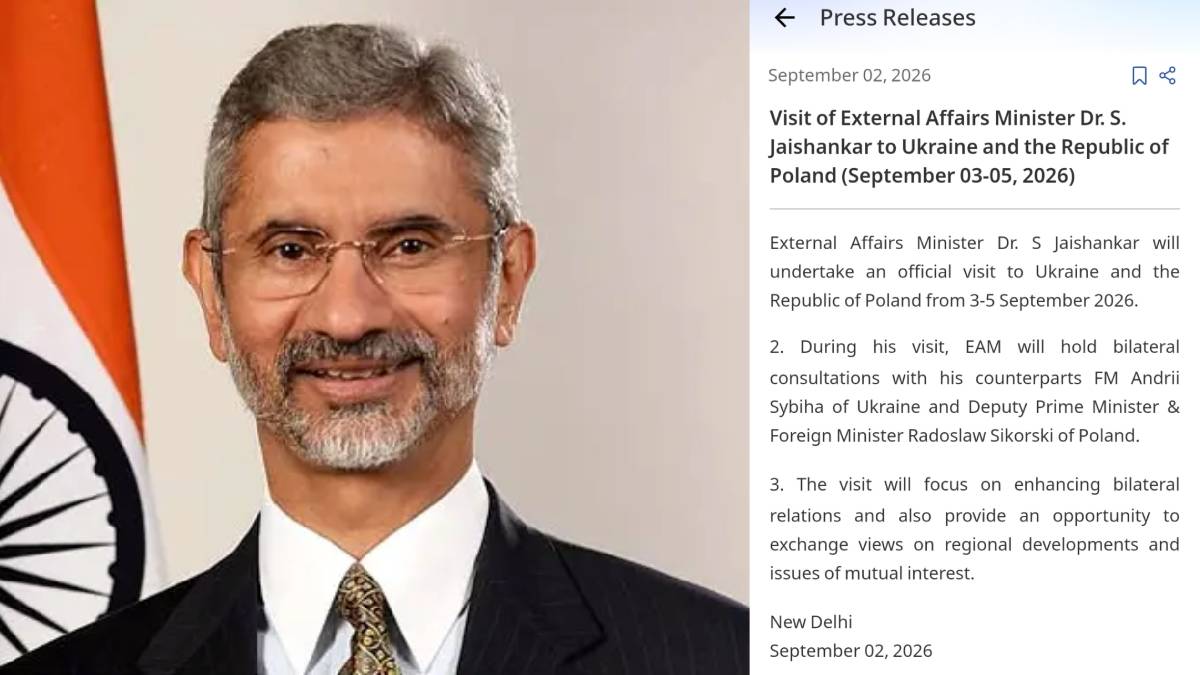
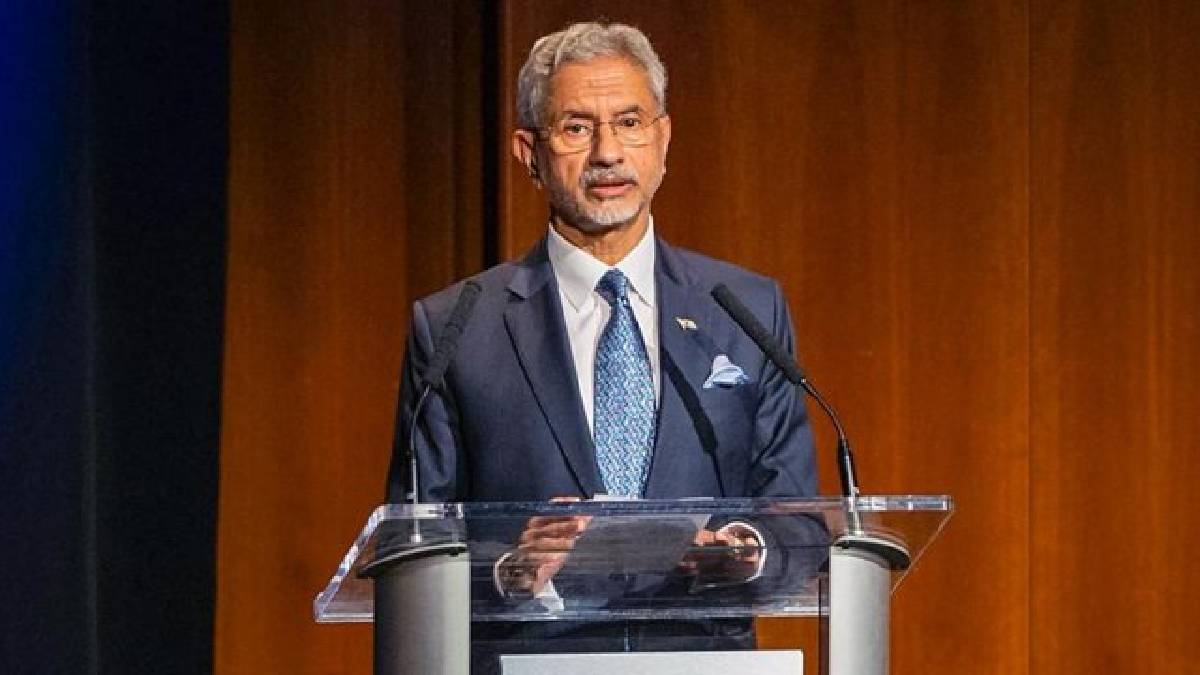
External Affairs Minister S. Jaishankar met with Azerbaijan President Ilham Aliyev in Baku on 23 October 2026 as India and Azerbaijan are keen to enhance diplomatic relations and cooperation between the two countries.
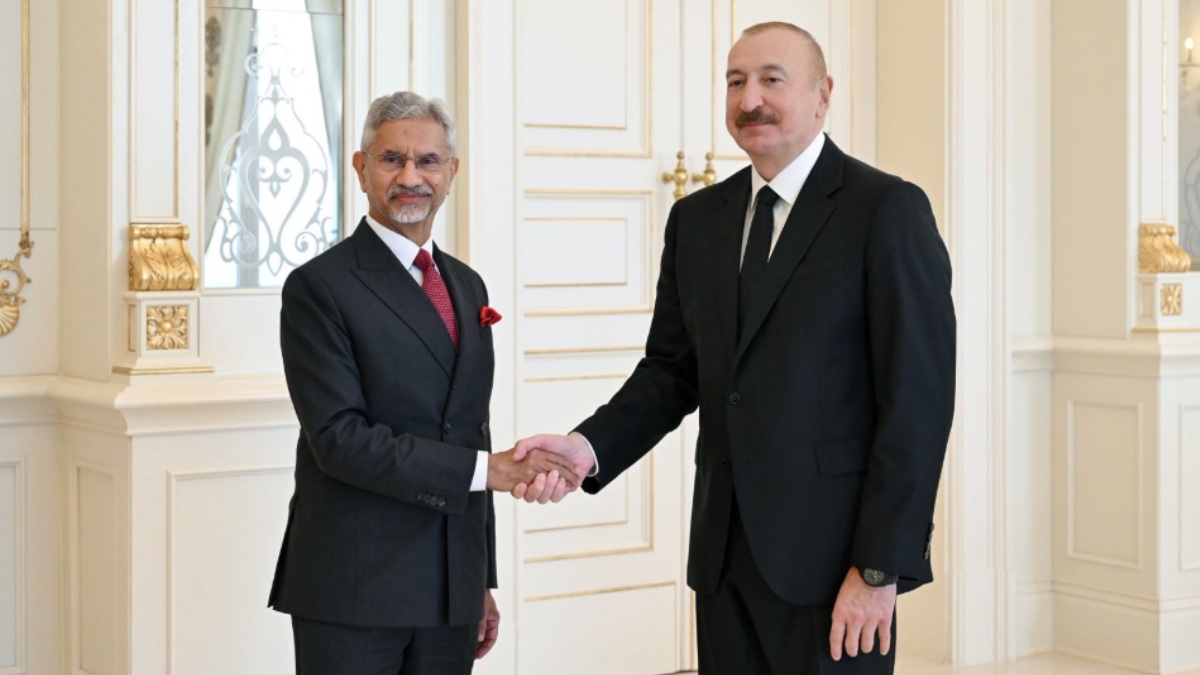
In the meeting, Jaishankar also conveyed greetings from President Droupadi Murmu and Prime Minister Narendra Modi to Aliyev. The meeting was part of Jaishankar’s trip to Azerbaijan during which he discussed bilateral relationships and reached out to the country for cooperation.
In an official Twitter post, Jaishankar said he had talked about strengthening relations between the two nations and appreciated Aliyev's positive sentiments towards cooperation on the shared effort.
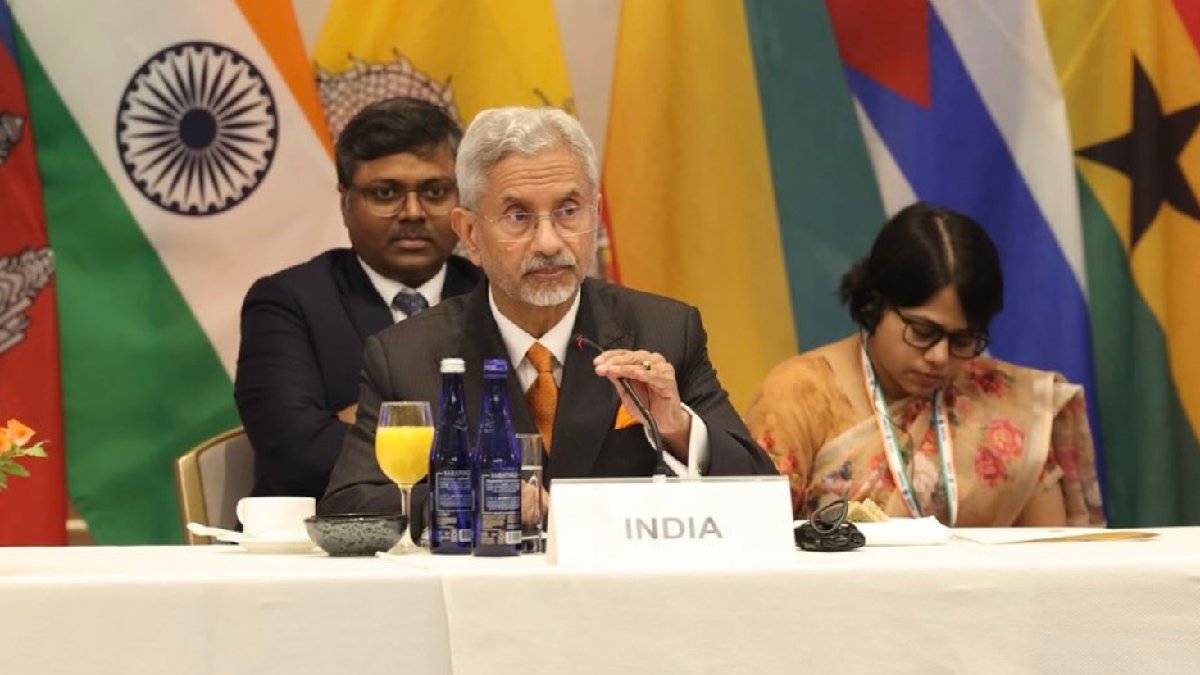
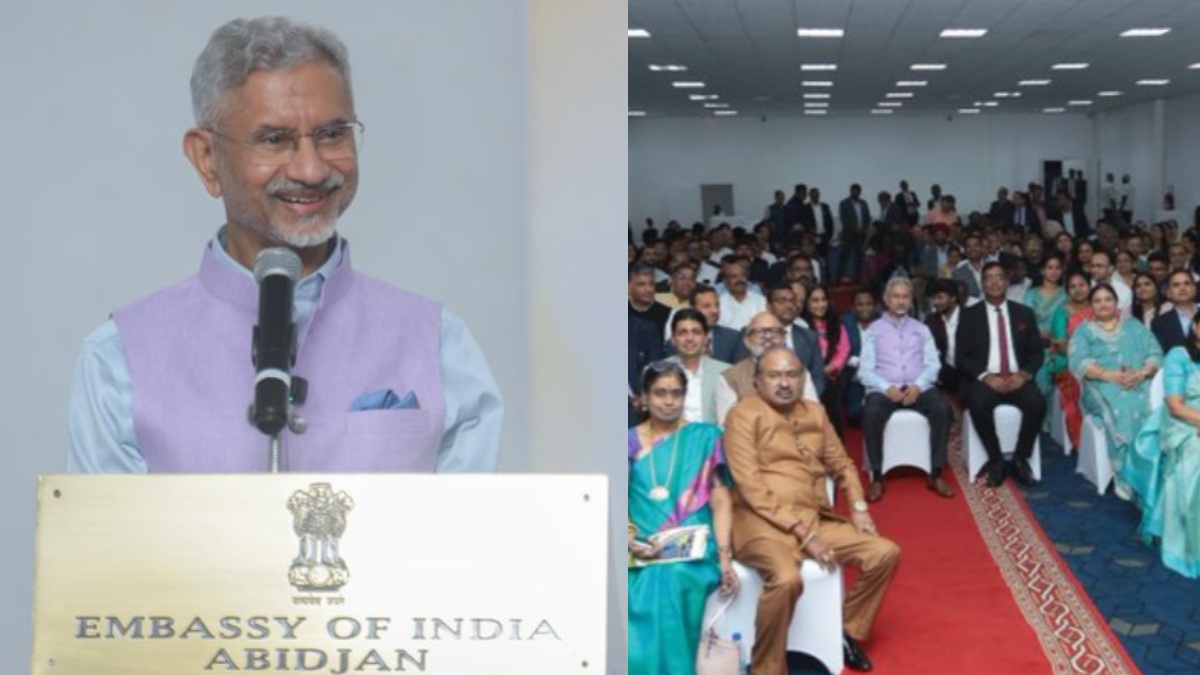
Jaishankar Conveys Greetings from President Murmu and PM Modi.
The meeting with Aliyev highlighted India's continued diplomatic engagement with Azerbaijan. The External Affairs Minister sent the greetings to the President and the Prime Minister of India, while Aliyev thanked India for the visit and asked Jaishankar to write to the Indian leadership.
According to Azerbaijani media reports, both sides expressed views on the state of bilateral relations and prospects for cooperation in areas of mutual interest.
The meeting also reflected the importance of having high-level diplomatic contact to both countries as they are in the midst of a dialogue over the region’s future.
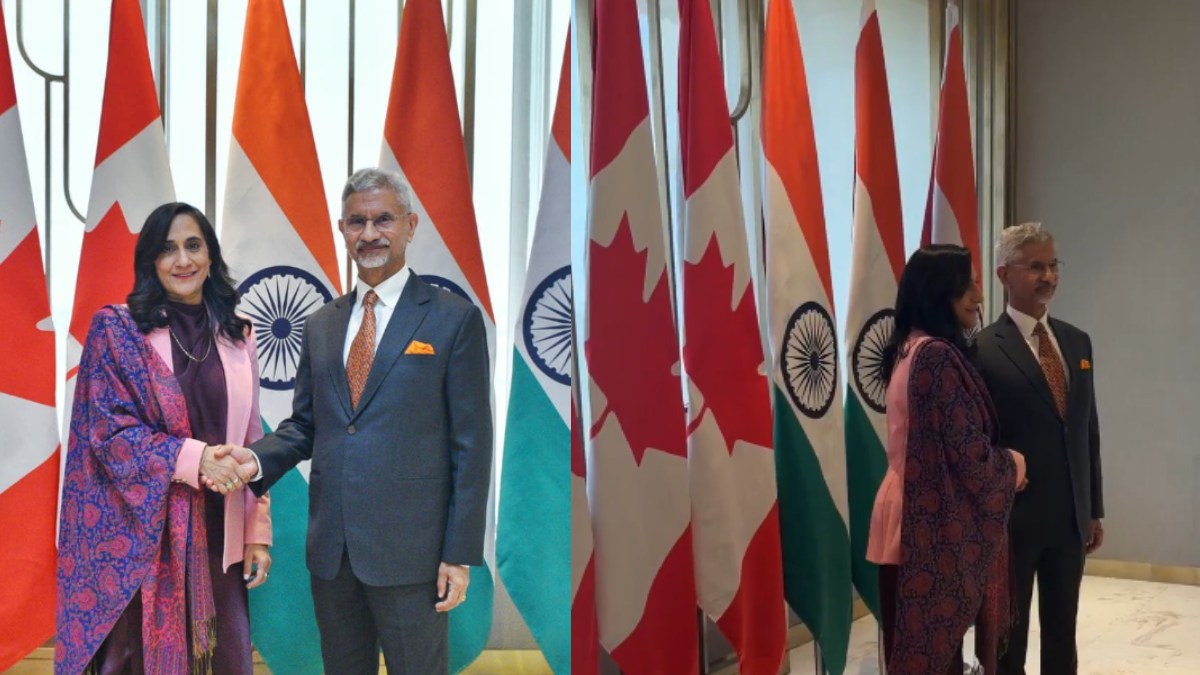
India and Azerbaijan Look to Expand Cooperation
India and Azerbaijan have various potential cooperation in such areas as trade, energy, technology, tourism, pharmaceuticals, culture and education.
Energy still plays an important role in the relationship. Indian company ONGC Videsh has investments in Azerbaijan’s Azeri-Chirag-Gunashli oil fields and the Baku-Tbilisi-Ceyhan pipeline, making it a strategic resource for India in overseas energy interests.
Trade and tourism also offer the opportunity for closer economic engagement. In 2025, bilateral trade was estimated to be around $401 million, and Azerbaijan hosted a great number of Indian visitors in the year.
The latest meeting provides an opportunity to build upon previous talks and identify further areas for cooperation. But the public readout of that meeting did not indicate a new agreement or a specific commercial deal.
External Affairs Minister Dr S Jaishankar calls on the President of Azerbaijan, Ilham Aliyev, in Baku EAM says, "Conveyed the greetings of President Murmu and PM Modi. Discussed strengthening the relationship between our two countries. Appreciate his positive sentiments for this shared endeavour." (Source: EAM/X)
— ANI (@ANI) October 23, 2026
Background: India-Azerbaijan Relations
India and Azerbaijan started diplomatic relations in 1992. They have worked together in energy, trade, education and cultural exchanges and have also engaged in diplomatic exchanges through international venues.
The relations have also been challenged lately due to differences over regional security and Azerbaijan’s greater engagement with Pakistan and Türkiye. India and Azerbaijan have, however, kept diplomatic discussions going.
In April 2026, officials from both countries held foreign office consultations in Baku, discussing cooperation in areas like trade, technology, tourism, pharmaceuticals, energy and culture.
Prime Minister Narendra Modi met President Aliyev on the sidelines of the Shanghai Cooperation Organisation summit in Bishkek in September 2026, and they also discussed bilateral relations.
Jaishankar’s Visit Signals Continued Diplomatic Engagement.
Jaishankar’s October 23 visit is another high-level contact between New Delhi and Baku. His meeting with Aliyev shows the importance of dialogue in maintaining bilateral relations as well as in exploring common interests.
The immediate focus is on strengthening cooperation and reviewing the relationship across various sectors. Whether the visit results in new agreements or efforts to improve it will be revealed through the respective governments’ statements after the visit.
For now, both sides have publicly expressed interest in continuing engagement, with trade, energy, technology and people-to-people links as potential areas of further progress.

Comments
Leave a Comment