
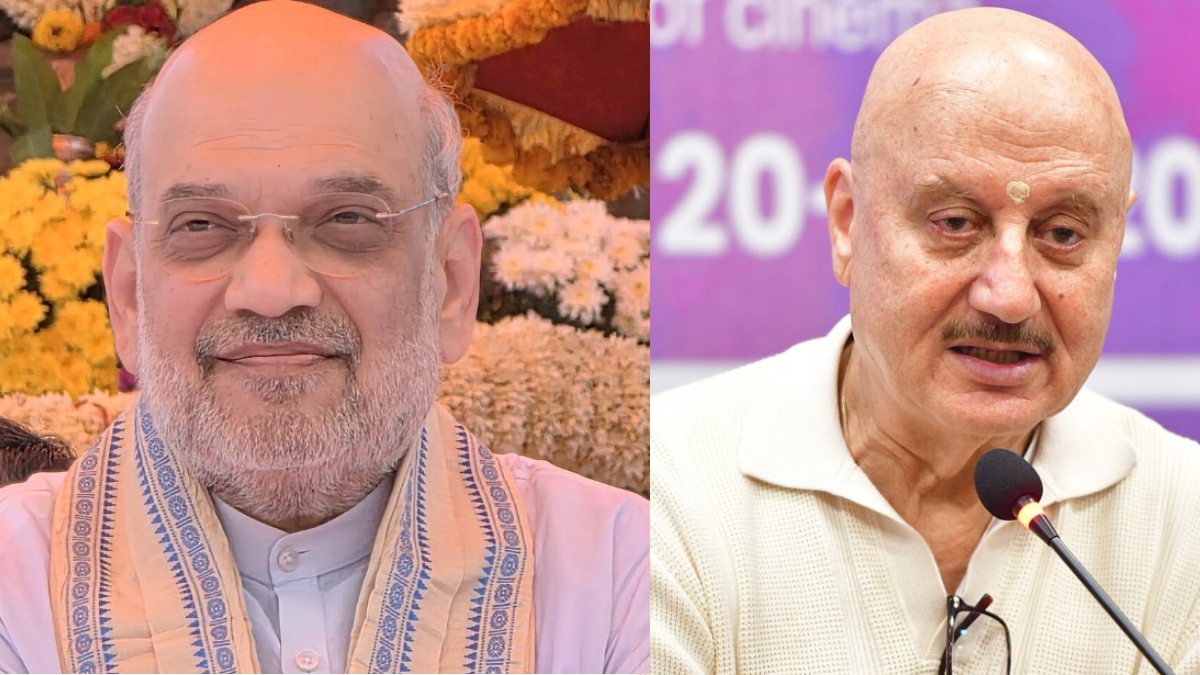
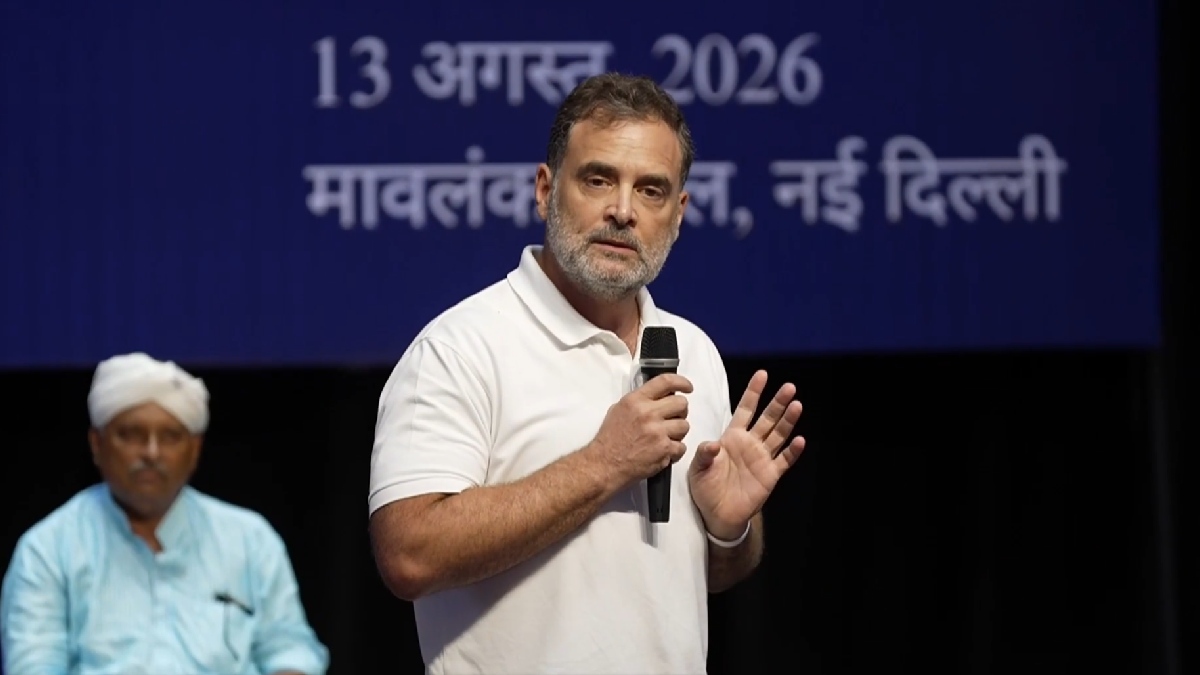
Amit Shah’s criticism of Congress leader Rahul Gandhi for his foreign trips has rekindled the debate on parliamentary attendance and public responsibility again. The comments have also attracted attention to Shah’s visit to Delhi on October 22, 2026, for which he launched projects worth ₹8,941 crore to improve sewage and clean the Yamuna.
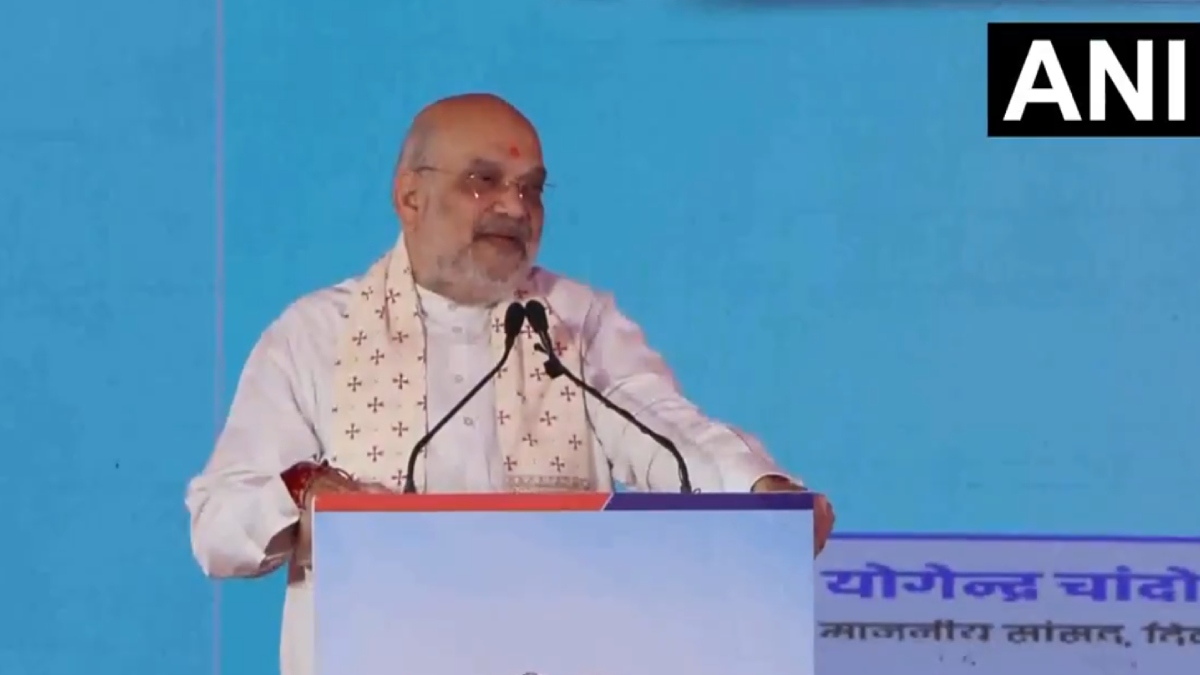
Shah has frequently questioned Gandhi's overseas travel during parliamentary sessions, arguing that the Congress leader cannot participate in House proceedings while he is abroad. The latest political angle centers on the phrase “Born Here, Will Die Here”, though the exact wording and context of that line need to be confirmed from the original speech or a reliable transcript.
Amit Shah Questions Rahul Gandhi's Foreign Trips
Shah has previously challenged Gandhi on his travel schedule, especially when Parliament is in session. In March 2026, the Home Minister noted some occasions when Gandhi was reportedly abroad during parliamentary sessions.
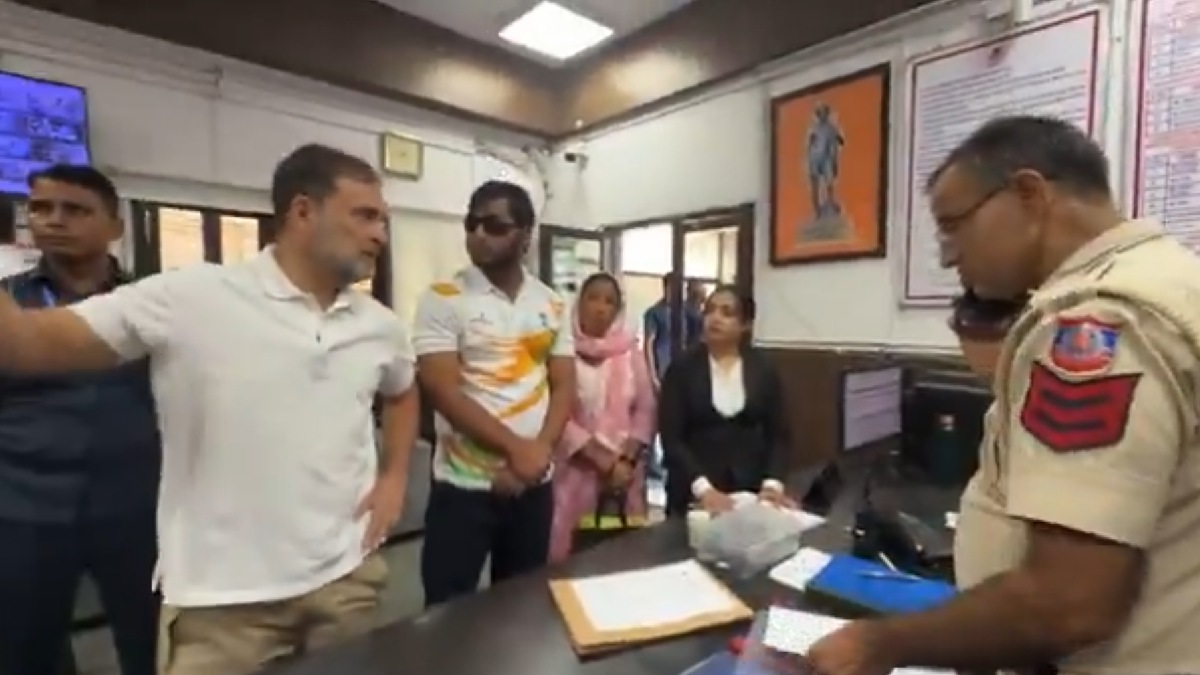
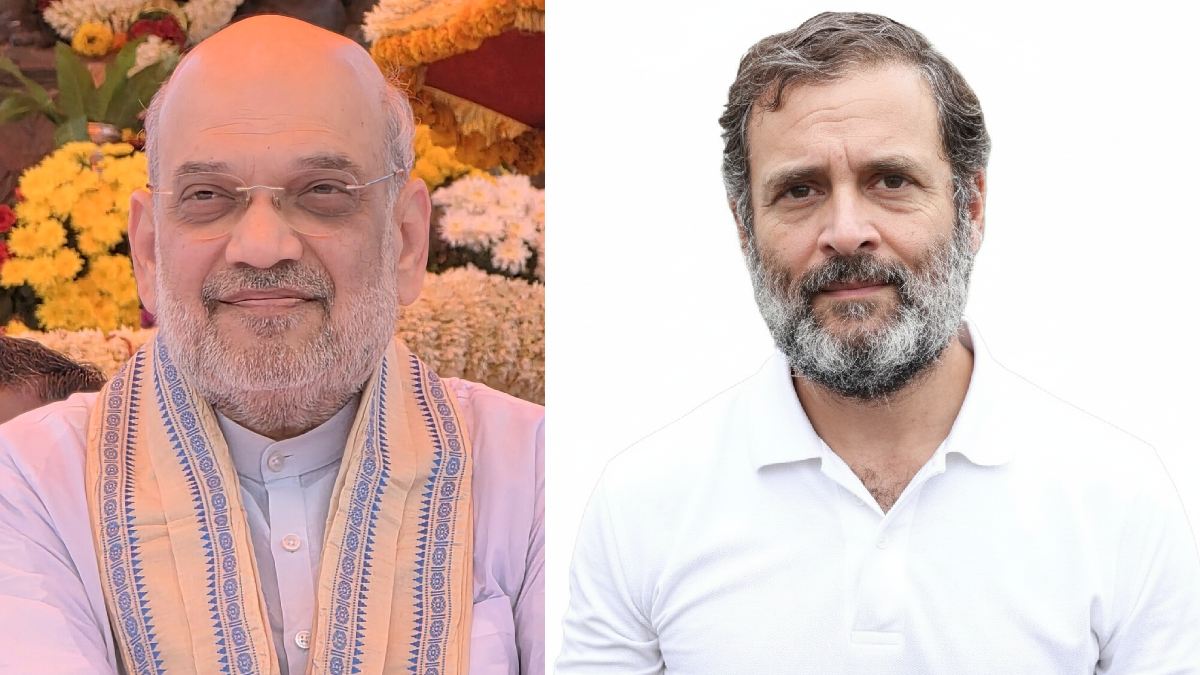
Shah referred to Gandhi’s visits to Germany, Vietnam, England, Singapore and Malaysia, and said the Congress leader’s absence limited his participation in important discussions.
“How will you speak here from abroad?” Shah asked during that debate, he said in that debate, as quoted by The Indian Express. He also said Parliament does not allow members to attend through video conferencing.
The comments were a part of a larger conflict between the BJP and Congress over Parliament, the role of the Opposition and leaders’ participation in legislative proceedings.
Parliamentary attendance becomes a political flashpoint
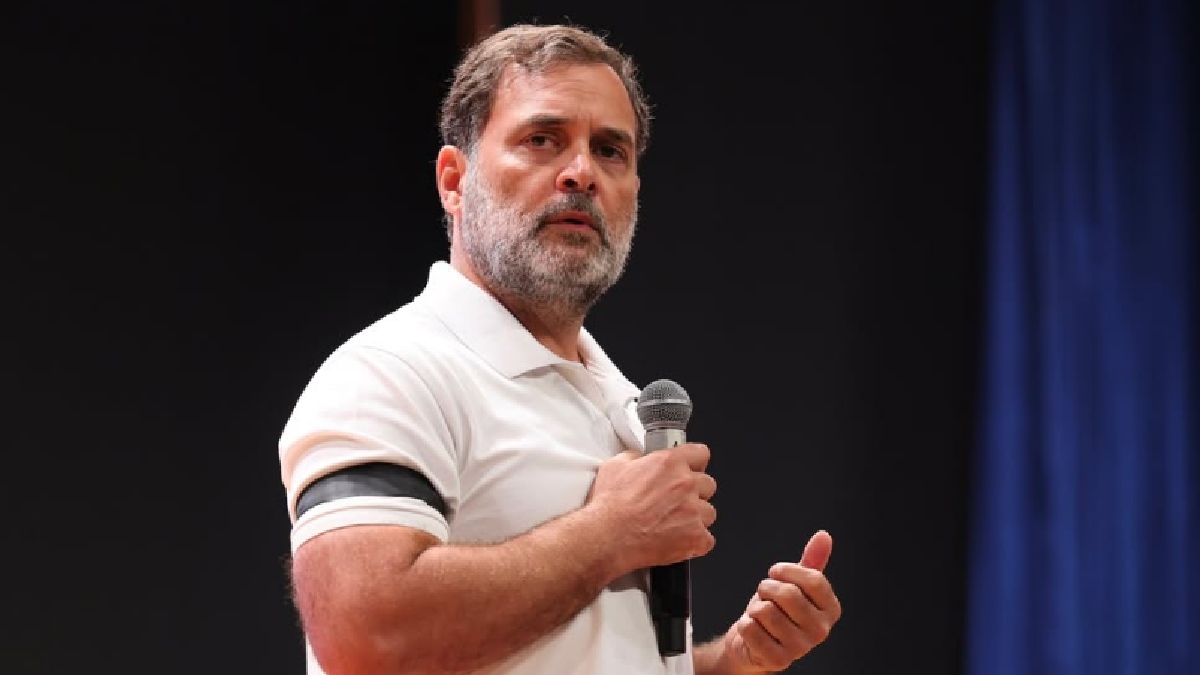
Shah also cited parliamentary attendance figures to support his criticism. According to figures he provided during the March debate, Gandhi's attendance in the 17th Lok Sabha was 51%, compared to a national average of 67%. For the 16th Lok Sabha, Shah cited Gandhi's attendance at 52%, against an average of 80%.
These figures were presented by Shah as part of his political argument. They concern earlier Lok Sabha terms and should not be interpreted as a measure of Gandhi's attendance in the current Parliament.
The exchange demonstrates how visits, foreign visits and participation in debates have been among the main friction points between the ruling BJP and Congress-led Opposition.
Why Shah's Remarks Matter
The issue is a larger political tension around how Opposition leaders are to meet their parliamentary responsibilities while travelling abroad.
The BJP has questioned Gandhi’s absence from key sessions while the Congress has frequently critiqued the government’s handling of Parliament and the space for Opposition voices.
Shah’s comments are therefore part of the political dispute and not an isolated exchange. The remarks have also reinvigorated Gandhi’s position as a senior Opposition leader and what the expectations associated with it are.
Yamuna Project Launch provides the other major focus of the event.
Shah’s political comments were accompanied by the launch of 43 projects of about ₹8,941 crore for Delhi's water supply and sewage infrastructure.
The programme consists of a new sewage treatment plant at Okhla, upgrades to existing treatment facilities, decentralised sewage treatment plants and around 1,034 kilometres of new sewer lines.
The projects are intended to improve wastewater treatment and reduce the discharge of untreated sewage into the Yamuna. Implementation will take about two to two-and-a-half years, officials have said.
While the infrastructure announcement addresses Delhi's environmental challenges, Shah’s criticism of Gandhi has added a political dimension to the event.
The debate over foreign travel and parliamentary attendance is likely to remain a political point of disagreement - the exact wording of the latest reported remark needs confirmation before it is quoted as a direct statement.



Comments
Leave a Comment