
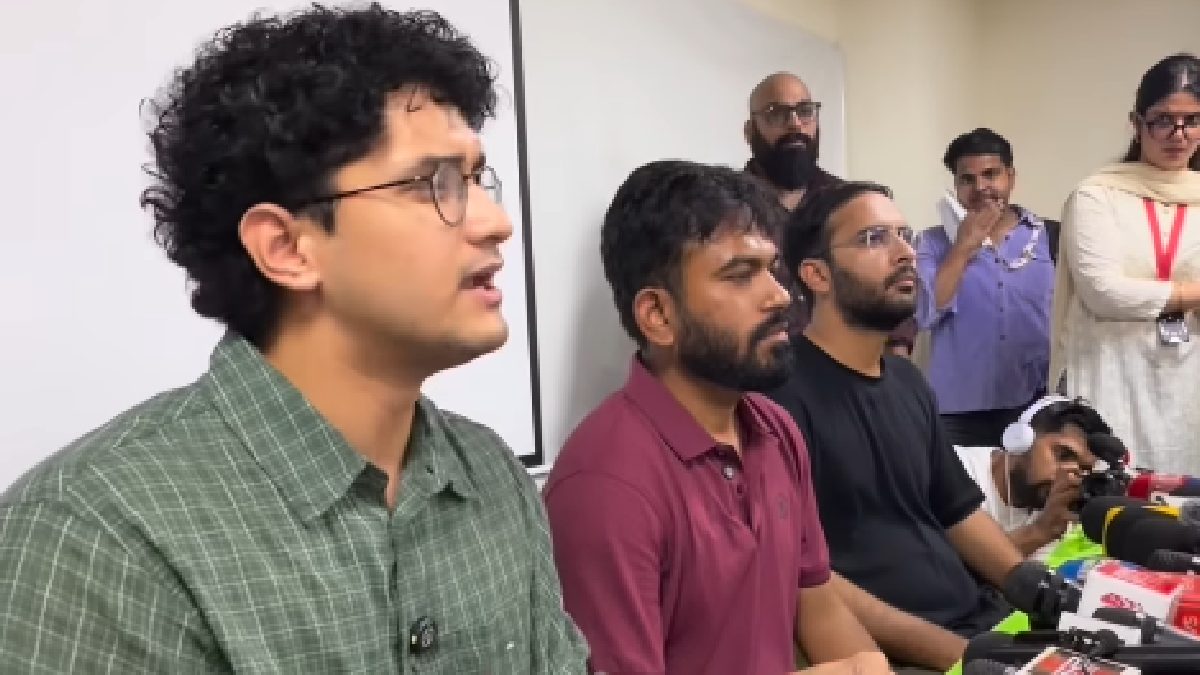
A Delhi court has remanded Cockroach Janata Party (CJP) leaders Saurav Das and Ashutosh Ranka for five days in judicial custody after they broke through barricades and entered the prohibited protest area at Jantar Mantar and breached restrictions on them. The two leaders had been demanding the Chief Election Commissioner be removed, sources said.
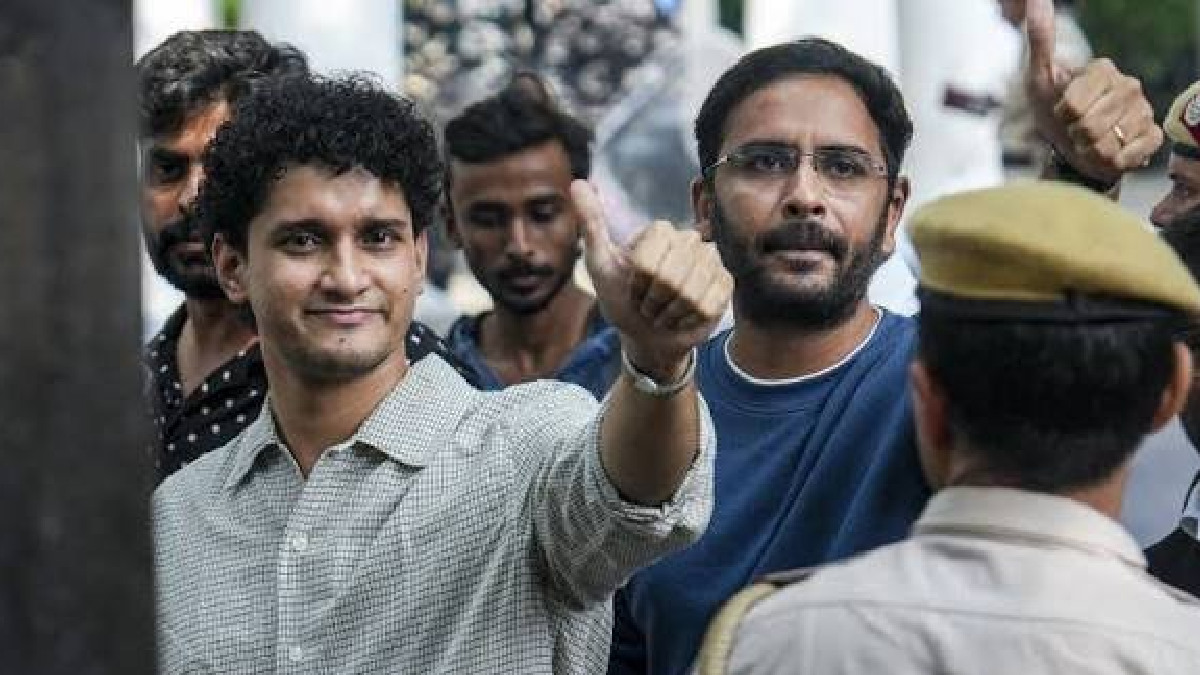
They were arrested on the day they were given conditional bail, raising questions as to why they came back to the protest site despite the ban. Ranka was taken into custody on his birthday, which could have been a celebration day for party supporters but turned into a disaster for the organisation. Delhi Police brought their two leaders before a magistrate on the grounds of a violation and took them into custody.
Das and Ranka had been granted conditional bail on Sunday but returned to Jantar Mantar on Monday and entered the restricted area. Police then arrested them and brought them to court. The charges against the leaders are obstructing police in their duties and entering a prohibited area.
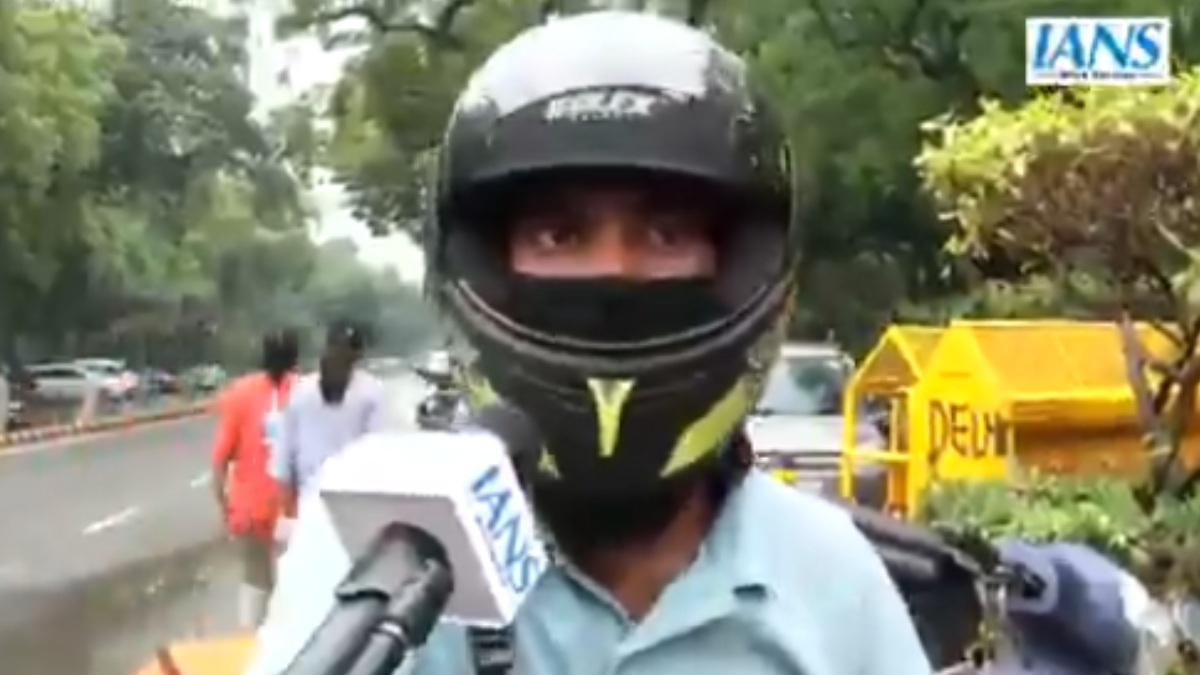

The magistrate’s court ordered them to remain in judicial custody for five days. The charges are based on their alleged violation of the security measures of the protest site. The details of the court’s reasoning and any subsequent legal developments were not available in the information provided.
The conditions of the leaders’ earlier release were also put in place, the report stated. According to the report, a Special Executive Magistrate (SEM) court ordered the two leaders to give personal bonds of Rs 50,000 each and to maintain peace for the rest of the year.
Their alleged return to the restricted protest area within 24 hours of getting their bail could have a bearing on their previously obtained relief. Legal experts in the report said the previous bail arrangements could be reconsidered and the bond amount might be subject to forfeiture, depending on what court orders and proceedings are made. But the legal status of the earlier bail and any forfeiture decision would need to be verified by official records. The latest remand order means the leaders will need to pursue their legal remedies while in custody.
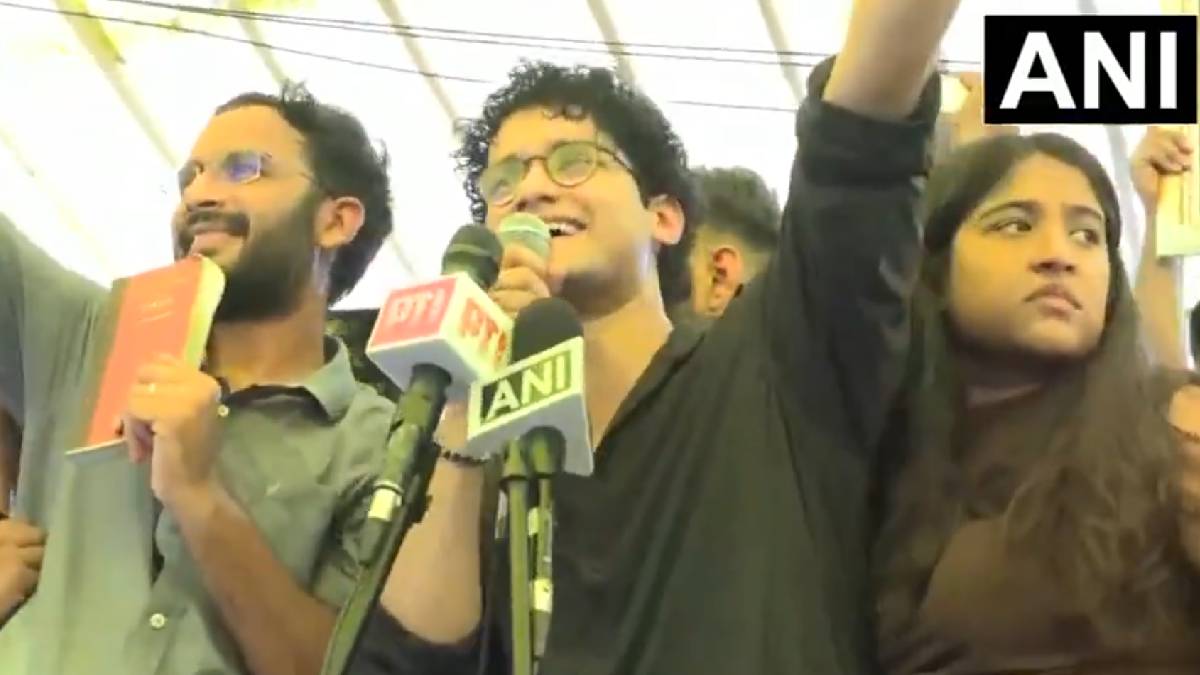
Ranka's birthday was one more significant aspect. Party supporters were wishing the CJP national spokesperson on social media on his birthday when news that he had been sent to judicial custody came to light. The timing was one of the first things that was discussed by supporters and observers.
The party is now facing a major organisational challenge as its membership is concerned about the Chief Election Commissioner. Legal risks can also arise when political demonstrations occur in areas that are restricted. While the right to peaceful protest is a bedrock democratic principle, demonstrators are also required to comply with lawful orders governing access to designated protest zones.
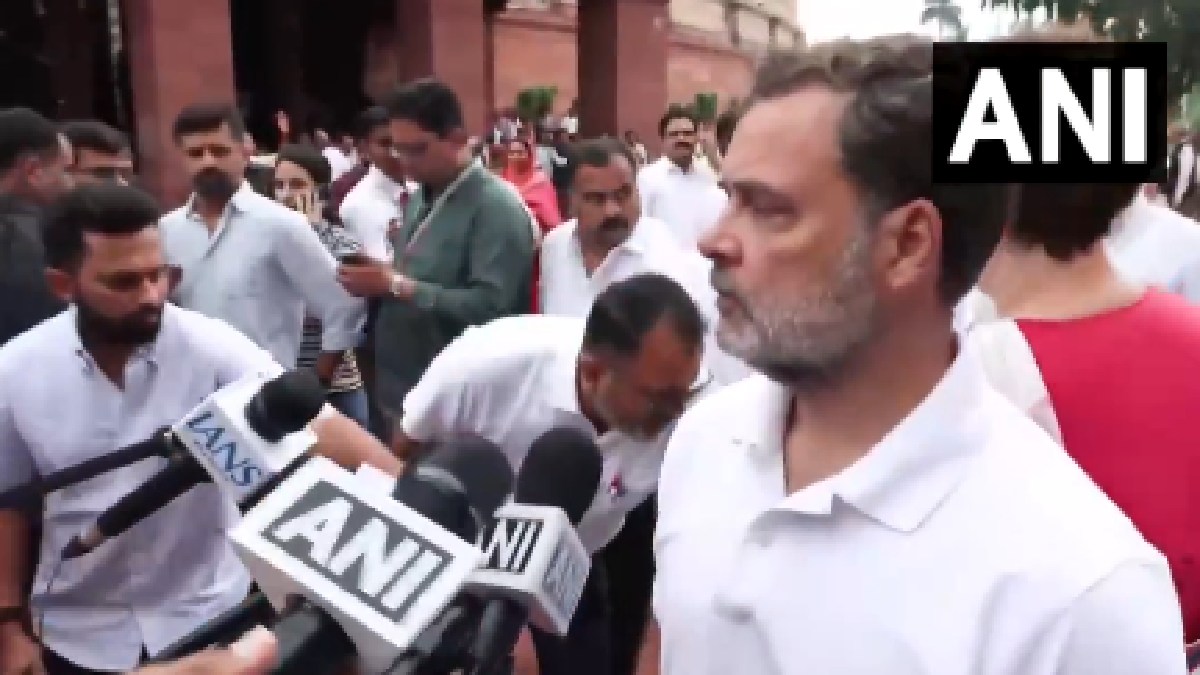
The arrest of the CJP leaders has also coincided with a separate political trend for opposition parties. At the high-tea meeting hosted by Congress leader Rahul Gandhi on Tuesday, parties belonging to the INDIA opposition alliance reported having decided to keep a distance from the CJP protest.
If so, it would leave the party’s leaders to carry out their campaign without the formal support of major opposition groups. What remains unknown is how different political organisations will approach protesting and the legal risks. The CJP's position and any response from the opposition alliance could become clearer as the political situation develops.
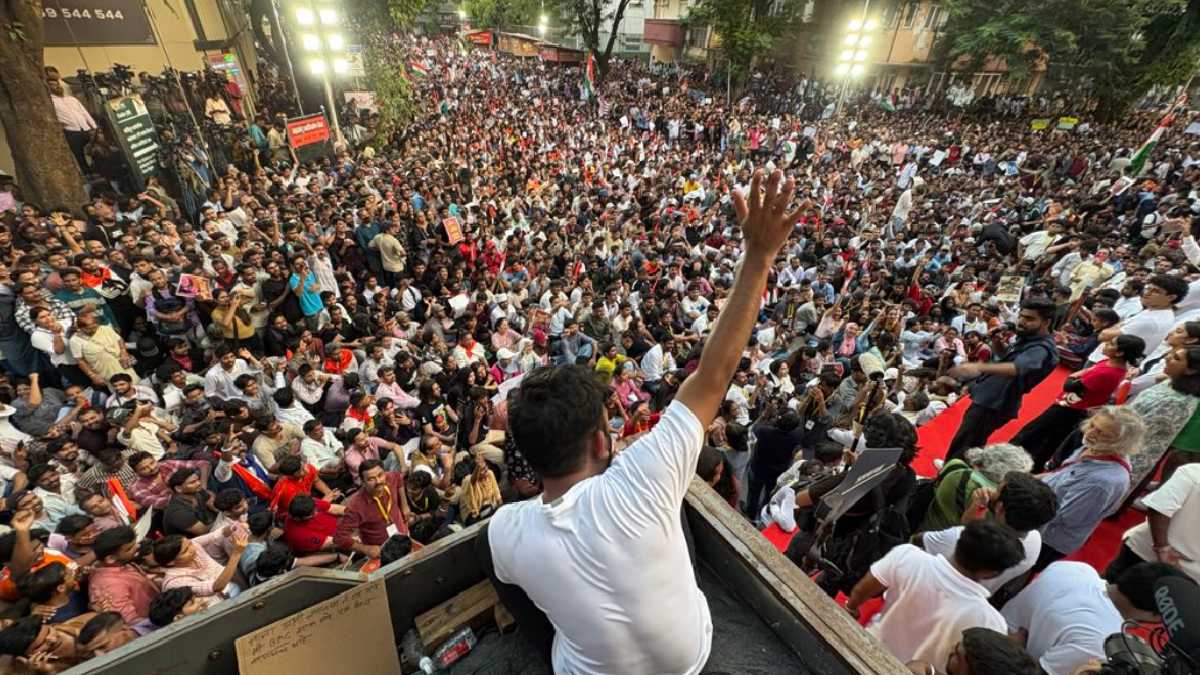
Meanwhile, security around Jantar Mantar has been tight in preparation for more possible demonstrations by CJP supporters. Party founder Abhijit Dipke is expected to return to Delhi, and there will be more protests to condemn the arrests. Police surveillance in the area will be maintained to prevent further violations of restrictions and public order.
Any additional demonstrations could bring attention to the demands of the party and the ongoing legal action involving Das and Ranka. The immediate focus is on the five-day judicial custody order as well as the status of the leaders' earlier bail and the possibility of further legal action. The case is emblematic of the intersection of political protest, public order restrictions, and judicial oversight in the national capital.






Comments
Leave a Comment