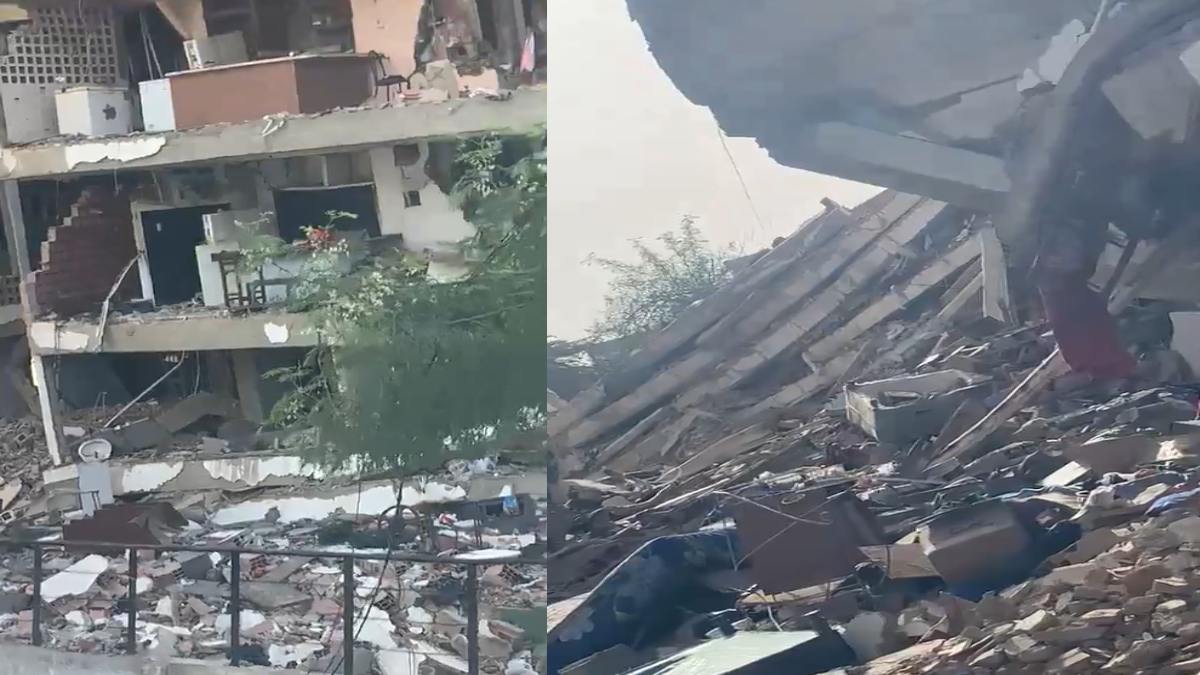
Nepal was hit by a 5.3 magnitude earthquake on Wednesday, another blow to the Himalayan nation as it tries to recover from one of the worst flood disasters in its history. Tremors were felt in the Nepal-Tibet region and happened just days after catastrophic floods and landslides devastated large parts of the country, killing more than 1,300 people and leaving thousands missing.
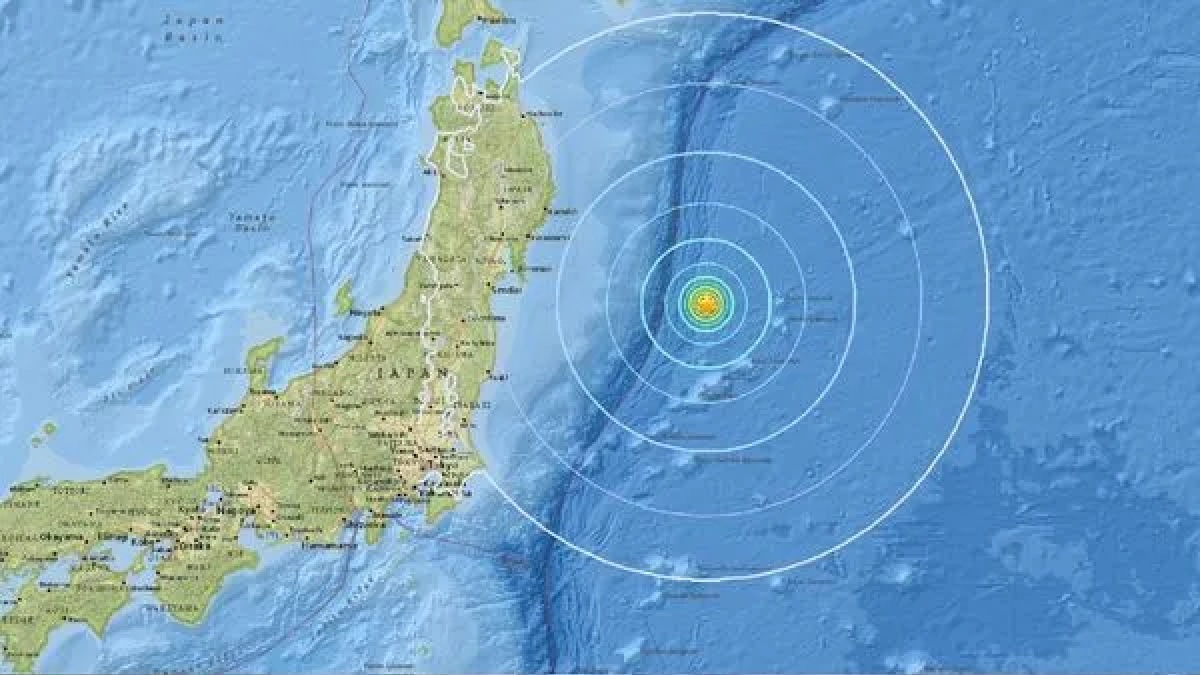
The European-Mediterranean Seismological Centre (EMSC) said the quake was 5.3 on the Richter scale and struck at a depth of about 35 km. Initial reports did not show any major damage or casualties from the quake, but authorities were still monitoring the situation as the country is fragile after the floods.
The earthquake comes at a bad time for Nepal. It is still reeling from floods caused by a massive glacier collapse in the Himalayas on Aug. 26 that destroyed roads, bridges, hydropower projects and residential areas. Thousands of families have been displaced, and rescue teams are searching for missing persons in difficult conditions.
Officials say even moderate earthquakes could trigger new landslides where the ground has already been weakened by recent flooding and soil erosion. Mountainous terrain, unstable slopes and damaged infrastructure make disaster response more difficult. There was no immediate emergency after the latest quake, but authorities warned residents in vulnerable areas to be on guard.
Nepal is one of the world’s most seismically active regions where the Indian tectonic plate meets the Eurasian plate. That means earthquakes are common across the Himalayan region. The country has suffered several destructive earthquakes in the past (the 2015 quake killed almost 9,000 people and destroyed infrastructure and cultural heritage sites). This latest tremor is yet another reminder of the region’s vulnerability to natural disasters.
Rescue and recovery from the flood disaster remain the government’s priority. More than 100 hydropower workers are still feared trapped in tunnel networks, and hundreds of rescue personnel from Nepal and international teams are still involved in search operations. Equipment, drones and engineering teams have been deployed by authorities to find survivors and repair damaged infrastructure.
The floods have hit Nepal’s economy hard; hydropower and tourism are among the worst affected sectors. Several power projects were destroyed while key transportation routes linking Nepal with neighbouring countries were damaged. Reconstruction costs will be in the billions of dollars, which will put further strain on the country’s finances.
As Nepal recovers from the earthquake, it has made clear the country’s dual vulnerability to geological and climate disasters. Experts have said stronger disaster preparedness measures need to be put in place; early warning systems improved; international cooperation increased so that the nation can better deal with more frequent natural calamities.
Although the 5.3 magnitude earthquake did not cause immediate damage, it has increased anxiety in residents already reeling from the cataclysmic floods. Authorities are on high alert as recovery continues across affected regions.