Tensions between Iran and the US have risen — missiles hit a US base in Jordan; ships were attacked around the Strait of Hormuz; claims an underwater drone was captured by America. The latest events have stoked fears for wider regional war as well as disruption to global energy supplies.
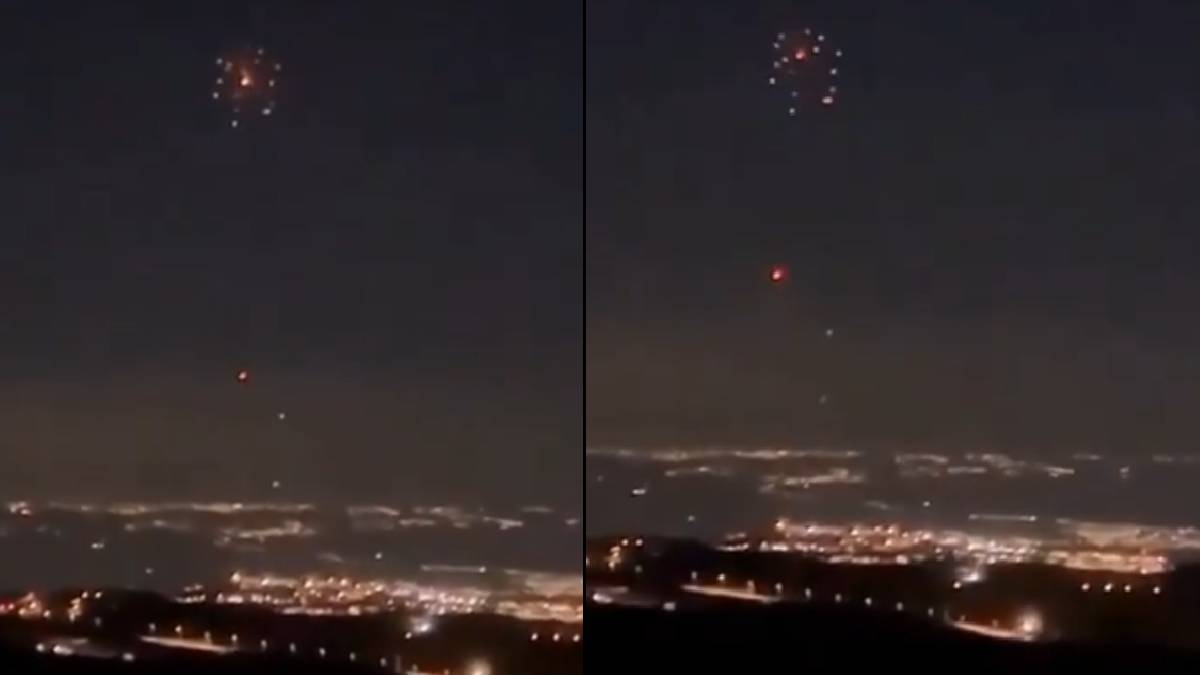
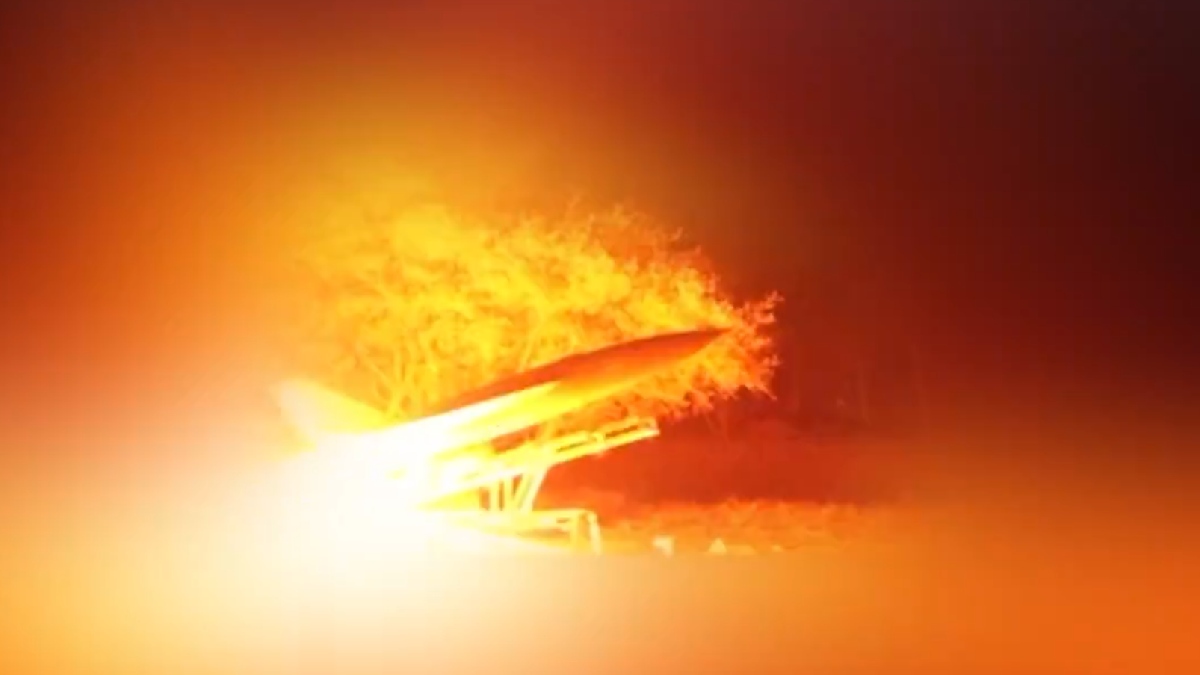
Iranian Islamic Revolutionary Guard Corps said it fired ballistic missiles at a U.S.-linked military base near Al Azraq in Jordan after the U.S. destroyed five Iranian oil tankers. Jordanian authorities said air defences downed 18 of 20 Iranian missiles, but two hit uninhabited areas. Jordan said no one was hurt, and a U.S. official said the Americans accounted for the strike as ineffective.
The missile strike came a day after US strikes on Iranian oil tankers. US Central Command said American forces sank five Iranian oil carriers when Iran’s Islamic Revolutionary Guard Corps fired ballistic missiles twice at a US Navy warship. Washington said the warship escaped unharmed and no Americans were hurt.
Then Iran went after non-military targets too. IRGC said it hit 10 ships near the Strait of Hormuz (two US ships and eight oil tankers). Tehran called the area “prohibited and unsafe” and warned shipping passing through the strategic waterway. Iran reportedly threatened tankers in Kuwaiti and Bahraini ports as well, so questions are being raised about the security of one of the world’s most important energy corridors.
In another dramatic twist to the confrontation, Iran said it had seized an American unmanned underwater vehicle at the entrance of the Strait of Hormuz. Iranian state media said it was a Dive-LD (autonomous underwater vehicle) made by Californian defence company Anduril.

🇺🇸🇮🇷 Another major escalation in the US-Iran conflict.
— Sumit Kapoor (@moneygurusumit) September 9, 2026
• U.S. destroyed 5 Iranian oil tankers
• Strikes included an area near Kharg Island
• Iran launched 20 ballistic missiles toward Jordan
• Jordan says 18 were intercepted
• Iran is threatening U.S. bases and Gulf… pic.twitter.com/pq9zC2gqOK
The Revolutionary Guards of Iran said the underwater system was an advanced American military asset and posted photos claiming to show the vessel they had taken. Dive-LD is used for minesweeping, seabed mapping, intelligence gathering and inspection of underwater infrastructure — Reuters reported that the about 19-foot-long vehicle can run for extended periods and is designed to go deep.
But the US downplayed it anyway. A Pentagon spokesman said the underwater drone had malfunctioned more than a day before while in regional waters; Washington said it was an older defective model and didn’t have classified sonar or radar systems or collect sensitive data. Reuters said it couldn’t independently verify Iran’s claim of capture.
The news also shook up global energy markets. Oil prices rose for a fourth day in a row as investors looked to see if more disruption was coming to crude flows through the Strait of Hormuz. Brent crude traded above $99.49 a barrel early in trade; US West Texas Intermediate crude around $94.63 a barrel.
The Strait of Hormuz is important because it’s one of the main routes for global oil and gas shipments. Long-term disruption to that route could affect energy prices, transportation costs, inflation, and growth in major economies
The latest escalation is also taking place as Iran-aligned Houthi forces attack the region. Houthis attacks on Saudi Arabian cities and energy infrastructure have added another layer of uncertainty to oil markets around the world. Shipping threats, attacks on energy infrastructure, and military confrontation between the US and Iran have increased the risk premium being priced into crude oil.
What financial markets are worried about is whether the confrontation stays contained or spreads across the Gulf. If disruption around Hormuz goes on for too long, energy prices could rise sharply and put more pressure on oil-importing economies.
The latest developments therefore are a major escalation of the war between Washington and Tehran. Missile attacks on a US base in Jordan and vessels around Hormuz; Americans seize a disputed underwater drone — confrontation is hitting military operations as well as commercial shipping and global energy markets too.
With Brent crude already at psychologically important $100 per barrel levels, markets will be looking for further attacks on tankers, US military assets in the Gulf, or shipping lanes. Escalation would have far-reaching consequences (oil prices and economic stability globally).