Thousands of passengers were affected by a major air traffic disruption in the UK which led to flight cancellations, delays and diversions across the country. An Air India flight from Mumbai to London was among those services affected by the disruption and was diverted to Zurich after operations at London Heathrow were severely disrupted.
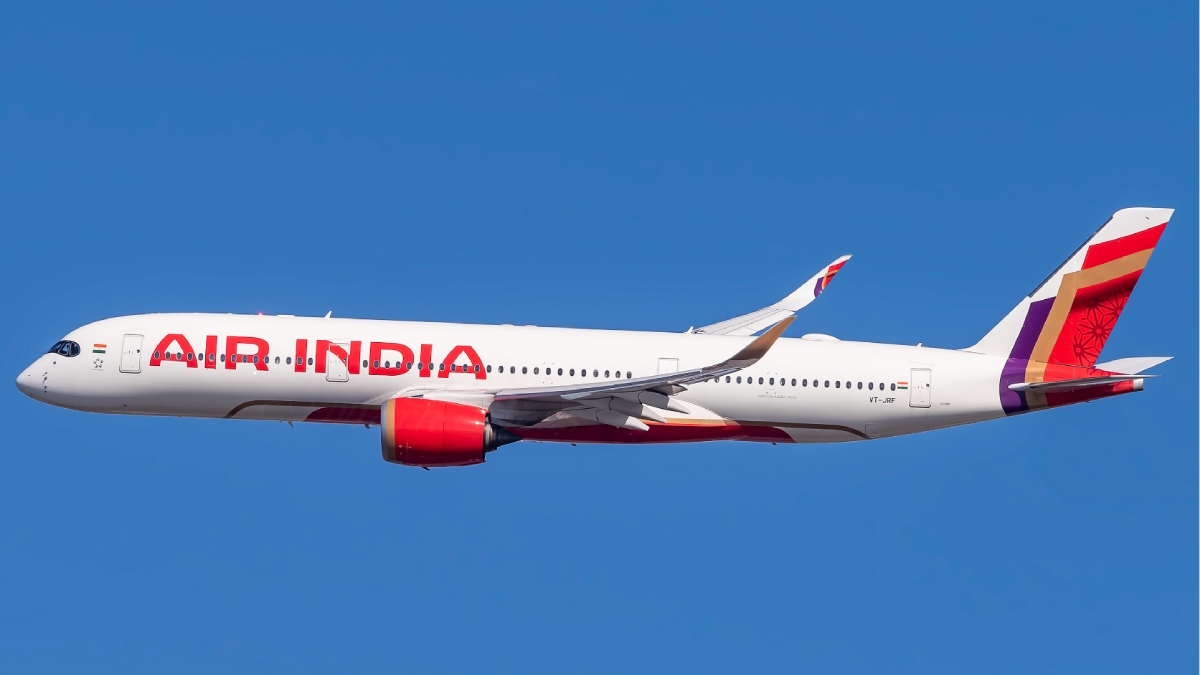
The Air India flight with more than 290 passengers landed at Zurich Airport after the technical problem grounded air traffic control in the UK. Passengers were kept on board the aircraft in Zurich while they waited for Heathrow to clear up but as disruption continued the flight was eventually cancelled and passengers asked to deboard at Zurich Airport.
The incident has added to the travel problems faced by passengers travelling between India and the UK. Air India later warned travellers that further delays could happen as the airline tried to deal with the impact of disruption across its network.
In a post on X Air India said flights to and from UK airports had been disrupted by a technical fault at NATS (UK’s air traffic control provider). It said multiple services had been diverted, delayed or cancelled because of the disruption.
Air India also warned that it could be more than flights serving directly to the UK that would feel the pinch because aircraft and crew were not in their planned positions (and so subsequent services too may be delayed as the airline tries to get back on its feet).

UK Air Traffic Control Failure Disrupts Flights
The disruption was caused by a technical glitch in the UK’s air traffic control system. Flight operations at several major airports were affected (London Heathrow was among them) but not all of them were disrupted.
More than 1,000 flights were reportedly cancelled at UK airports after the technical fault. Flight tracking service Flightradar24 said inbound flights to London airports as well as Manchester and Birmingham were “completely different” from normal operations.
The disruption cascaded through the UK’s aviation network. If air traffic control capacity is reduced or systems break down airlines may have to delay departures, hold aircraft, reroute flights or divert aircraft to other airports; later flights can also be affected because aircraft and crew are no longer in their scheduled locations.
For passengers cancellations and delays can continue long after the original technical issue has been fixed.
Heathrow Suspends Arrivals
London Heathrow Airport was one of the major airports hit by disruption. The airport said arrivals had been suspended for the rest of the day as a precaution to protect passengers and staff at the airport.
Although departures later resumed, Heathrow warned travellers that “significant disruption is expected to continue”. Passengers should check with their airlines directly for the latest information before travelling to the airport.
The suspension of arrivals was particularly damaging because Heathrow is one of the world’s busiest international airports. Capacity cuts at Heathrow can affect flights linking the UK to destinations in Europe, Asia, North America and elsewhere.
That’s why disruption was felt not just by those whose flights were due to land at Heathrow but also travellers on connecting services and flights leaving from airports elsewhere.
NATS Says System Issue Has Been Resolved
UK air traffic control provider NATS later said the technical problem had been fixed and its system was operating normally but that recovering from the disruption would take time because of backlog created across aviation network.
NATS said teams were working with airlines and airports to get normal operations back up and running. It called the recovery “complex” as impact had spread across wider aviation network.
Even after air traffic control systems return to normal airlines still need several hours to reposition aircraft and crew, re-accommodate stranded passengers and rearrange flight schedules so travellers can continue to experience delays and cancellations even after the original technical fault has been fixed.
For Air India passengers, the diversion of a Mumbai-London flight to Zurich shows how quickly a problem in one part of the aviation system can have international ramifications. Aircraft and crew may be displaced by the disruption (the airline has warned passengers that delays could continue on some other flights).
Travellers flying to or from the UK are therefore being asked to check flight status with their airline before going to the airport and be prepared for schedule changes as airlines and airports work through the backlog.