A video circulating widely on social media has sparked fresh concerns about misinformation during the ongoing Iran conflict after it falsely appeared to show captured U.S. Navy sailors. The clip, which has been shared thousands of times online since March 10, mimics a well-known 2016 incident involving detained American sailors, but experts say the footage clearly contains signs of artificial intelligence manipulation.
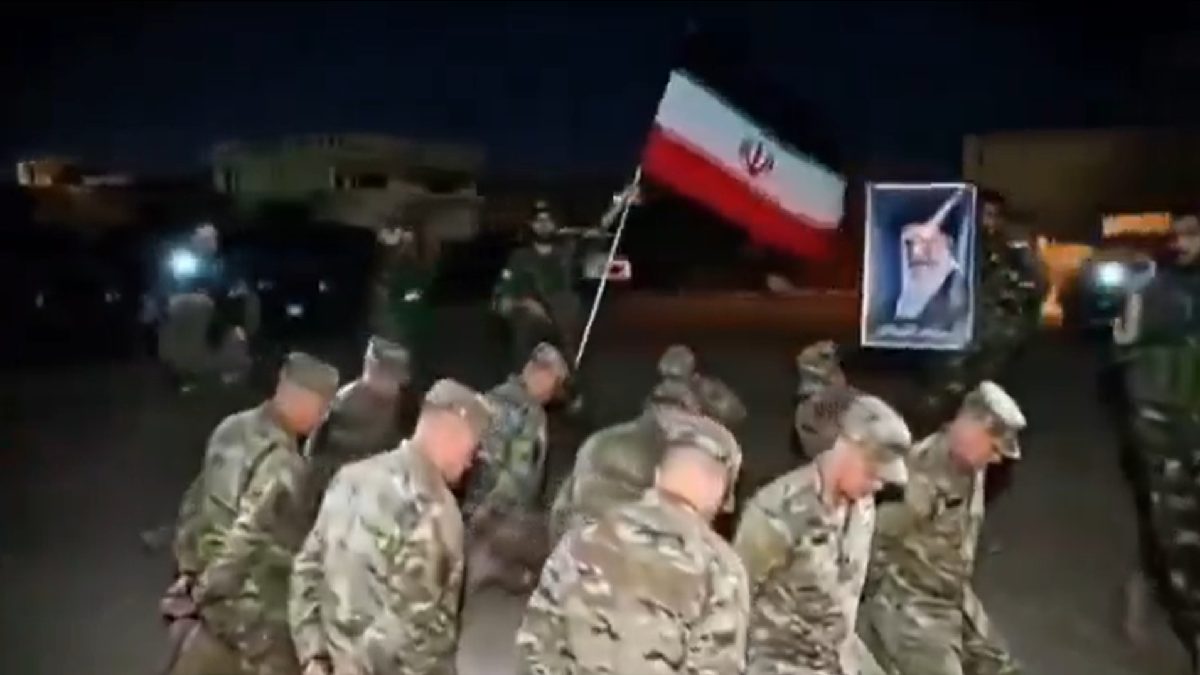
The viral video surfaced alongside unverified claims from Iranian sources suggesting that American personnel had been captured amid escalating military tensions in the region. However, the U.S. Central Command (CENTCOM) swiftly rejected the claims, describing them as false and misleading propaganda.
Analysts and digital verification experts who reviewed the footage noted several indicators that the video is likely an AI-generated deepfake. These include unnatural facial expressions, inconsistent body movements, and irregular lip synchronization—common flaws seen in manipulated media created using artificial intelligence tools.
The misleading clip appears to imitate imagery from January 2016, when Iranian forces temporarily detained 10 U.S. Navy sailors whose boats had accidentally entered Iranian territorial waters in the Persian Gulf. That incident quickly became a global news story before the sailors were released within a day.
🚨 JUST IN:
— Iran Mil Updates (@lran_prees) March 10, 2026
Iran has released a video of captured U.S. soldiers… pic.twitter.com/ITvJPEbc9W

By reusing a similar visual setup, the viral video attempts to give the impression that a comparable situation is unfolding during the current conflict. However, U.S. officials say no American sailors have been captured, and the circulating footage is fabricated.
The deepfake emerged during the second week of the escalating Iran war, which began after U.S. and Israeli airstrikes targeted Iranian military and nuclear-related facilities on February 28. Since then, the region has witnessed rising tensions, retaliatory strikes, and heightened military alerts across the Middle East.
Experts warn that the rapid spread of AI-generated misinformation can significantly complicate the information landscape during armed conflicts. Fake videos and manipulated images can influence public perception, create panic, and even impact diplomatic relations if not quickly debunked.
The situation is particularly sensitive as global markets remain on edge over potential disruptions to energy supplies. Military tensions around the Strait of Hormuz, one of the world’s most critical oil shipping routes, have already triggered volatility in global energy markets amid fears that the conflict could threaten crude oil transport.
Security analysts say that information warfare is becoming an increasingly important component of modern conflicts, with deepfakes and AI-generated propaganda playing a growing role in shaping narratives online.
As the conflict continues, authorities and fact-checking organizations are urging the public to verify information from credible sources before sharing viral videos or images, especially during fast-moving geopolitical crises.