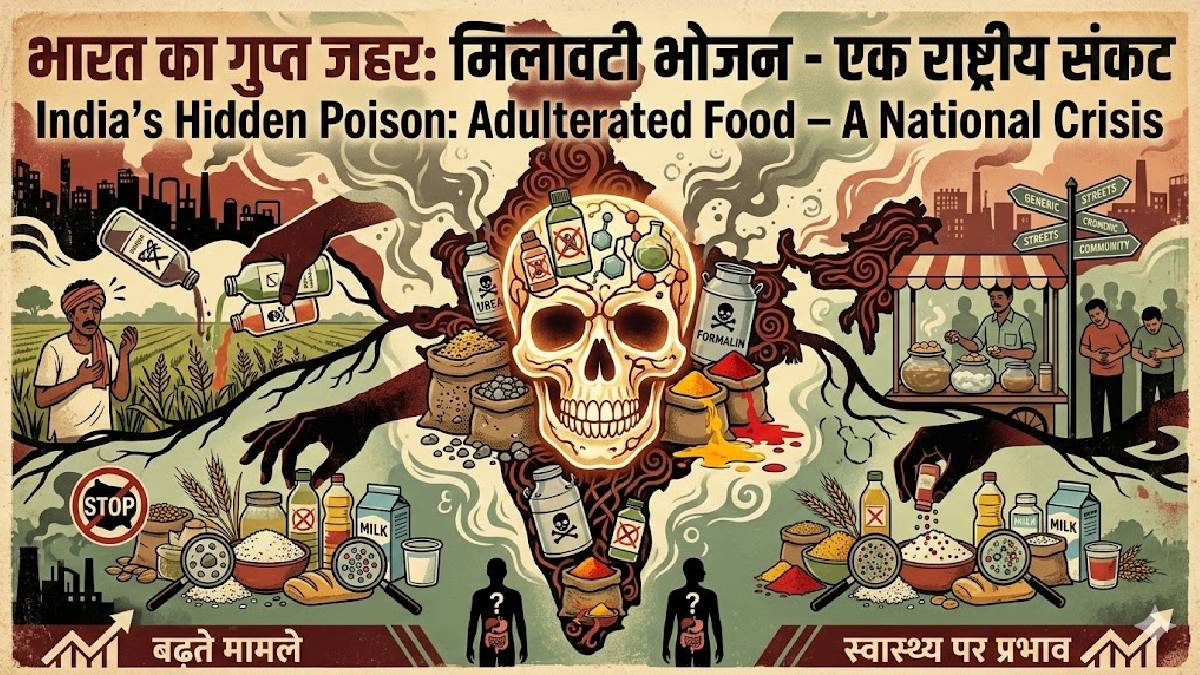
Street food thrives throughout India because of its flavor, cheapness and social allure. But we have some serious questions about hygiene and safety after an appalling incident. One recent video showed a street vendor washing his hands in chutney and then pouring the pani-puri filling with the same hands. There is public outrage and renewed debate on food safety rules in India triggered with this.
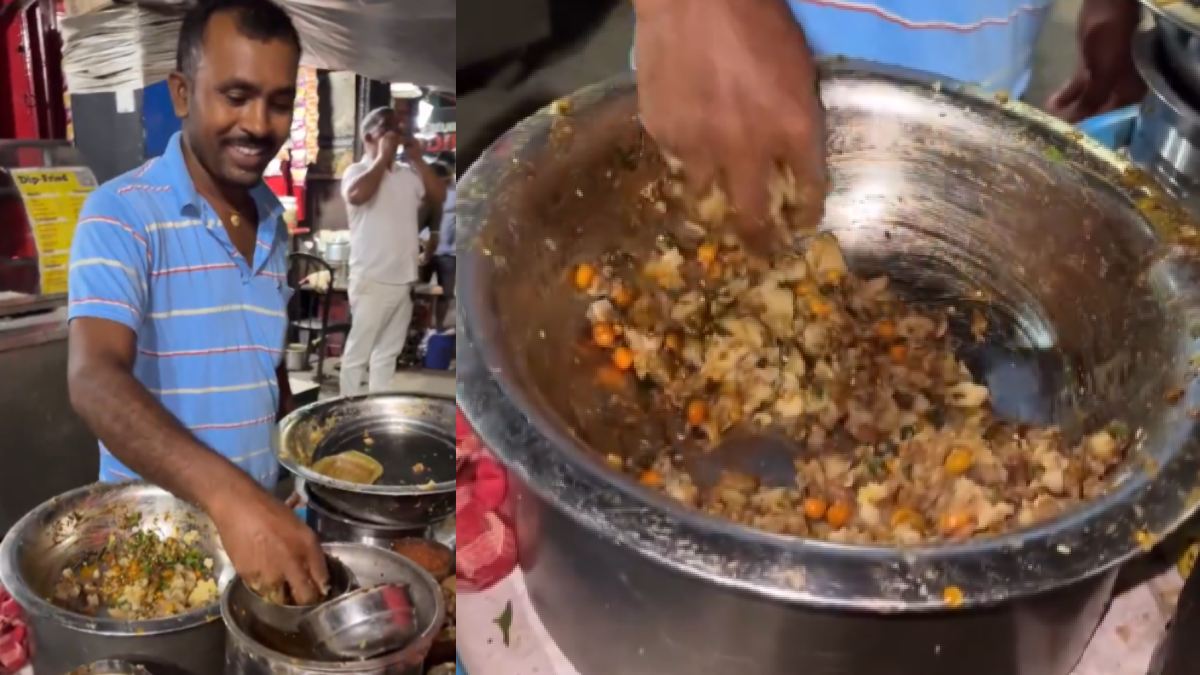
The viral video portrayed a vendor dipping one of his hands into chutney, not to serve but to wash it off, then using those very same hands to make pani-puri filling. Such practices are not only not hygienic but can be dangerous, as they can be used to spread dangerous bacteria and the resulting food poisoning. Many are left wondering how such vendors are permitted to operate without proper scrutiny.
India’s Food Safety and Standards Authority of India (FSSAI) is the Food Government of India's national body charged with food safety. Its role includes:
- Establishing standards for food hygiene and quality
- Conducting Licensing and Monitoring of Food Businesses
- Inspecting and ensuring compliance with safety norms
- Establishing safe food safety awareness initiatives
FSSAI has clear procedures, but enforcement at the street food level is often weak. Small vendors are often independent and have no permits, so consistent monitoring of hygiene is challenging.
Street food hygiene scrutiny of few- to none-year food distribution has multiple factors:
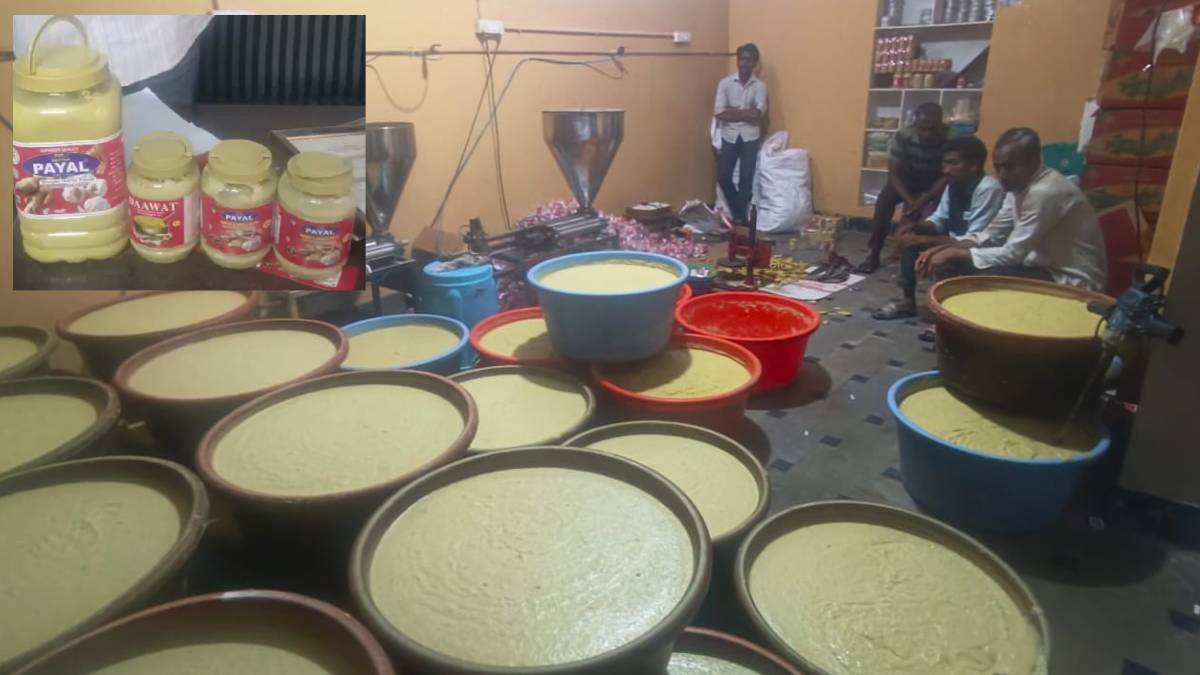
- Million vendors of street food in India – making regular checks a challenge
- Disorganized sector: Most of the vendors are not registered and run in the informal sector
- Resource Limitation: Municipalities often have lack of personnel to carry out regular inspections
- Public Demand: Street food is trendy and inexpensive, and officials balk at introducing strict measures that would jeopardize people’s livelihoods
Unsafe food habits could result in severe health problems such as food poisoning, stomach illnesses, and long-term diseases. The case underscores the desperate requirement for:
- More strictly enforced hygiene measures
- Training of vendors is provided for safety in handling food
- Public awareness campaigns to call for cleaner practices
The chutney incident has been a wake-up call about today’s state of street food hygiene in India. While FSSAI lays down the rules, enforcement has to be better in order to safeguard public health. Information is needed from vendors and consumers must ask where they eat. Street food still serves as a fine part of Indian culture but only if its security and cleanliness are taken seriously.