The global balance of power is moving in a new direction with more and more nations looking to build diplomatic, economic and strategic partnerships, and not merely rely on Washington.
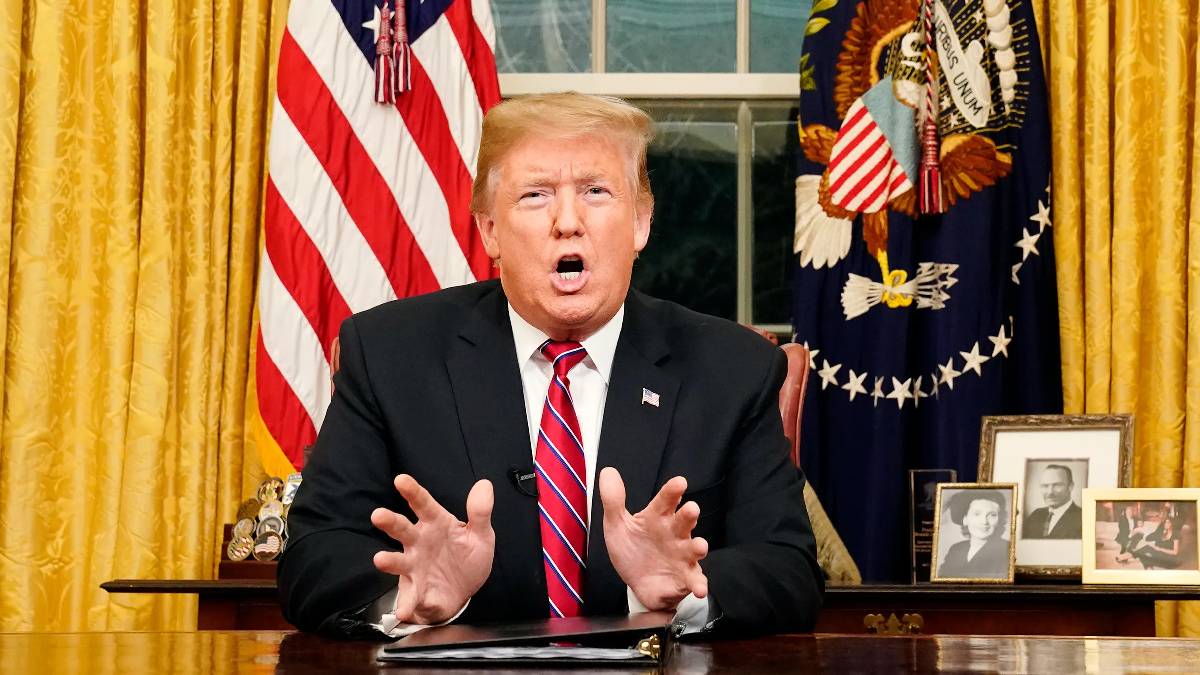
The United States is the largest military nation in the world and the strongest economic power in the world but as a result of the recent international situation countries are starting to diversify their alliances and avoid reliance on Washington.
This trend has been particularly evident in the rise of cooperation among emerging economies, expansion of regional trade agreements and deeper ties among countries in Asia, Africa, the Middle East and Latin America. And so are we seeing the United States slowly losing its position as the uncontested center of global diplomacy.
President Donald Trump, who is seeking another term in the White House, has repeatedly said that his “America First” perspective would restore U.S. dominance. But analysts say the world has changed considerably since he first took office.
Countries are now choosing pragmatic partnerships based on economic interests rather than traditional political alliances. BRICS and China have grown the most and China is still expanding its trade relations throughout the continent with infrastructure investment and long-term economic agreements.
On the other hand Europe is spending more and more on its own defense and strategic autonomy. NATO is still a cornerstone of Western security, but some European governments are seeking more independence in foreign policy decisions while following Washington’s lead.
Trump’s advisers and political allies have voiced concern that America’s leverage could weaken further if competitors continue to strengthen their partnerships. They say that restoring confidence from allies and keeping U.S. leadership will take a more assertive diplomatic approach.
Trump’s supporters see a chance that he can restore American influence with his negotiating style as a way to secure fair trade agreements, drive up defense spending among allies and take a more aggressive stance against geopolitical foes.
But critics say that years of political polarization, trade disputes and uncertainty in U.S. foreign policy have led a number of countries to hedge their bets by forming alliances. Now instead of just going to Washington and Beijing, several countries seek balanced relationships with many global powers.
Economic factors are also reshaping the international order. The growing use of local currencies in trade, investments outside the U.S. financial system and regional economic partnerships are gradually reducing dependence on traditional Western institutions.
Still, experts say it is not that America is being isolated. The United States is still the world's #1 technology, innovation, higher education provider and leading global economy. The U.S. dollar remains the world’s most dominant reserve currency, and American companies continue to play a key role in world GDP.
Instead, analysts view the current era as one in which the world has become more and more multipolar with influence being shared among several dominant powers and not all of them concentrated in one country.
How well Washington can adapt to this new world will be dependent on future diplomatic strategies, economic policies and the political winds blowing in its direction.
As global partnerships continue to change, the debate on America’s place in the shaping of the international order is likely to be the focus of world politics.