As security fears over the Strait of Hormuz have risen, Asian refiners are increasingly turning to U.S. crude oil amid increasing anxiety about it, trade sources said. That is a sign refiners are diversifying their sources of supply and minimizing the danger of disruption in one of the world’s most important energy shipping routes.
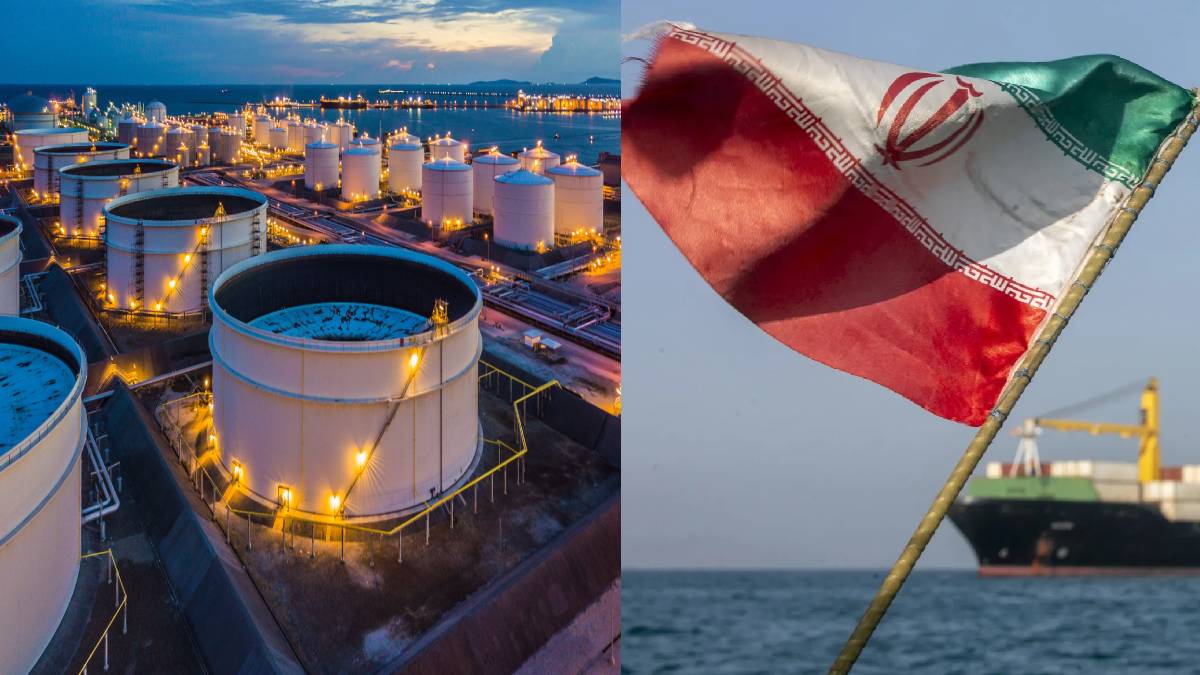
The Strait of Hormuz, between Oman and Iran, is an important maritime chokepoint through which roughly one-fifth of the world's oil supply passes. Any escalation in regional tensions or attacks on commercial vessels can disrupt shipments, increase freight costs, and create uncertainty in global energy markets.
Recent security incidents involving merchant ships in the Gulf have led energy companies as well as refiners in Asia to re-evaluate their business planning. By increasing purchases from the United States, refiners will ensure a more stable and diversified supply of crude oil and manage geopolitical risk by moving more oil to refiners in the USA and not only the Gulf region.
The United States is now one of the world’s leading oil exporters, buoyed by robust shale oil production and expanded export infrastructure. American crude has become more attractive to Asian customers in recent years as it is available, competitively priced, and reliable.
Most importing countries in Asia, including India, China, Japan, and South Korea, as well as the rest of the world, are dependent on imported crude oil to supply their energy needs. Diversified supply chains for energy supply have become a strategic priority as the global energy market remains highly influenced by geopolitical developments from an international perspective.
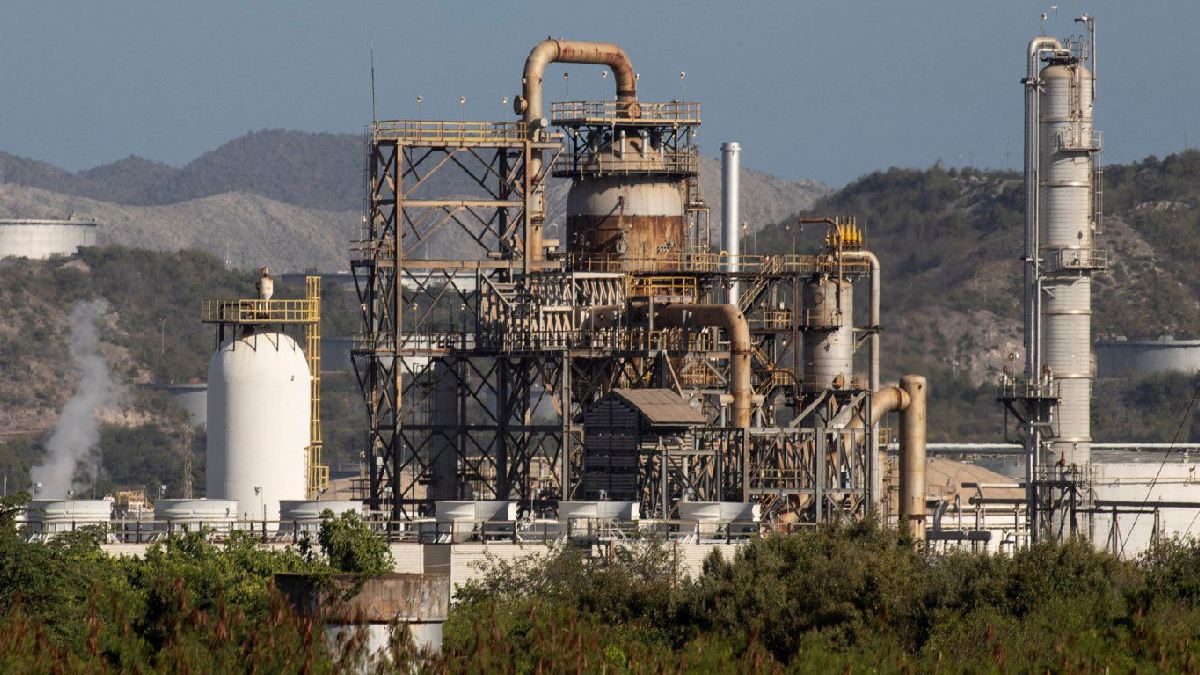
Industry analysts say that although U.S. crude typically involves longer shipping distances than Middle Eastern products, maritime security and potential outages in the Gulf can outweigh higher transportation costs. Additionally, diversification reduces reliance on any single region and is good for importing countries.
The increased demand for U.S. crude could alter global trade flows, with more American oil cargoes going to Asian markets and Middle Eastern producers looking for alternatives. That shift in freight rates, refining margins, and regional crude prices might reflect.
Global oil prices are still highly sensitive to geopolitical events in the Middle East. A long-term disruption in shipping through the Strait of Hormuz could lead to a tightening in global supplies and drive up energy prices, which in turn would affect transportation costs, manufacturing, and inflation worldwide.
To the energy sector, secure maritime trade routes are critical for global economic stability, they say. Both governments and shipping companies continue to monitor developments in the Gulf and have taken measures to protect commercial vessels operating in the Gulf.
Asian refiners’ evolving procurement strategy is also in line with trends in the global energy market where flexibility and diversification are becoming more important. The companies are assessing commercial factors such as crude quality and pricing, along with geopolitical risk factors, when they are buying it.
Since there is uncertainty about the Strait of Hormuz, it is expected that the demand for alternative crude suppliers—including the United States—will remain strong. At a time when geopolitics, maritime security, and global energy trade are increasingly intertwined, the situation highlights the importance of resilient supply chains for the world economy.