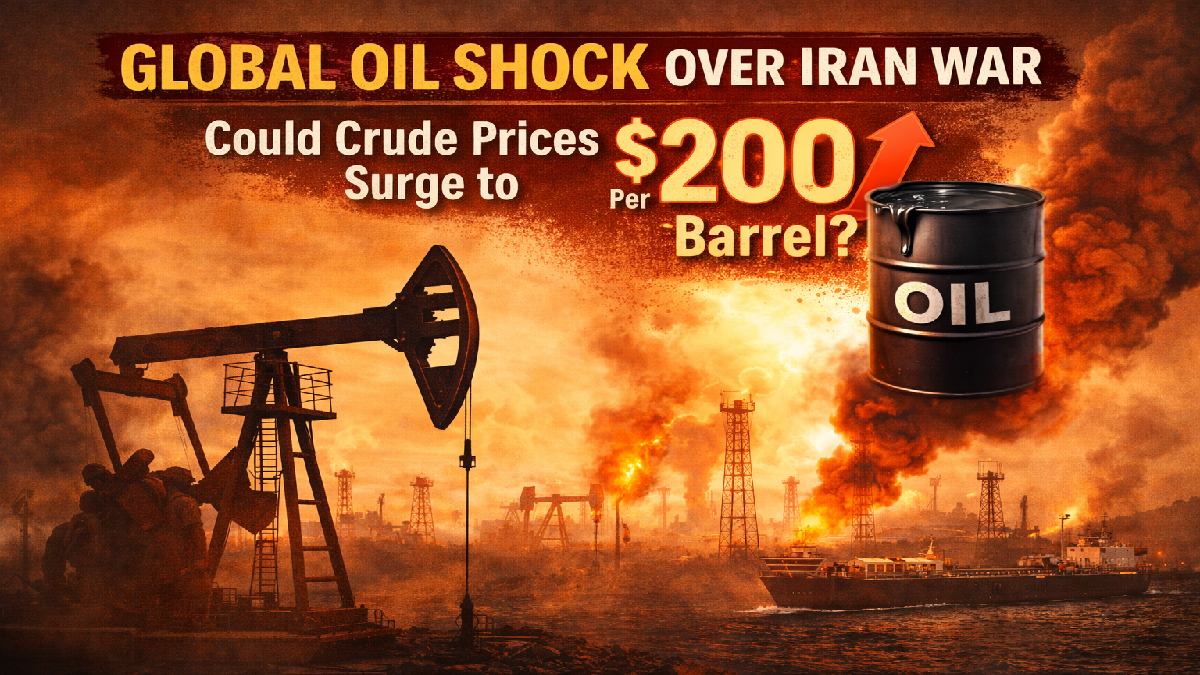
If global geopolitical tensions escalate, global oil prices could surge and rise to $150 per barrel (news and analysis) in the worst case scenario (Rystad Energy). The warning comes as we are seeing ongoing regional conflicts that are expanding and disrupting key oil supply routes and threatening global security and economic stability.
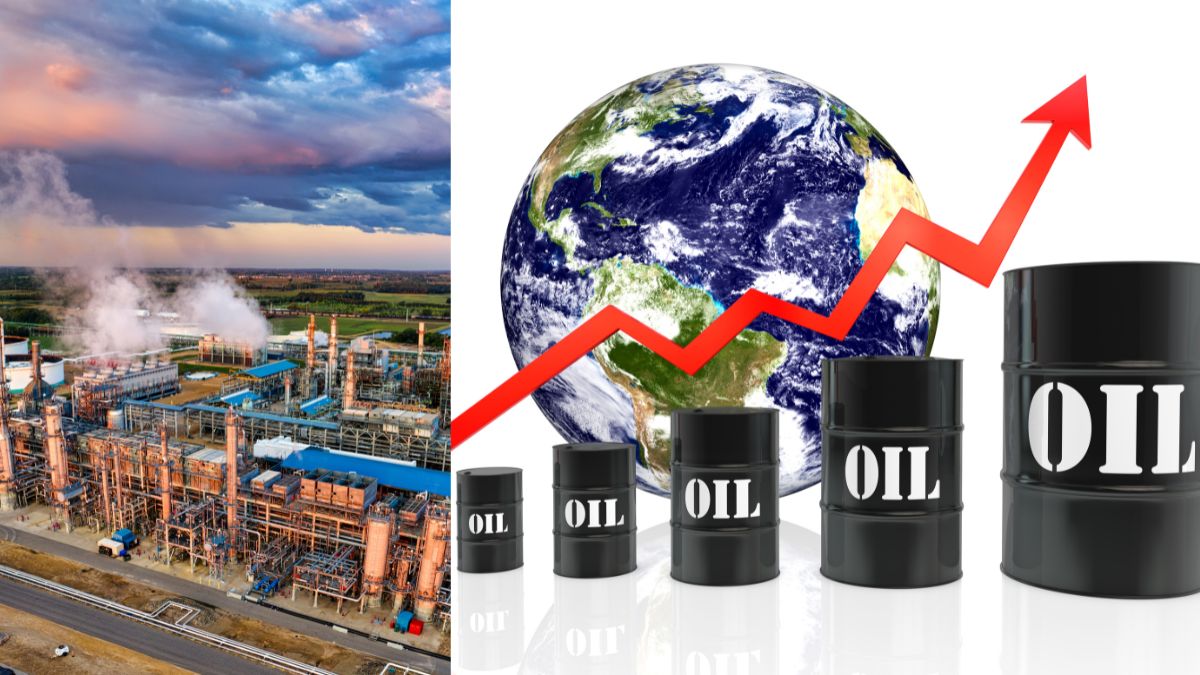
Rystad Energy's latest assessment illustrates the vulnerability of global oil markets to developments in one of the world's most important energy-producing regions. West Asia accounts for a big part of the world’s crude oil production and exports worldwide, and any disruption in the West Asia region is much more than a matter of global concern.
A wider military war and a global war on the fields of oil production, transportation or shipping are likely to have a big impact on production facilities in the region and the transportation system and shipping routes that are vital to supplies of energy for most of the world.
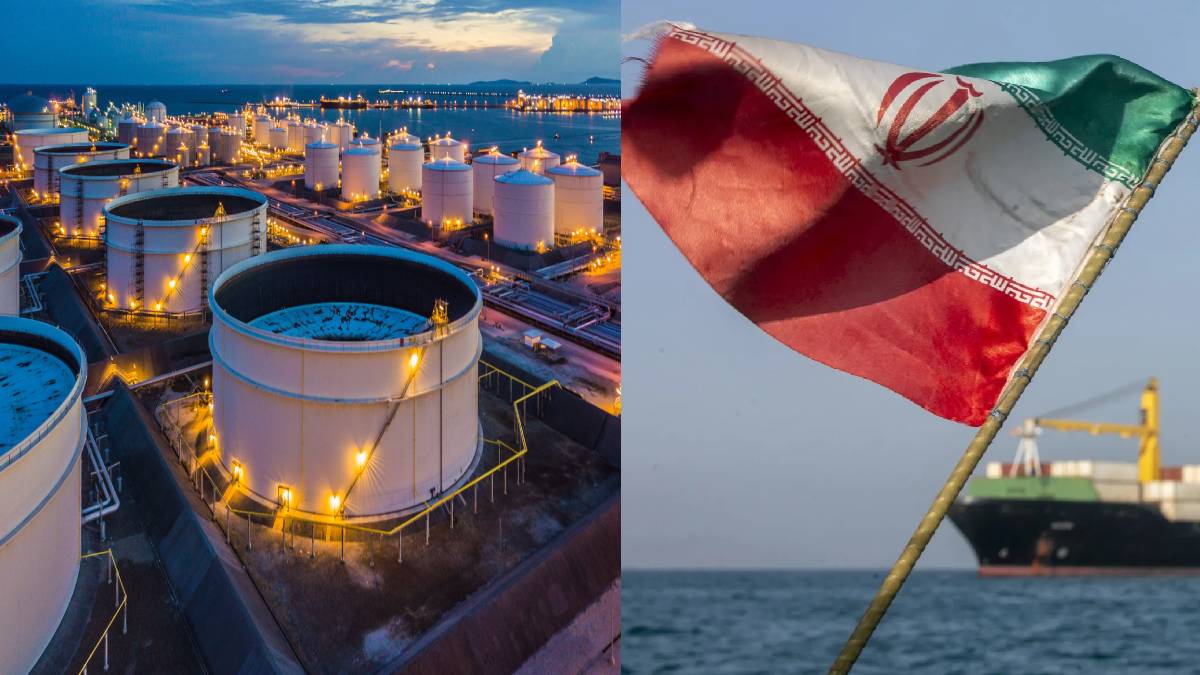
The Strait of Hormuz, the narrow waterway through which almost one-fifth of the world's oil production passes each day, is a crucial transit point for oil shipments from major producers such as Saudi Arabia, Iraq, Kuwait, the United Arab Emirates and Iran. If oil shipping from the Strait of Hormuz is disrupted, immediate shortages of oil will come to the fore and prices in the world will rise quickly.
According to Rystad Energy, crude oil prices could rise even if there is no supply-side disruption if market participants start pricing in geopolitical risk. Investors and traders closely monitor the situation in the region, and fears of increased conflict will drive higher oil prices because of the possibility of future supply shortages. In a severe supply and demand disruption to exports or infrastructure, prices could exceed $150 a barrel - not something we’ve seen since periods of major global energy crises.
The consequences of such a surge would be felt far beyond the energy domain. Higher crude oil prices generally mean higher fuel costs, higher transportation costs and higher prices for goods and services. This can add to inflationary pressure on economies globally and increase costs for people and businesses, and is expensive. Central banks, in the process of balancing inflation against growth, might be under pressure as well.
In oil-related countries such as India, a sustained rise in crude prices may have a huge economic impact on oil-consuming countries. For India, which imports over 80 per cent of its crude oil requirements, this is why oil is so much more vulnerable to global energy market fluctuations. Higher oil prices could lead to higher import costs, a wider trade deficit, pressure on the rupee, and higher fuel/ commodity prices in India.
World markets are already in a challenging environment with low economic growth, inflation worries, supply chain issues and geopolitical uncertainty, energy experts say. A major escalation in West Asia would add another layer of volatility, not only with regard to oil markets but also with regard to equities, currencies and bond markets in markets around the world.
But the actual trajectory of oil prices will depend on how things go and if they get worse in the region. Diplomatic efforts, strategic petroleum reserves and potential production from other oil-producing countries would help mitigate some of the damage. But if tensions continue to escalate and key supply routes are compromised, $150 per barrel of oil could soon be attainable.
As world leaders keep a close watch on West Asia, energy markets are on guard as more and more global leaders monitor developments in West Asia. Geopolitical tensions remain on the boil in the coming weeks will be crucial to determine if geopolitical tensions remain contained or escalate into a broader conflict that could result in an all-out war, and would be harmful for the global economy and energy security.