C crude oil prices rose by almost 3% on Tuesday as geopolitical tension increased fears of supply disruptions were reinforced by new geopolitical tensions in the world’s energy market, and global crude oil prices rose about 3% as more tension in global energy markets led to elevated fears of potential supply disruption to energy supplies.
We are finding global markets in a state of increasing uncertainty as traders watch for developments in terms of crude production, transportation routes, and overall supply and oil demand.
Oil prices of around $1.25 per share rose, but a global market of geopolitical tension was at odds with the market itself and global energy security in a global trade show of increasing uncertainty.
Brent crude, the international standard of oil prices, and West Texas Intermediate (WTI), the main U.S. benchmark of oil prices, both posted gains in trading. Investors were worried that increasing geopolitical tension in key energy-producing countries could lead to a shortage of oil in global markets and the market prices for oil have been driven up.
The global oil market is particularly sensitive to geopolitical events because a large proportion of the world’s crude oil production and exports is politically volatile. Any uncertainty about major producers, shipping channels, or strategic infrastructure can quickly affect the market and the price of oil and lead to price fluctuations.
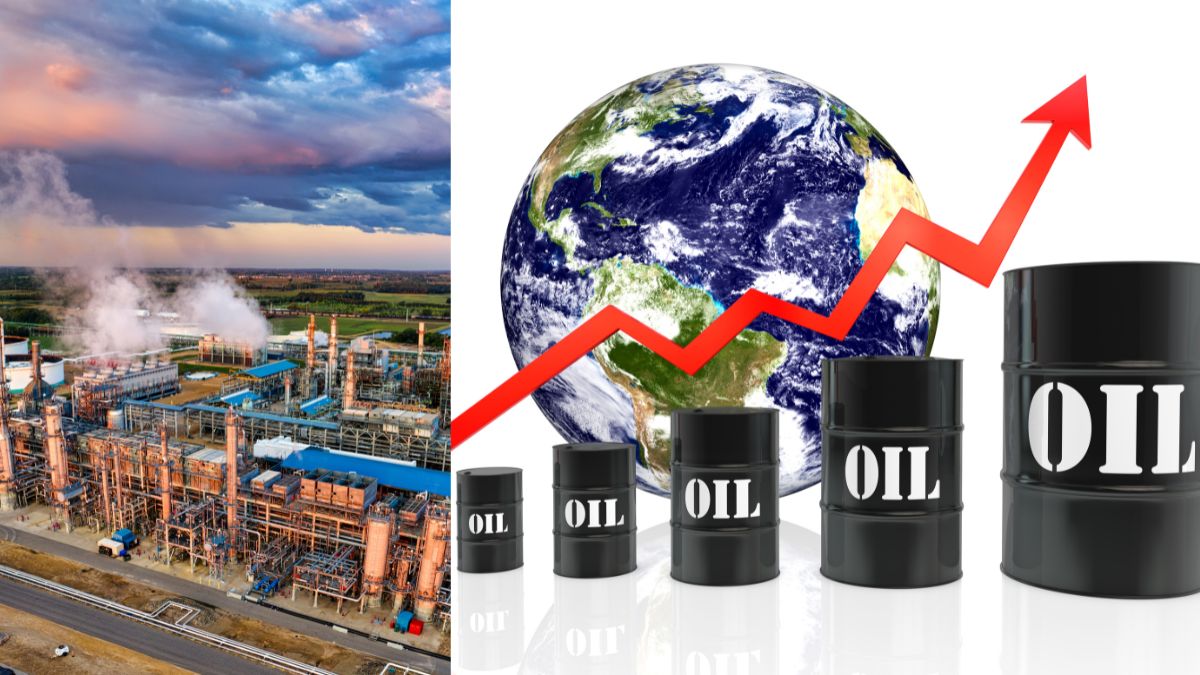
Market participants closely watch developments in the Middle East, where any increase in tension has the potential to affect shipping through important maritime routes. Important trade corridors carry millions of barrels of crude oil every day and any disruption in these trade corridors can influence futures markets as traders assess the risks of potential supply disruptions.
As well as geopolitical conditions, oil prices are influenced by global demand, production decisions of oil producers, inventory levels, exchange rates, foreign currency movements and worldwide economic conditions.
The increase in oil prices is already illustrating geopolitical uncertainty and its effect on prices may be enough to temporarily outweigh concerns of slower economic growth or lower fuel demand in some markets.
Higher crude oil prices often have wide-ranging economic implications because oil is still a key input in transportation, manufacturing, aviation, agriculture, logistics and industrial production. Rising energy costs can increase operational expenses, which could eventually be reflected in the prices consumers pay for goods and services.
Economists say that sustained increases in oil prices can contribute to inflationary pressures as they raise fuel costs, freight charges, and production costs. Central banks monitor energy prices regularly as part of their broader inflation-related monitoring because long-term increases may lead to monetary policy action, such as interest rate hikes.
In countries that depend on imported crude oil, higher international prices can have a dramatic effect on trade balance and import costs. India, one of the world's largest crude oil importers, is especially exposed to fluctuations of global energy markets.
Rising crude prices could affect domestic fuel prices, government expenditures on energy-related subsidies where applicable and the overall current account balance.
At the same time, oil-exporting countries will be able to profit from stronger crude prices if they can export more, but the quantities of oil that they produce and what kind of demand will be for them will also be affected. International organizations and energy organizations are still watching and checking the situation to measure its effect on the global economy.
Energy analysts believe that volatility will be around until more clarity on the geopolitical situation is reached. Oil markets generally respond not only to confirmed disruptions but also to the possibility of future supply constraints. Therefore oil prices are governed by geopolitical events, diplomacy and official statements from governments and world organizations.
Another important factor affecting oil markets is the production policy of the Organization of Petroleum Exporting Countries (OPEC) and its allies (OPEC+). Production adjustments by major oil producers can either offset or amplify price movements triggered by geopolitical events. As such, traders keep watching news about production targets along with geopolitical events.
Investors pay close attention to global economic data (manufacturing activity, industrial output and transportation demand) as they influence long-term oil consumption. If economic growth is still robust, demand for crude oil may support prices, despite the market uncertainty.
Consumers and businesses may feel the impact of higher oil prices through higher transportation costs, higher logistics costs and even higher prices for petroleum-based products. Air transportation, shipping, chemicals and road transport are particularly sensitive to changes in energy prices.
While short-term price spikes are not unusual during periods of geopolitical uncertainty, market experts say whatever happens to prices will depend on how the situation is changed and what is happening in the world economy and how much more stability there is in the world's supply chain, and the production decisions taken by the big exporters and the overall economy. If there is no major disruption of production or transportation infrastructure, prices may stabilize.
The recent rise in crude oil prices serves as a reminder of the interconnected nature of global energy markets and international politics. As governments, businesses and investors continue to track developments, stable energy supply will remain a key priority for supporting global economic growth and ensuring market confidence.