The escalating conflict involving Iran has triggered fresh fears of a global oil supply shock, raising a critical question for governments, markets, and consumers worldwide: Could crude oil prices climb to $200 per barrel? Energy markets are already reacting sharply as tensions in the Middle East threaten key oil infrastructure and shipping routes.
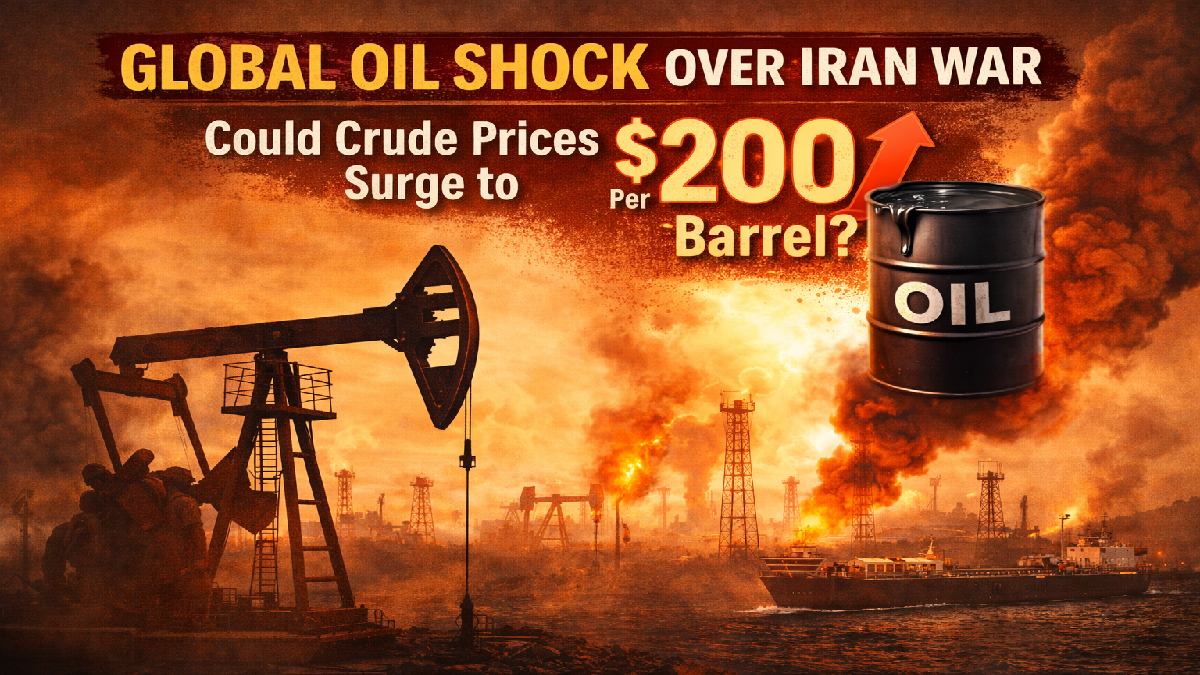
Oil prices have surged in recent weeks as traders price in the risk of disruptions to supplies from the Persian Gulf. Brent crude has climbed close to $90 per barrel, with analysts warning that the market is factoring in the possible loss of millions of barrels of daily production if the conflict worsens.
Why Iran Matters to Global Oil Markets
Iran sits at the center of one of the world’s most important energy chokepoints the Strait of Hormuz, a narrow waterway through which a huge share of global oil exports pass. Experts estimate that roughly 20% of the world’s traded oil moves through this corridor, meaning any disruption could immediately push prices higher.
If the strait were closed or tanker traffic significantly reduced, the global energy market could face a sudden supply shortage. That scenario alone could send oil prices skyrocketing in a short period of time.
Why Some Analysts Warn of $200 Oil
Several market analysts believe that in a worst-case scenario such as large-scale attacks on oil facilities or a prolonged blockade of the Strait of Hormuz crude oil prices could surge dramatically. Some projections suggest prices could rise above $150 or even approach $200 per barrel if a significant portion of global supply is disrupted.
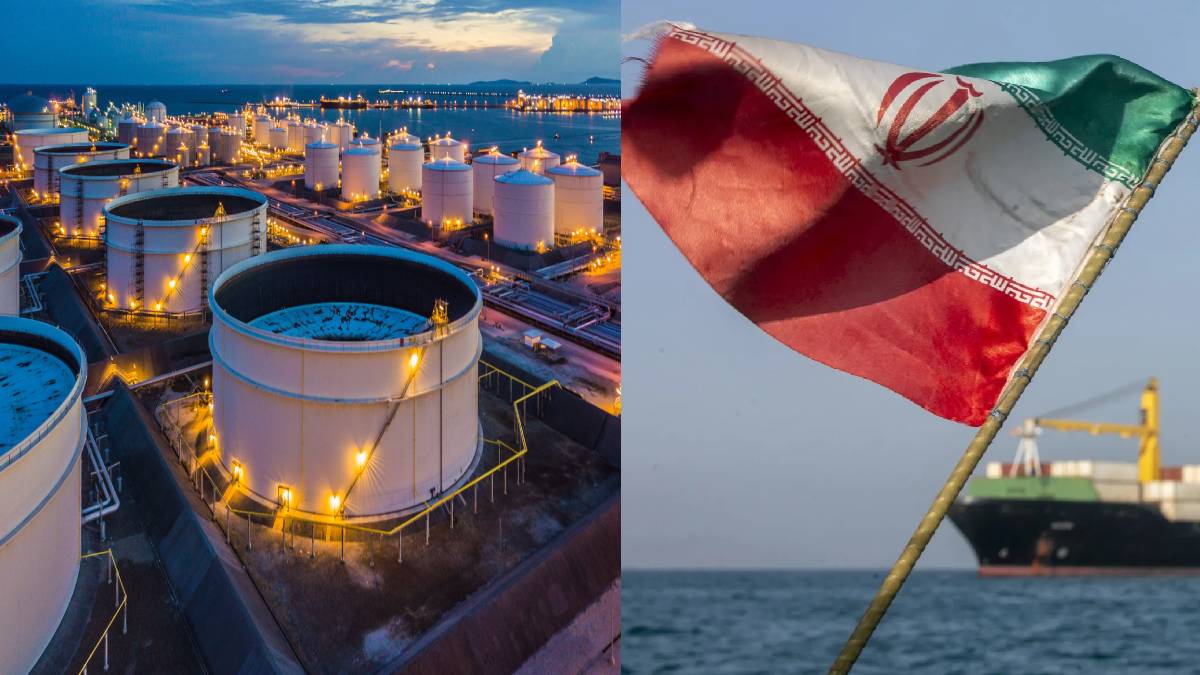
Recent geopolitical threats have already raised alarms. Iranian officials have warned that escalation could send crude prices above $200 per barrel, highlighting the scale of potential market panic if energy infrastructure across the region becomes a target.
Current Market Reality
Despite these fears, many economists say a $200 oil price remains an extreme scenario rather than the most likely outcome. Global oil markets still have some buffers, including spare production capacity from OPEC members and large global inventories that can temporarily offset disruptions.
Some ratings agencies argue that even with tensions rising, oversupply in global markets and alternative export pipelines could limit the scale of price spikes in the near term.
Impact on the Global Economy
Even a smaller price surge could have major consequences. Economists warn that oil rising to $90–$100 per barrel could push inflation higher worldwide, raise transportation and manufacturing costs, and slow economic growth.
Countries heavily dependent on imported energy such as India, Japan, and many European nations would be especially vulnerable to prolonged high prices.
What Happens Next
The direction of oil prices will largely depend on how the conflict unfolds in the coming weeks. If tensions ease or shipping through the Strait of Hormuz continues uninterrupted, prices could stabilize. However, if attacks spread to oil fields, refineries, or shipping routes, the world could face one of the largest energy shocks since the 1970s oil crisis.
For now, markets remain on edge, with traders closely watching every development in the Middle East. Whether oil reaches $150, $200, or stabilizes below $100, one thing is clear: the Iran conflict has placed the global energy system on high alert.