Bangladesh has curbed shopping hours and the time of public events as part of a government campaign to save electricity. The initiative was introduced to minimize power consumption and control demand at peak times.
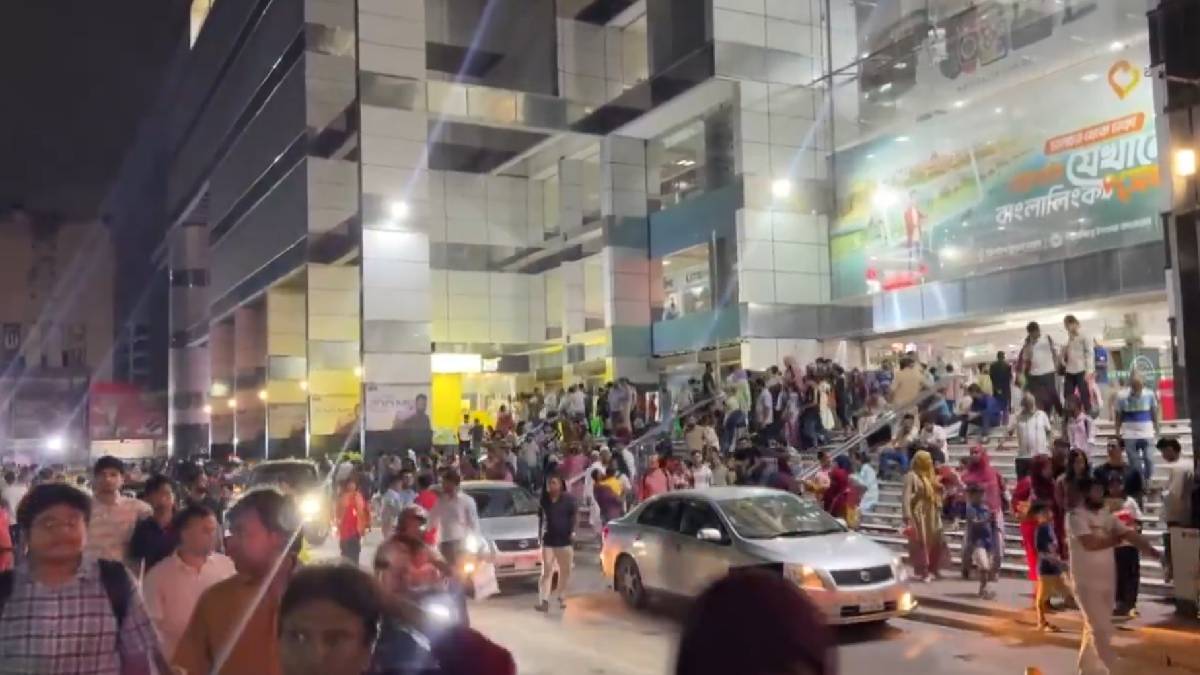
Shopping activities will have to end earlier, and organisers of ongoing and upcoming trade fairs and cultural events in the country will also have to finish their events by 8 pm, as part of the new directive.
The government's decision would help to curb electricity consumption in evening hours, when demand usually rises as businesses, homes and public venues use lighting, air-conditioning and other electrical equipment.
The restrictions cover a wide range of commercial and public activities. Trade fairs and cultural events, which often bring large crowds and take place into the evening, will now have to adjust their schedules to comply with the government’s conservation measures.
Organisers of events going on have also been asked to finish the programme by the 8 pm deadline. The timing of events to occur in the future will also be affected; they will have to account for it.
But the government has made exemptions for essential services. Restaurants, hospitals, pharmacies and other essential establishments will not be subject to the same restrictions, so critical services can continue operating beyond the stipulated hours.
The exemptions are intended to ensure that the electricity-saving campaign does not disrupt essential public services. Hospitals, in particular, require uninterrupted power for medical equipment, emergency care and patient services, while pharmacies provide access to medicines and other essential healthcare products.
Restaurants have also been exempt, so the hospitality sector still serves customers at night. This exemption is in light of the economic importance of the sector and of the practical problems in imposing an early closing time on food establishments.
The new measures illustrate the difficulty Bangladesh has in balancing electricity demand with available power resources. Managing the electricity system in peak hours can relieve pressure on the system and help the authorities to manage supply.
The change in operating hours for retailers and businesses could involve personnel arrangements, customer schedules, and daily operations for changing the working hours of a retailer and business. Shopping centres and commercial establishments could change their operation to bring in business earlier before the late closing time in order to maximise business before the earlier closing hours.
Event organizers will also have to adapt their programmes. Cultural performances, exhibitions, trade fairs and other public gatherings traditionally draw visitors in the evening, and so the new 8 pm deadline could affect the way people visit and how events are arranged and scheduled.
Bangladesh cuts shopping hours to conserve electricity.
— News Arena India (@NewsArenaIndia) August 14, 2026
The government has also instructed organisers of ongoing and upcoming trade fairs and cultural events across the country to end programmes by 8 pm.
Restaurants, hospitals, pharmacies and other essential services are exempt… pic.twitter.com/I90t7VHwG5
The government’s conservation campaign also focuses on responsible electricity use among consumers. Businesses and householders might be encouraged to avoid unnecessary lighting and use less energy-intensive appliances during times of high demand.
Electricity conservation is often introduced when authorities need to keep supply to a minimum and demand under control. In the case of peak demand, governments can try to minimize the strain on power infrastructure by reducing consumption.
Public shopping and participation in some events will need to be tailored around those new schedules as the new restrictions have come into effect. At the same time, essential services will be available for healthcare, medicines and other critical needs not affected by the early closing measures.
The government’s decision is more about energy consumption as a demand driver than it is about barriers to accessing essential services. And while the programme is a long way off having commercial and consumer support for it, the successful outcome will depend on businesses, event organisers and consumers.
As Bangladesh pushes for electricity conservation, authorities will monitor consumption patterns to see if the ban is working to help reduce evening demand. More could be done based on electricity availability and the country’s power needs.
For now, the requirement to conclude trade fairs and cultural events by 8 p.m. and shorter shopping hours is a huge change to commercial and public life in Bangladesh. The exemptions for hospitals, pharmacies, restaurants and other essential services are to make sure that the conservation effort does not interfere with daily activities.