Bangladesh is in the midst of one of the year’s deadliest flood disasters with torrential rains and overflowing rivers killing at least 51 people and wounding 39 others.
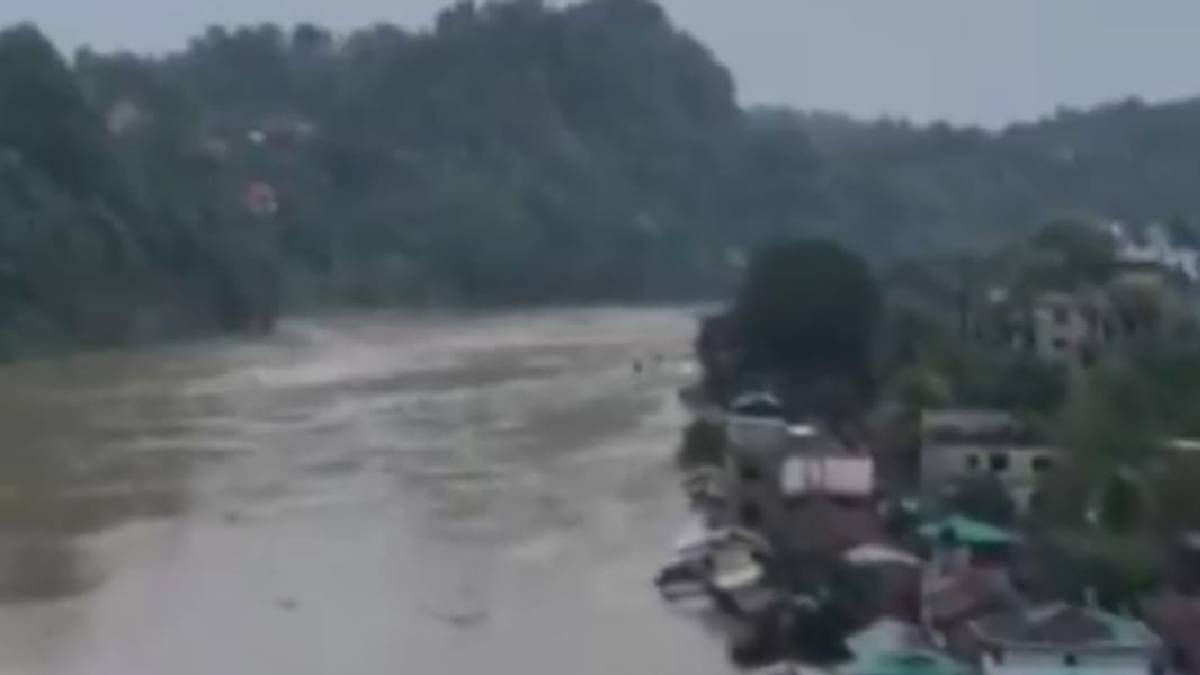
Heavy rains and overflowing rivers have inundated parts of a number of districts and forced thousands of families to flee and seek refuge in safer places to escape the deluge.
The heavy rain has flooded villages, towns and agricultural fields with high water levels over the past couple of days. Floodwater inundated homes, schools and markets and disrupted daily life and damaged vital infrastructure (roads and bridges).
Emergency responders and local volunteers have been on the job since last Friday to reach stranded residents. Boats have been sent out to flooded towns where floodwater has closed roads. Family members of those already in temporary shelters who need food, water, medicines and emergency supplies are moving them in.
The deaths were caused by drowning, collapsing houses, and landslides caused by torrential rains, officials said. The victims were caught up in fast moving floodwater that overwhelmed them as they tried to escape, they said. Hospitals in areas where many of the victims were injured are still treating dozens of people, many of whom are now in critical condition.
The disaster has hit agriculture hard as thousands of hectares of farmland are inundated by water.
At least 51 killed as Bangladesh braces heavy rain, flood, landslides#Bangladesh pic.twitter.com/Zg8wn3tTnv
— naseerkhan (@naseerk4216518) July 12, 2026
Crops near harvest are in danger of being lost and farmers’ incomes will suffer financial losses and food supplies will be disrupted in the next couple of months. Livestock losses in other districts are also being felt.
Educational centers have been temporarily closed in many flood-hit areas and transportation services have been disrupted as highways and railway tracks have been inundated. Power outages and communication issues can also be a big problem for rescue agencies.
The Bangladesh government has launched emergency relief efforts to respond to the disaster and allocated funds for rescue and rehabilitation efforts.
Residents living near rivers and in low-lying areas should be on high alert as more rainfall is expected to befall them next week, disaster management authorities said.
Experts say continued heavy rains are going to exacerbate the flood situation, especially in the northern and northeastern regions of the country. People should follow evacuation orders whenever issued, authorities have advised.
Thanks to the low-lying nature of Bangladesh’s geography and extensive river network, Bangladesh experiences severe flooding almost every year, experts say, and climate change-related disasters are making such disasters more frequent and destructive.
As floodwaters continue to pour through the country, humanitarian organizations are organizing for disaster relief efforts to expand to reach the poor and those in the most vulnerable areas.
The immediate focus is the rescue of stranded residents, medical treatment and clean drinking water and sanitation facilities to prevent disease outbreaks.
Long-term recovery is the repair of damaged infrastructure and rebuilding of livelihoods, so flood preparedness will be enhanced to minimize the impact of future disasters.