Bangladesh President Mohammed Shahabuddin will resign on Friday, halfway through his five-year term, his spokesperson said, in a move that could further change the country’s political landscape months before former Prime Minister Sheikh Hasina is expected to return from exile.
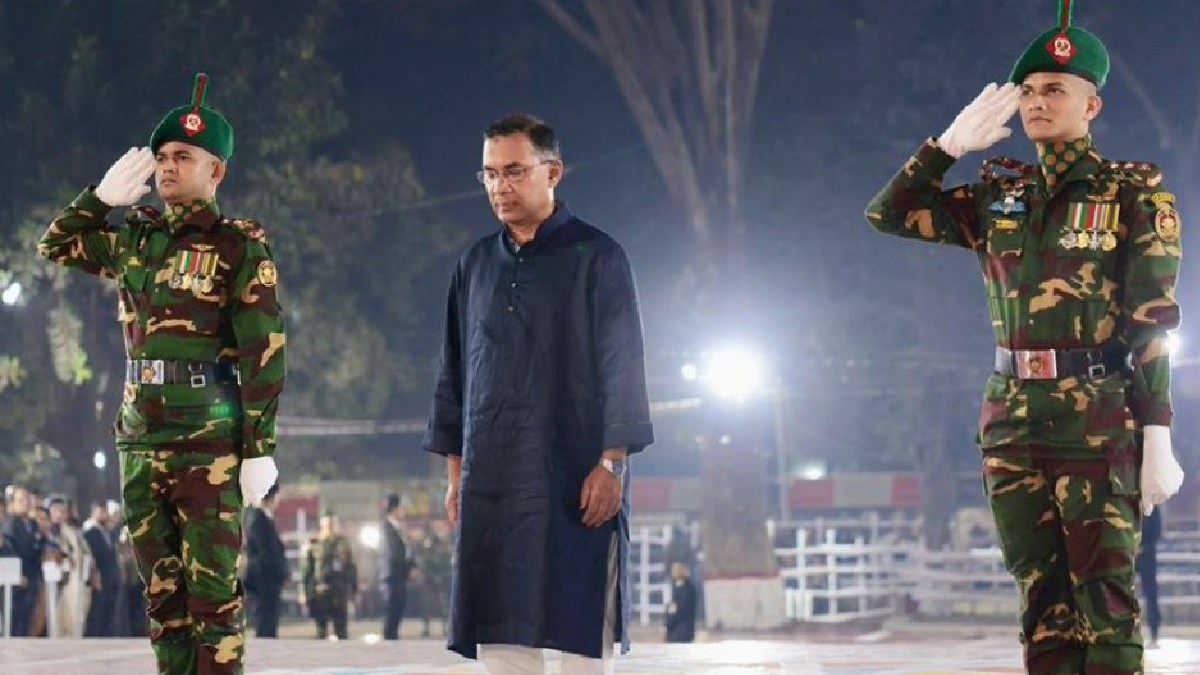
Shahabuddin, 76, was elected in 2023 unopposed as a nominee of Hasina's Awami League party. He is Bangladesh's head of state and commander-in-chief of the armed forces but his role is now largely in the hands of the prime minister and cabinet.
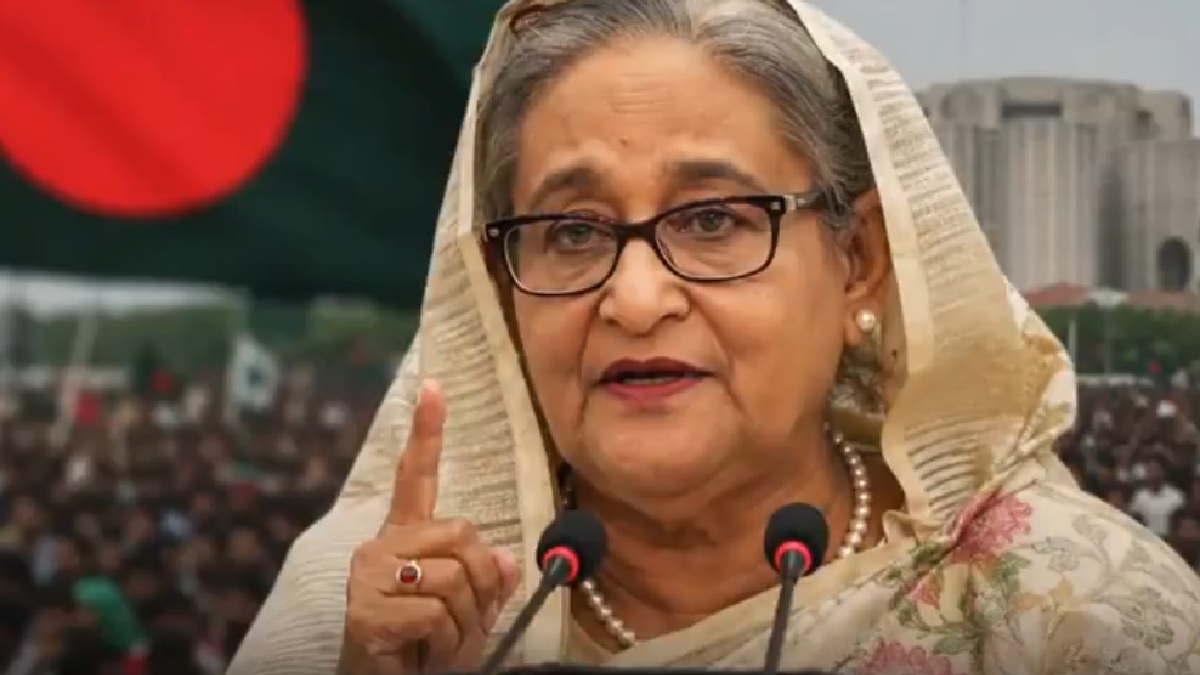
His resignation came days after Hasina said she would return to Bangladesh and surrender after her conviction by a war crimes court. The former prime minister, who is currently living in exile in India since she fled Bangladesh in August 2024, has denied the charges against her.
The decision to step down will leave Hasina without a political ally in one of the country’s highest constitutional offices. Her Awami League party has since been banned and a number of its senior leaders and activists have been arrested or forced into hiding after the deadly student-led uprising that brought down her government.
Shahabuddin's spokesman Sarwar Alam said the president’s resignation will be effective after he formally submits a signed letter to the Speaker of Parliament.
"According to the Constitution, the president’s resignation becomes effective upon submission of a signed letter to the speaker,” Alam said.
The resignation letter is expected to be submitted after the Speaker returns from Thailand. In Bangladesh's constitution, the Speaker will be acting as interim president until a new president is elected.
The spokesperson did not give any reason for Shahabuddin's resignation but the government had placed pressure on him to quit because of the long-standing association with Hasina, said sources. The matter became even more important recently, since the former prime minister had publicly said she wanted to return to Bangladesh.
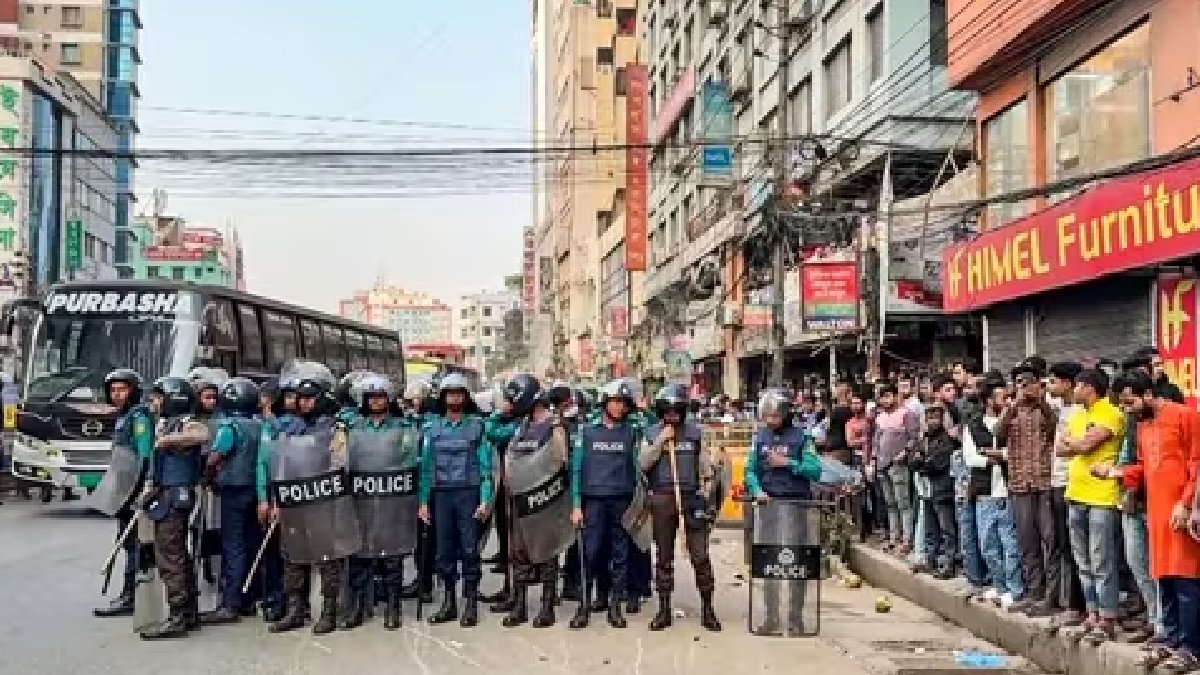
The political development comes at a sensitive time for the country. Bangladesh has been rocked by political turbulence since Hasina’s government was overthrown in 2024 after months of protests.
Prime Minister Tarique Rahman, who won a landslide victory in the February election, now leads the government. It has been trying to restore political stability in the country, a country of 173 million people and one of the world’s largest garment-exporting economies.
Hasina’s expected return could test those efforts. Before it was banned, the Awami League was Bangladesh’s largest political party and has retained pockets of support even after the crackdown on its organisation.
In November last year, a war crimes court sentenced Hasina to death in absentia on charges of the crackdown on the 2024 uprising. A United Nations report stated nearly 1,400 people were killed during the unrest. Hasina has denied the allegations against her.
She said she and senior Awami League colleagues planned to return to Bangladesh around December and surrender to the authorities.
Shahabuddin had previously said he might resign after the February election, after apparently being sidelined by the interim administration that took charge following Hasina’s ouster.
His resignation will now trigger a constitutional process to appoint a new president. Although the president is largely ceremonial in Bangladesh’s political system, the presidency became more crucial after Hasina’s government fell apart so that the country had no longer elected leadership at the centre of power.
The development marks another significant shift in Bangladesh’s post-Hasina political landscape and comes as the country gears up for the possibility of the former prime minister’s return.