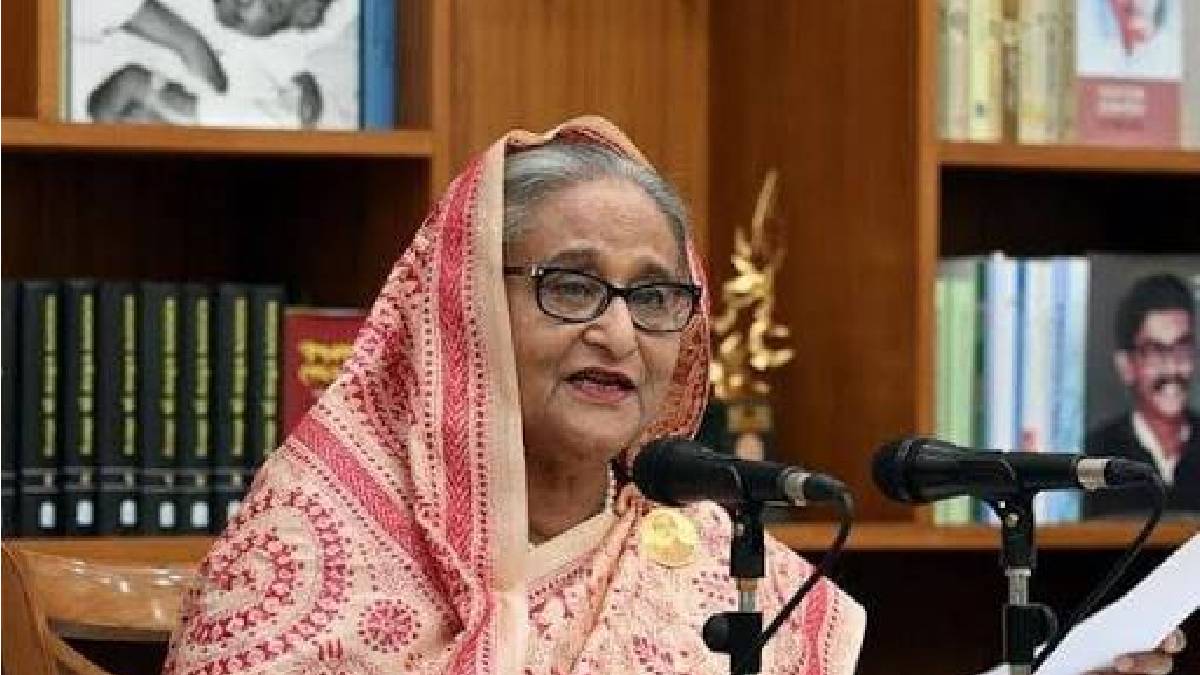
Sheikh Hasina has made her strongest political statement since leaving Dhaka in August 2024 when she declared that she will return to Bangladesh before the end of this year even though she has been given a death sentence and had several criminal cases against her.
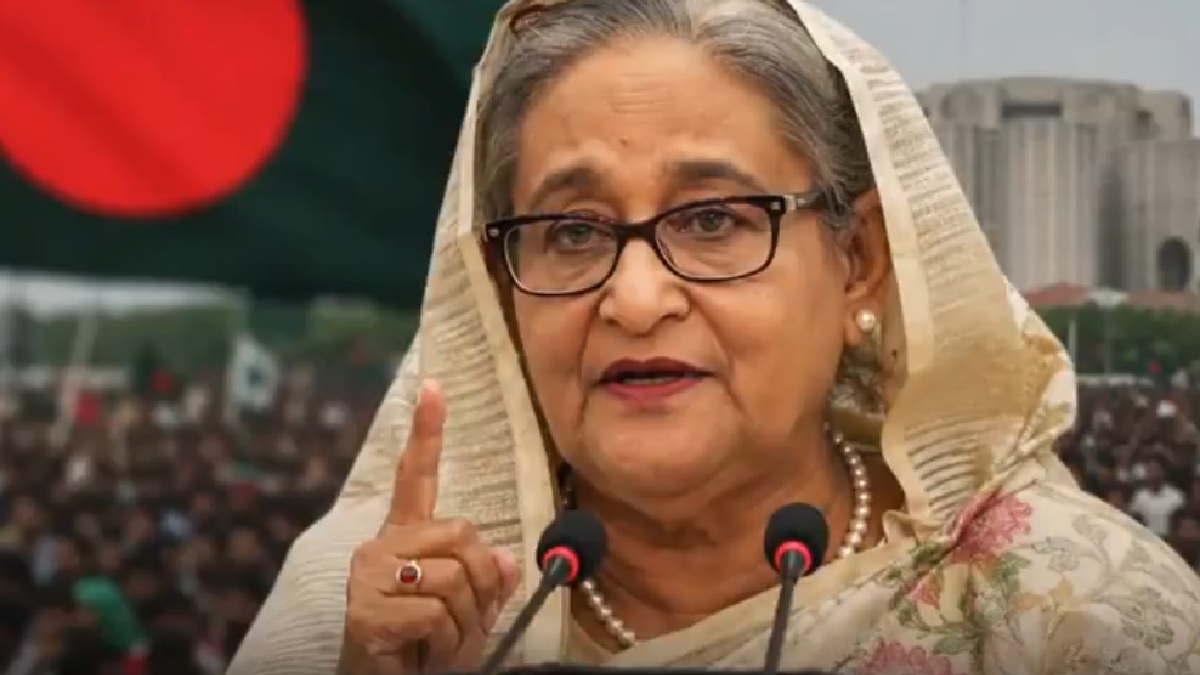
"I don't fear death," she said in an interview, and she said there was no conspiracy to keep her from getting back to her homeland. It has reignited a debate about whether the country’s longest-serving prime minister is preparing for a political comeback or heading toward arrest.
Her decision comes at a time when Bangladesh’s political landscape has been transformed since then and her old rivals are now in power.
Why Did Sheikh Hasina Leave Bangladesh?
Sheikh Hasina fled Bangladesh in August 2024 after months of nationwide unrest that began as student protests against the government's quota system for public sector jobs.
What started as protests over employment reservations became a movement against the Hasina administration and its authoritarianism, corruption and suppression of democratic rights and liberties.

As violence increased and security forces struggled to contain the unrest, Hasina left the country and took refuge in India, ending nearly 17 years of uninterrupted rule by the Awami League. She left the country at one of Bangladesh’s most significant political turning points since democracy came back.
Why Hasina Has Been Sentenced to Death
After her government collapsed, Bangladeshi authorities launched a number of investigations into the violent regime of violence against protesters during the 2024 uprising.
The International Crimes Tribunal convicted Hasina in absentia on charges of the deaths of protesters and sentenced her to death. She faces several corruption cases and criminal investigations related to her time in office besides her tribunal verdict.
Hasina has consistently rejected all the charges and has described the verdict as politically motivated and unconstitutional. She maintains that the legal proceedings are designed to eliminate the Awami League from Bangladesh’s political landscape, not deliver justice.
Can Sheikh Hasina Legally Return?
Technically, nothing stops Sheikh Hasina from returning to Bangladesh. She remains a Bangladeshi citizen and has repeatedly said that returning home is her political mission. And the legal implications could be very immediate. Given the court verdicts and pending criminal proceedings, authorities will likely arrest her upon arrival unless the warrants are lifted or a new legal order is made to change her status.
Any return would likely result in a bitter legal battle involving appeals, retrials and constitutional challenges, particularly as several proceedings were done in her absence.
Bangladesh's Political Landscape Has Changed
Bangladesh today is vastly different from the country Hasina left in 2024. After an interim administration led by Nobel laureate Muhammad Yunus took over the transition, Bangladesh held its first general election after the uprising.
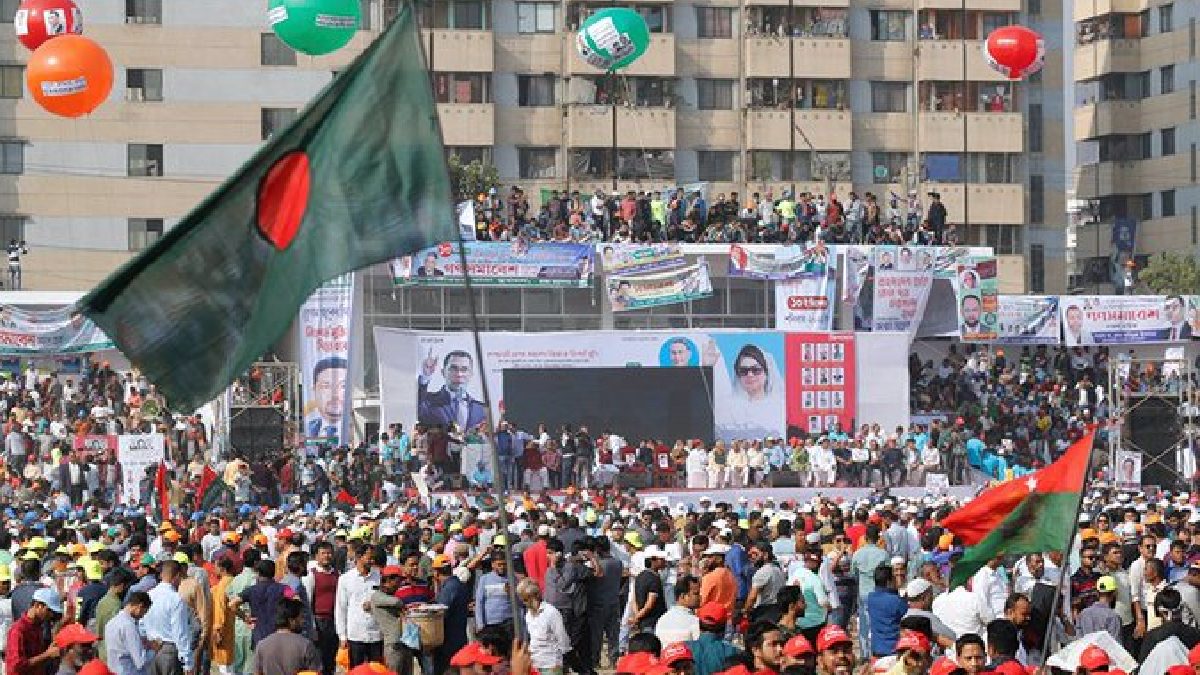
The election saw the Bangladesh Nationalist Party (BNP) win a landslide victory and end Awami League’s dominance for almost 17 years. BNP acting chairman Tarique Rahman returned from years of self-imposed exile in London to become Bangladesh's Prime Minister, completing one of the country's most remarkable political comebacks.
In the meantime, the Awami League has been banned from political activities and is still under severe legal and political pressure.
Tarique Rahman vs Sheikh Hasina: Bangladesh's Biggest Political Rivalry
Bangladesh’s politics has long been dominated by two powerful political dynasties. The Awami League, founded by Sheikh Mujibur Rahman, the founding father of the country, is now led by his daughter Sheikh Hasina.
The Bangladesh Nationalist Party (BNP) was formed by former President Ziaur Rahman and later led by his wife, former Prime Minister Khaleda Zia. For decades Sheikh Hasina and Khaleda Zia have been in power, with each accusing the other of corruption, election manipulation and weakening democratic institutions.
As Khaleda Zia’s health deteriorated, her son Tarique Rahman gradually emerged as the BNP’s principal leader. Tarique Rahman also spent years in exile and had to go through a variety of criminal cases during that same time in exile, many of which were later overturned or lost relevance as a result of the change in government.
Today Bangladesh is led by a prime minister who, until recently, was living outside of the country.
Why Hasina's Return Would Be Politically Explosive
If Sheikh Hasina returns, Bangladesh could witness one of the most dramatic moments in its modern political history. For the BNP administration, the arrest of Hasina would add to its promise to hold those responsible for the 2024 crackdown accountable.
But for the Awami League, any arrest would almost certainly be portrayed as political revenge aimed at permanently eliminating the country’s largest opposition force. Her return could also rekindle Awami League supporters who still see her as the party's undisputed leader in the eyes of the people despite the legal challenges.
Political observers say that such a move could spark demonstrations, political mobilization and increased security in Bangladesh.
What Could Happen If She Returns?
Immediate Arrest
The most likely scenario is that Bangladeshi authorities arrest Hasina shortly after her arrival due to the existing convictions and pending legal cases.
Lengthy Court Battle
Her lawyers will seek fresh trials and challenge the death sentence, as well as the fact that trials in absentia violated due process.
Political Mobilisation
Her return will galvanize Awami League supporters and incite BNP activists to protest against her return and potentially escalate political tensions in the country.
Security Challenges
Because Bangladesh is a deeply polarized political country, security agencies would probably have to add more armed forces to combat violence and help to maintain public order.
Is This a Political Strategy?
Political leaders who live in exile often respond to their fans with promises of coming home, so that they can be assured that they are still standing with them. For Sheikh Hasina, this announcement is not just a declaration of intent but also a signal that she keeps her eye on Bangladesh’s future.
When she will return before the end of the year will depend in part on evolving legal developments, security assessments and the political situation.
Why the World Is Watching
Sheikh Hasina's possible return is about far more than the fate of one former prime minister.
It will test Bangladesh’s judicial independence, democratic institutions and political stability at a time when the country is deeply divided after the upheaval of 2024.
If she returns, Bangladesh could enter another defining chapter in its political history—one that could shape the future of the Awami League, potentially upend or undermine the BNP government of Bangladesh, and determine whether the country’s decades-long political rivalry is at the end of a new age or just getting started.