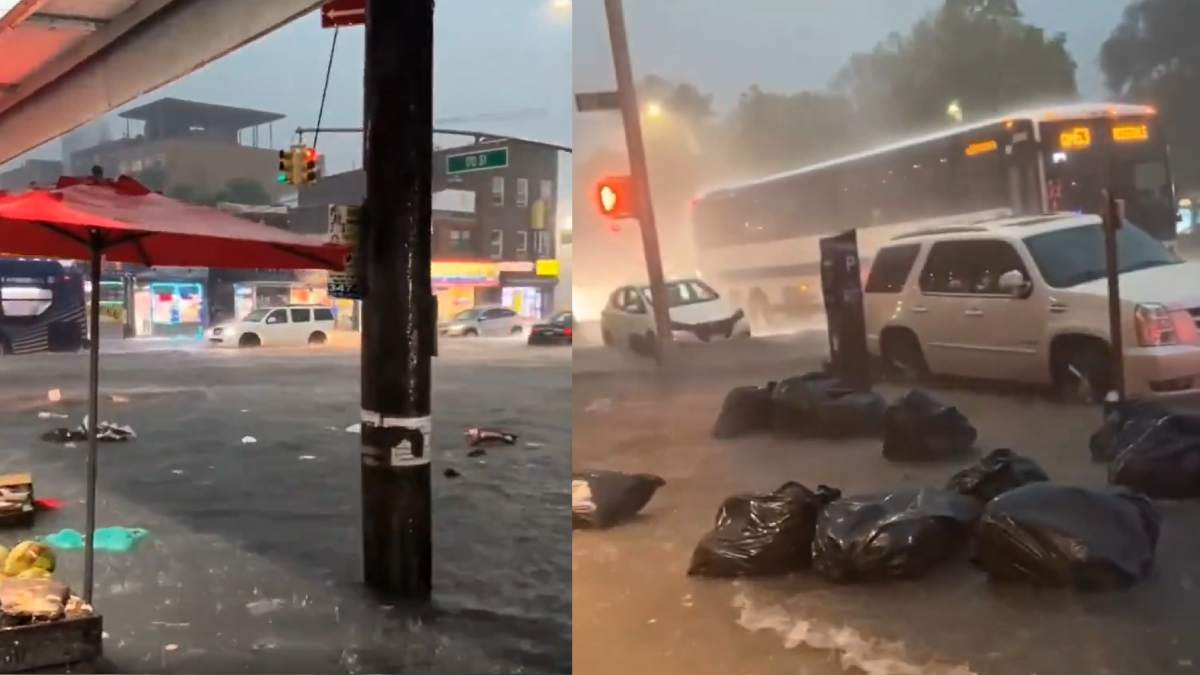
Heavy thunderstorms brought torrential rain and flash flooding to New York City, with Brooklyn being among those areas of the city’s streets flooded by rising water on roads and the subway system as water swelled and quickly rose on streets and inside parts of the subway system.
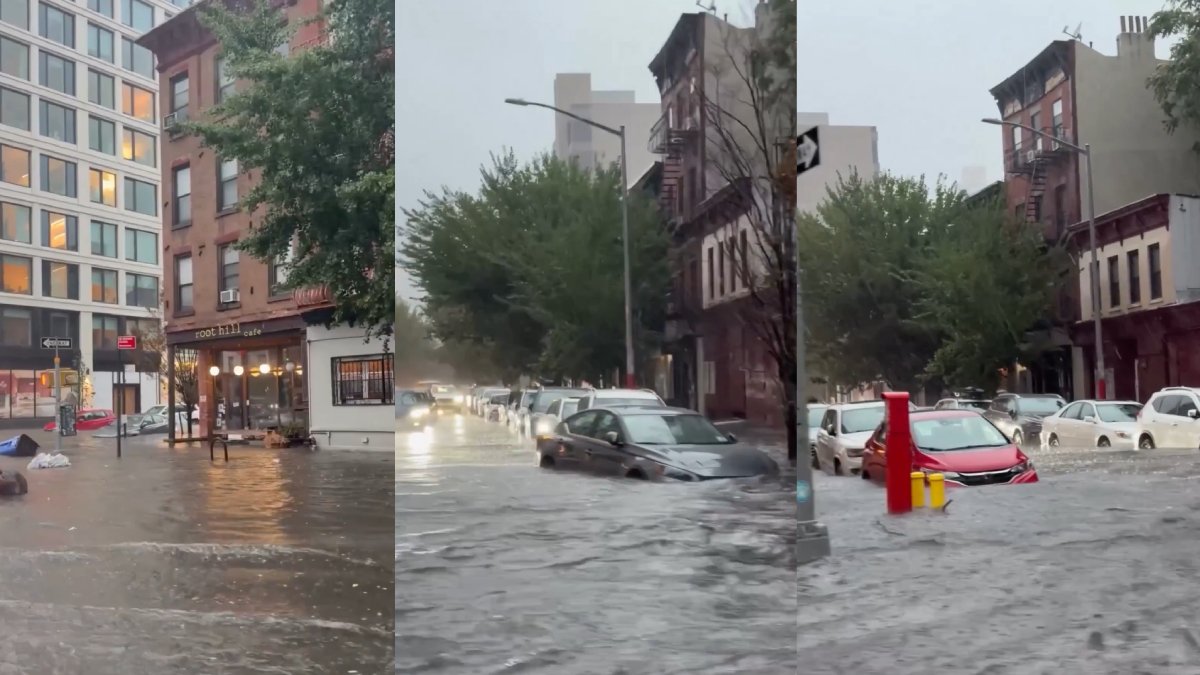
Heavy rainfall and flash flooding were felt on Thursday, August 20, as torrential rain overwhelmed drainage systems and flooded roads and streets in Brooklyn and New York City, flooding out neighbourhoods in Brooklyn, and the National Weather Service issued a flash flood warning for Brooklyn and other parts of the city to avoid flood threats.
Brooklyn experienced the most visible storm effects, with neighbourhoods reporting serious water accumulation in a short period of time. In Bushwick, heavy rainfall overwhelmed local drainage systems and flooded streets and made driving hazardous. Videos were circulating about vehicles driving through several inches of floodwater after the storm, and emergency officials said people in the area should avoid roads covered by water.
The flooding also hit New York City’s subway system. Heavy rain poured down the station stairs like a waterfall at Prospect Park subway station in Brooklyn, with water reaching parts of the platform and tracks. Images and videos of the flooding showed the vulnerability of underground transportation infrastructure during extremely intense rainfall.
The Brooklyn-Queens Expressway was another major transportation artery hit hard by the storm. Drivers were driving slowly through flooded streets as floodwater poured and cars were abandoned in the dangerous conditions. Flooding in the entire New York metropolitan area led to significant traffic problems, and drivers were stranded as water levels rose so rapidly.
The National Weather Service issued a Flash Flood Warning for Kings County, which includes Brooklyn, Manhattan, Queens, the Bronx and Staten Island at the height of the storm. It’s a warning of fast-developing flooding due to heavy rainfall, the National Weather Service warned.
The storm also affected other areas of New York City. Some areas of the city reported over two inches of rain during the event. Central Park had more than 2.31 inches, and LaGuardia Airport had about 2.25 inches, CNN reported. Brooklyn and Staten Island got almost two inches of rainfall, showing how quickly water fell in the city.
The weather caused a great deal of disruption to transportation. LaGuardia Airport temporarily closed during the storm and reopened, while hundreds of flights were cancelled or delayed across the region. John F. Kennedy International Airport also had flights cancelled around the region. The transportation problems compounded the problems for commuters already dealing with flooded roads and disrupted subway services.
🚨Flash floods in New York City's Brooklyn pic.twitter.com/FJMpLlirMa
— The Tatva (@thetatvaindia) August 21, 2026
New York City officials have continued to stress the need for flood preparedness as the city’s dense urban environment is increasingly put at risk for flooding as the city's dense population, and there is also a growing need for flood preparation as severe rainfall events of this kind. Residents of basement apartments were advised to prepare for the possibility of flooding and avoid entering flooded basements, and to move to higher ground if necessary when flooded roads and bridges have flooded, the city’s emergency notification system said, telling them to stay away from flooded roadways, stay away from low-lying roads and avoid entering flooded basements.
The Metropolitan Transportation Authority has been working to enhance flood protection across the subway system. Following the recent flooding, officials said they were identifying stations that are particularly vulnerable and looking at measures to improve resilience. MTA crews maintain pumps and flood-fighting equipment that can be deployed in heavy rain when subway operations are threatened.
The flooding has also raised concerns about the city’s drainage infrastructure. In extremely intense storms, even well-maintained drainage systems can’t handle large amounts of water falling quickly. Blocked catch basins can make the situation worse because it prevents water from getting into the drainage system efficiently. New York City's emergency management authorities asked people to clean up leaves and debris from nearby catch basins, and report clogged drains where possible.
The threat of more heavy rain hasn’t disappeared entirely. Weather forecasts in Brooklyn indicated the possibility of more showers and thunderstorms over the weekend, with localised flooding possible during heavier storms. Another round of significant rainfall was expected from Saturday night into early Sunday, with some areas potentially receiving one to two inches of rain in a short period.
The latest flooding episode is one more reminder of how quickly severe weather can disrupt life in New York City. From flooded streets and highways to water entering subway stations, the storm illustrated the difficulty of heavy rainfall in a densely populated urban area. Residents should be aware of weather alerts, avoid unnecessary travel during severe storms and never attempt to drive or walk through rapidly moving floodwater, officials said.
Because cleanup and recovery work is ongoing and recovery is not over yet, officials are also preparing for more rain. And in Brooklyn, for the city with another unsettled stretch of summer weather, keeping track of weather warnings and transportation conditions will also be crucial for Brooklyn residents and commuters.