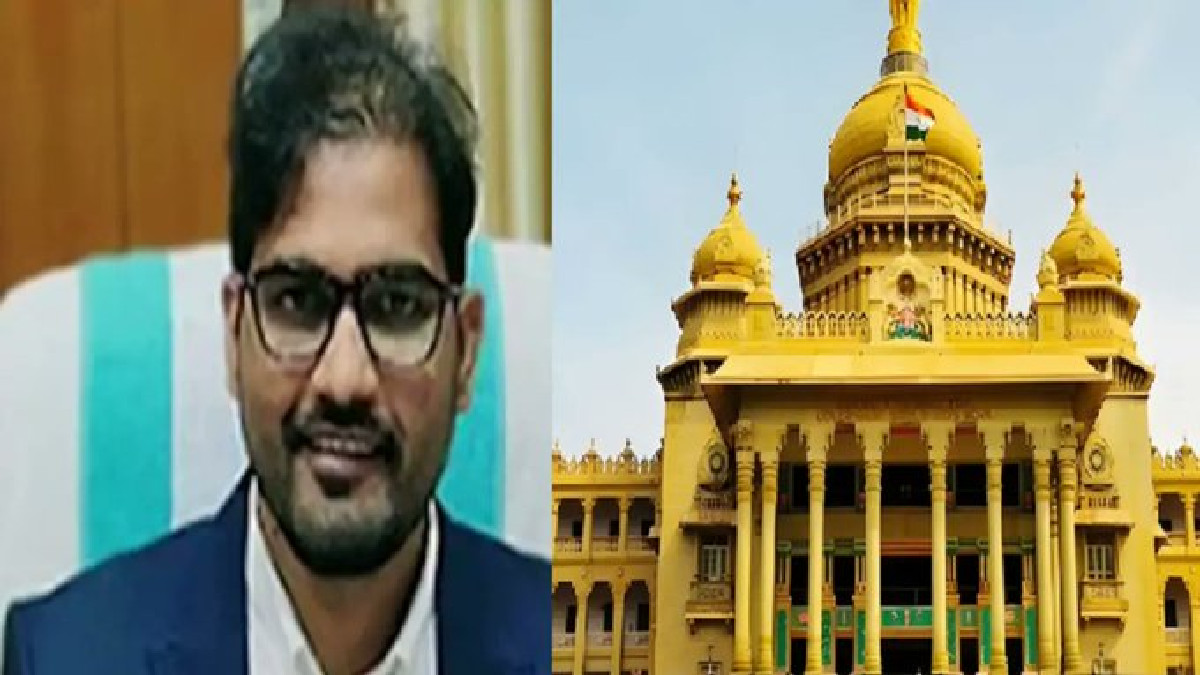
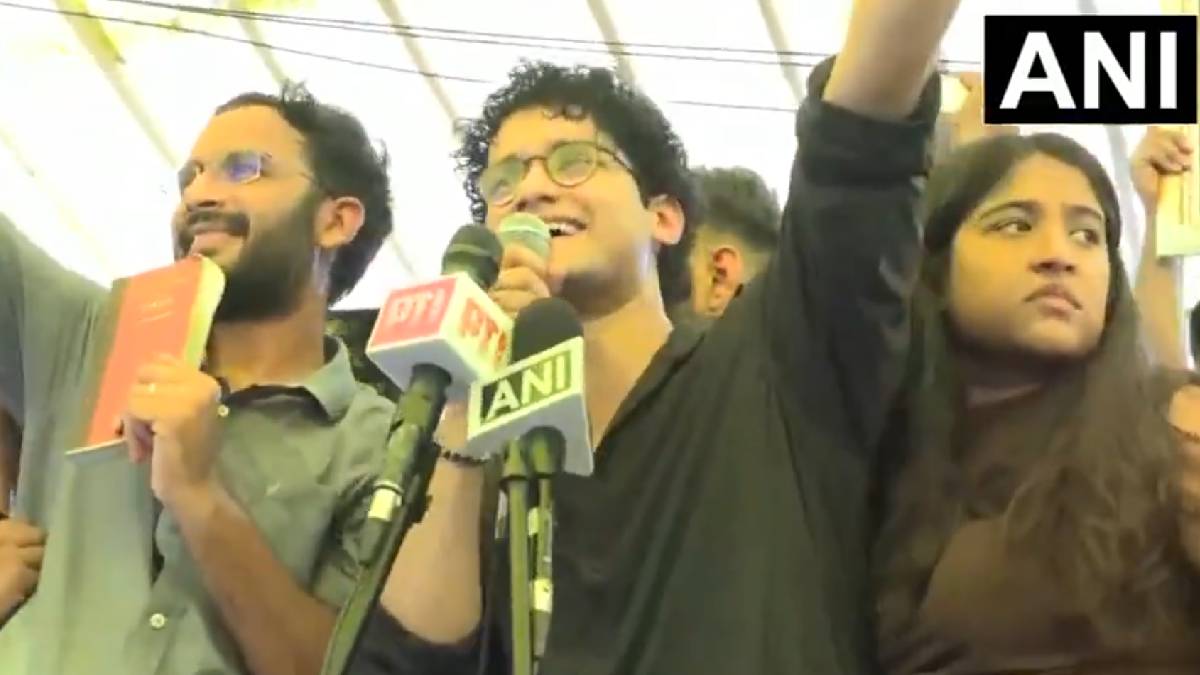
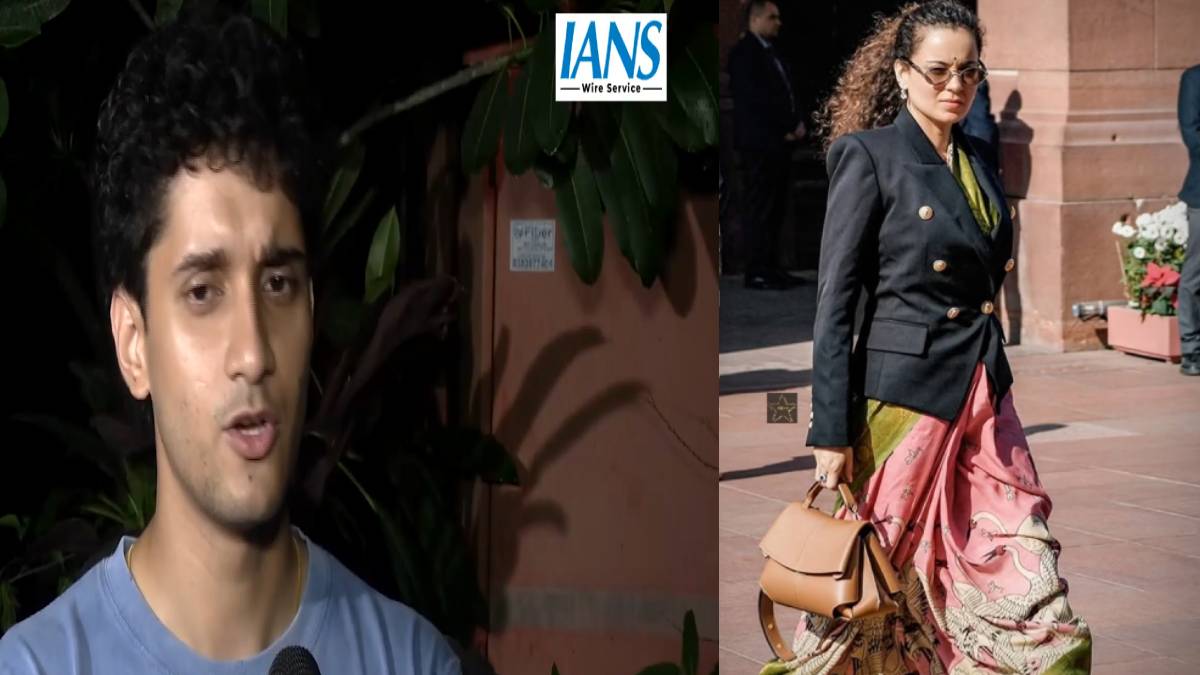
Cockroach Janta Party (CJP) spokesperson Saurav Das has sought legal action against commentator Abhijit Iyer Mitra and several media and law platforms in Delhi for publishing and circulation of his residential details. Das has said that the repeated disclosure of his address and other personal information has exposed him to a serious and foreseeable security threat.
Das has sought protection of his fundamental right to privacy, dignity and personal security as well as damages for what he claims is an unlawful violation of his privacy rights. The case is also being framed in the context of allegations that YouTubers and media people have visited his home and shared photos and details from it online.
Das is seeking permanent and mandatory injunctions against Iyer, X, Google and several law portals and media platforms. He wants the defendants to prevent publishing, circulating, reproducing or otherwise disclosing his residential address and other private information, the plea says. He also wants the removal of videos, posts and other online material that allegedly reveal such information and to prevent public access to the material.
Das has been in a rented room in Greater Kailash since last year, he alleged. The defendants illegally unearthed and recorded information about his residence before publishing it and spreading it on a variety of websites, Das said. Besides his residence, Das also said, information of his family, parents and sexuality was also made public.
CJP has also claimed some individuals entered the shared residential property and recorded footage of the interiors. He claimed that images from inside the property were shared on X and other sites. Das contends that such actions go beyond what the public might see and are an invasion of his personal space.
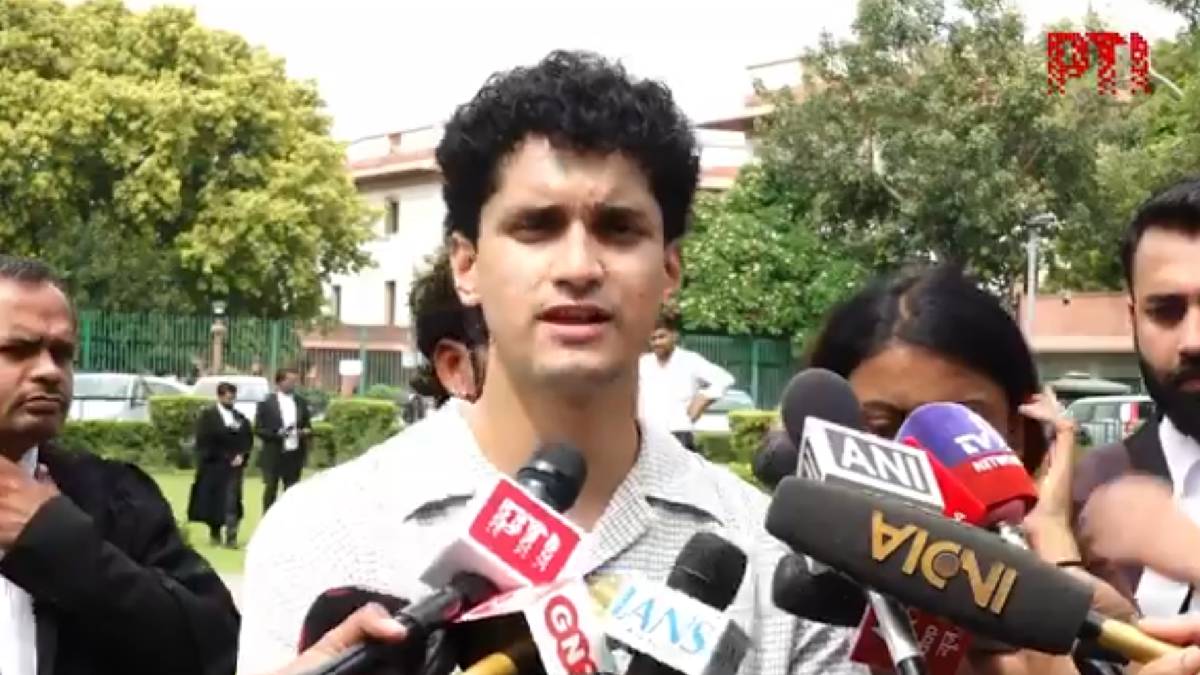
The plea relies on video and social media posts to demonstrate the alleged disclosures. Das has claimed that his journalism, public-interest disclosures and political engagement have already put him at risk for violence. Against that backdrop, he has claimed that publishing and amplifying his specific home address is a genuine risk of violence at or around his home.
The case also follows a complaint to the Delhi Police by Das earlier in August. On X, he claimed that certain YouTubers and media channels had entered his house and broadcast footage of the property. Das said the incident had caused him alarm and raised concerns over the security of his family.
Following the incident, Das approached Delhi Police and sought action under provisions on criminal house-trespass, criminal intimidation, defamation and criminal conspiracy. The allegations have since become part of a wider dispute involving online commentators, media platforms and the boundaries between public-interest reporting and an individual’s right to privacy.
The latest petition before the Delhi High Court focuses on the continuing availability of supposedly private information online. Das has claimed that even if that material has already circulated, its continued publication and amplification can perpetuate the alleged harm. So his request to remove or disable access to the videos and posts is very much at the heart of the relief sought by the court.
The case also raises broader questions about privacy in the digital age, in particular when public figures, political activists, journalists or commentators get intensely monitored by the internet. While information about genuine public interest matters can be well-founded in reporting; leaking sensitive residential information can also give rise to risk when it does not serve the safety of the individual.
As of now, Das's accusations are part of the proceedings before the Delhi High Court; unless proven by the court, Abhijit Iyer Mitra and the other defendants remain allegations. The court hearing the petition is likely to give further insight into the legal protections available for the release of private residential information and the responsibility of platforms hosting it.
And the dispute is not about whether one person has the address of another person. It also underscores the growing tension between aggressive digital commentary, media reporting, personal privacy and security in a digital world in which information is copied and shared across multiple platforms at once.