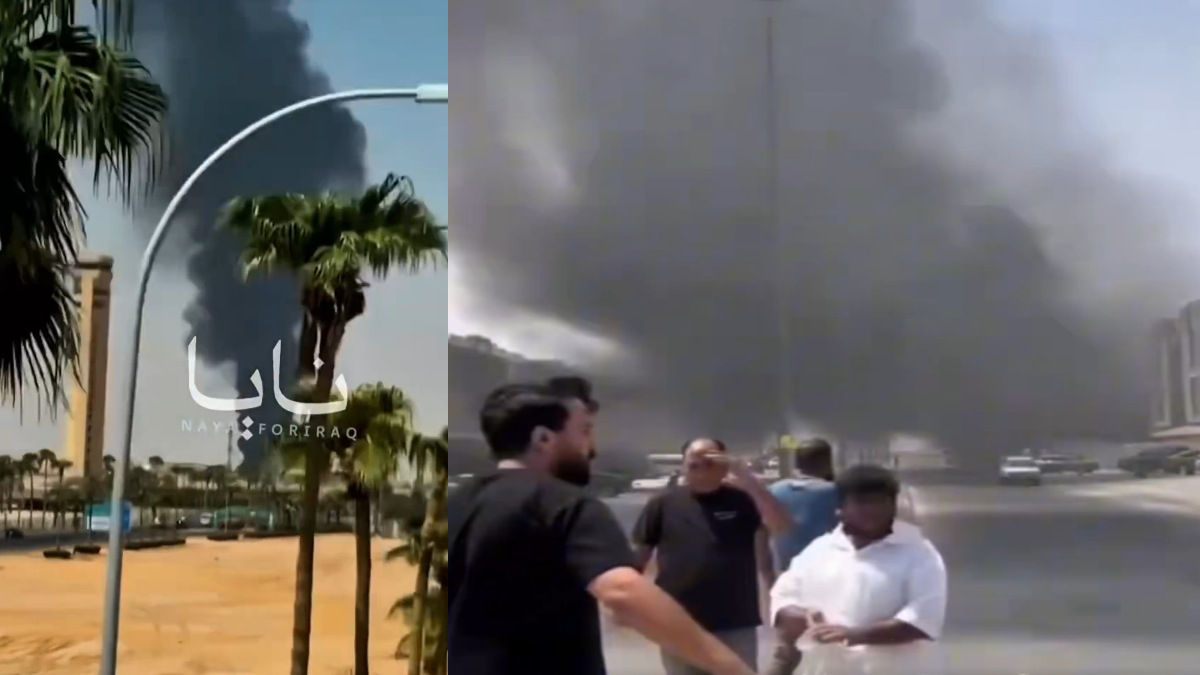
On March 7, 2026, the U.S. Embassy in Baghdad faced its first rocket attack since 2023. A Katyusha rocket was aimed at the compound at night on March 7; however, the embassy's defense system C-RAM (Counter-Rocket, Artillery, and Mortar) was able to intercept the Katyusha rocket attack before it reached the compound. The attack resulted in no injuries, but it has reignited discussions over U.S.-Iran friction and the importance of modern defense technology for protecting American assets overseas.
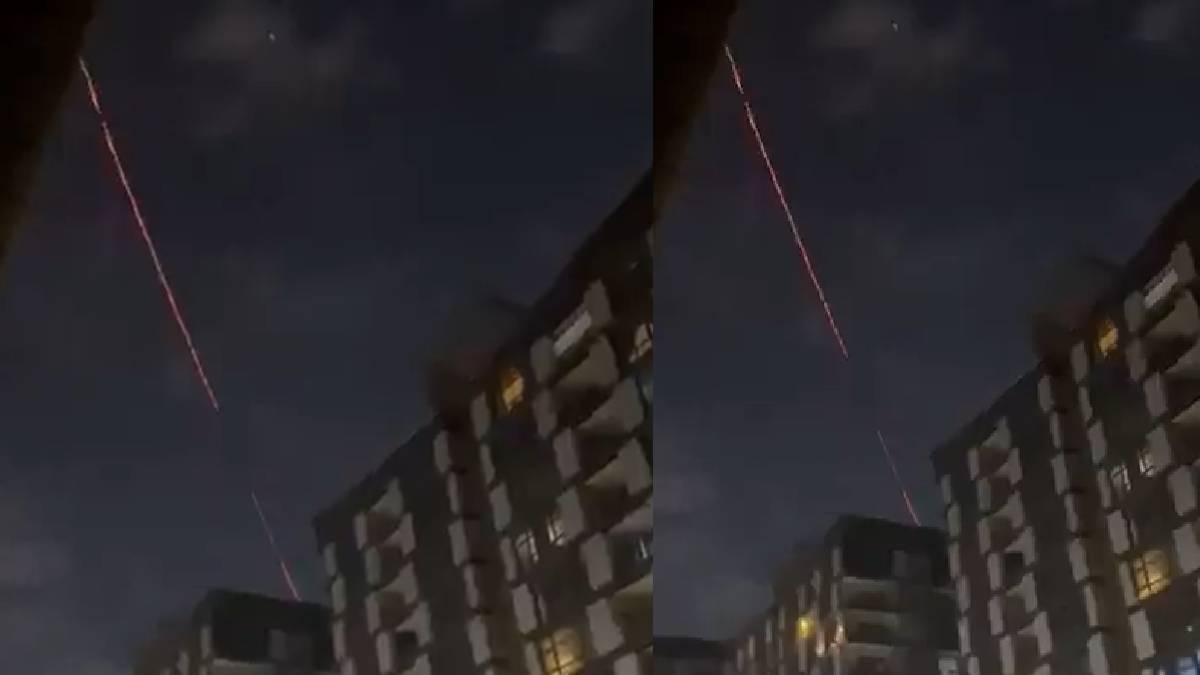
The attack reportedly took place at or around the embassy compound. The C-RAM system, a trailer-mounted radar-guided 20mm Gatling gun, sensed the approaching rocket and fired. Within seconds, it unleashed a blistering pace of up to 4,500 rounds per minute to destroy the rocket mid-air. A six-second video of fiery streaks lighting up the Baghdad sky quickly circulated in the media, with viewers comparing it to a science fiction weapon, the roar of gears and the roar of guns.
This interception represents the first rocket attack on the U.S. Embassy in Baghdad in three years. It comes when tensions between the United States and Iran have escalated, following recent attacks on Iranian leadership. The application of C-RAM success suggests that precision defense systems may well be more critical than ever for sensitive regions with a fast-paced environment. Nonetheless, this has raised concerns about cost efficiency since the high price of ammunition that this system can cost is often juxtaposed with the cheap rockets people also use to create fires like rockets.
The dramatic clips captivated social media users, who praised the effectiveness of the C-RAM system. Some called the sound and visuals “otherworldly,” others grappled with the broader implications that such technology offered. Some lauded the U.S. military’s readiness, but critics noted the disparity between the costly defense systems and the inexpensive weapons to which they are intended to be countered.
The incident highlights the delicate security situation in Iraq and the continued threats to U.S. personnel there. It also points to the broader geopolitical battle between Washington and Tehran, where proxy attacks and counterattack actions have only intensified in the past year. For military strategists, the incident has been a reminder of the plusses and minuses of contemporary defensive systems.

The C-RAM’s successful interception of a Katyusha rocket at the U.S. Embassy in Baghdad averted casualties and showcased the system’s accuracy. But more than technical achievement, the incident underscores the continuing instability in U.S.-Iran relations, and the difficulty of ensuring security in combat-prone lands. As arguments of cost, accountability and strategy rage on, the fiery streaks above Baghdad are a marker of technological might as well as geopolitical infighting.