Kathmandu: China has rejected allegations that a dam on the Chinese side of the Nepal-China border was responsible for the devastating flash floods that swept through northern Nepal, killing at least 162 people. The Chinese Embassy in Nepal also dismissed claims that Beijing failed to provide an early warning about the impending disaster, calling such allegations “fake news.”

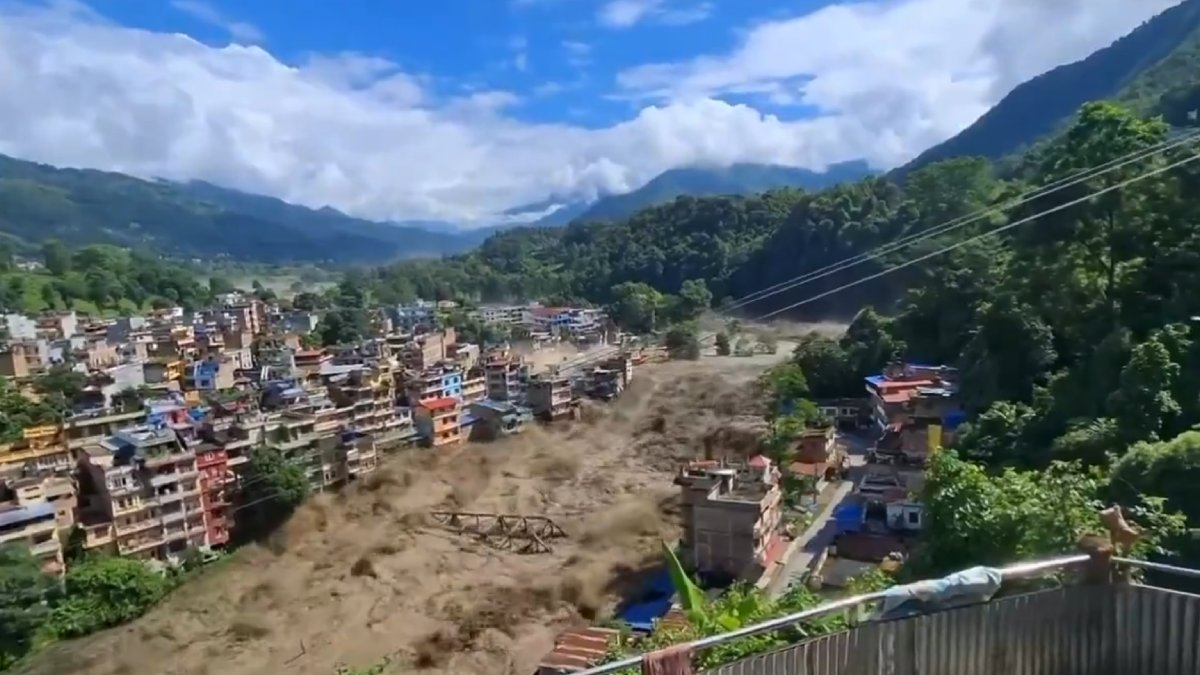
The response came as Nepal was still dealing with a catastrophic flood that devastated the Gyirong-Rasuwagadhi border region on August 26. The sudden disaster caused extensive destruction on both sides of the border with settlements, infrastructure, and hydropower facilities destroyed or swept away.
In a statement presented as a clarification of the events, the Chinese Embassy said an earthquake or an earthquake-like glacier collapse had occurred on the Nepali side on the morning of August 26. According to the embassy, massive mudslides led to huge casualties and many people were missing in the Nepal-China border area.
The embassy rejected the allegations that China was behind the disaster. It also emphasized that cooperation between the two countries would be very helpful during the time of emergency so blame would not help rescue efforts.
“Accusation helps nothing” and “cooperation saves lives,” the embassy said as rescue and relief work continued in the affected areas.
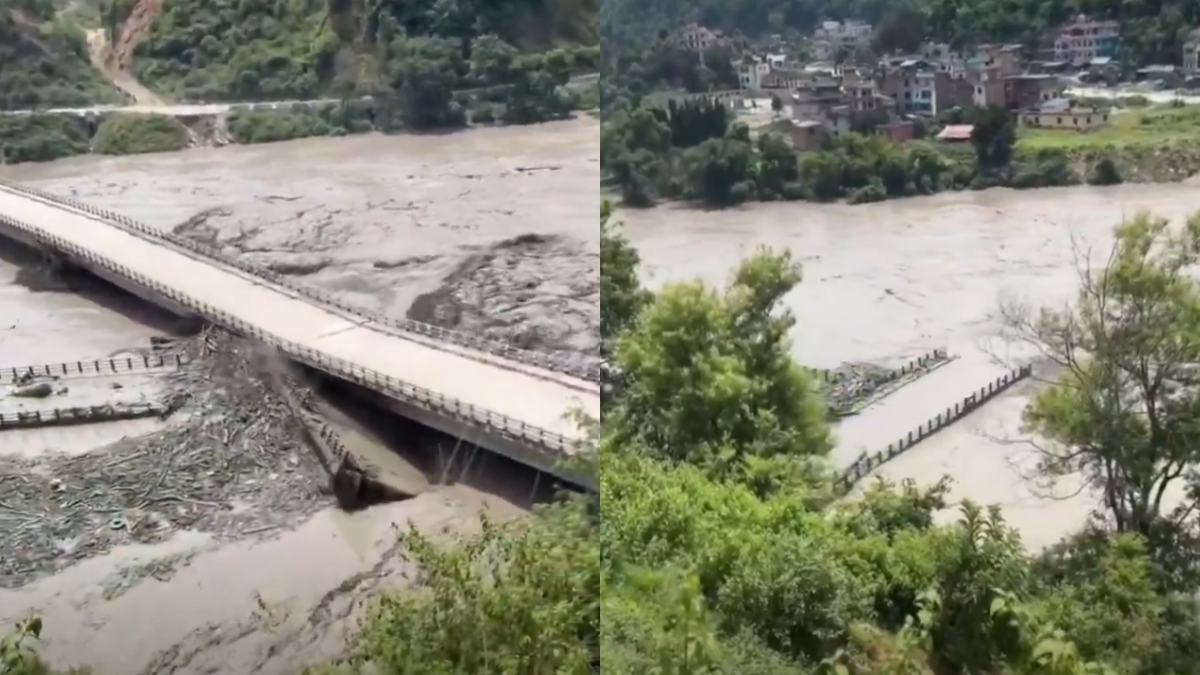
The disaster has led to many competing theories as to what caused the great surge of water and debris. Nepal's National Disaster Risk Reduction and Management Authority (NDRRMA) said a debris-filled flood occurred in the Lendhe River after an ice-rock landslide near the Nepal-China border. The affected area is about 20 kilometres northeast of Rasuwagadhi.
The sudden release of water and debris had terrible effects on communities downstream. The first surge reportedly hit Timure, a settlement close to the Chinese border, and then moved downstream. Hundreds of people were living and working there, and much of the settlement was swept away by the force of the flood.
One of the most worrying features of the disaster was that there was no obvious conventional warning. There was no significant rainfall in the immediate area when the flood came, reports said. Residents, therefore, had little reason to expect a sudden wall of water and debris, and it was feared that they would be unable to get out in time.
The NDRRMA said the flood appeared to have entered the Trishuli River after passing through Timure. The sequence of events is still being assessed, and different explanations of the flood's origin and size have emerged.
The disaster has also raised concerns about the vulnerability of infrastructure along the border and downstream river systems. Nine hydropower projects and nine branches of commercial banks have been destroyed or severely threatened.
The human toll remains the biggest concern. The death toll is up to 162, and thousands of people are also missing or unaccounted for. Some 300 Indians are missing, adding an international dimension to an already big humanitarian disaster.
Rescue teams are searching for survivors and missing people as authorities examine the damage. Difficult terrain, damaged roads and infrastructure, and unpredictable river channels will make relief work difficult.
The disaster has also raised attention in neighbouring Indian states and those with rivers from or flowing through Nepal. Any further surge downstream can affect communities and infrastructure in parts of northern India, and monitoring and coordination are of particular significance.
China’s rejection of the accusations is likely to add another layer to the crisis. While Beijing has claimed that the disaster was caused by an earthquake-like glacier or ice-rock collapse and mudslides on the Nepali side, Nepalese authorities are still assessing the exact sequence of events leading to the devastating flood.
For now, the priority is to find the missing people, assist displaced people, and repair damaged infrastructure. The disaster could be investigated by authorities in Nepal to figure out how the sudden flood happened and if any warning mechanism could have prevented the loss of life.