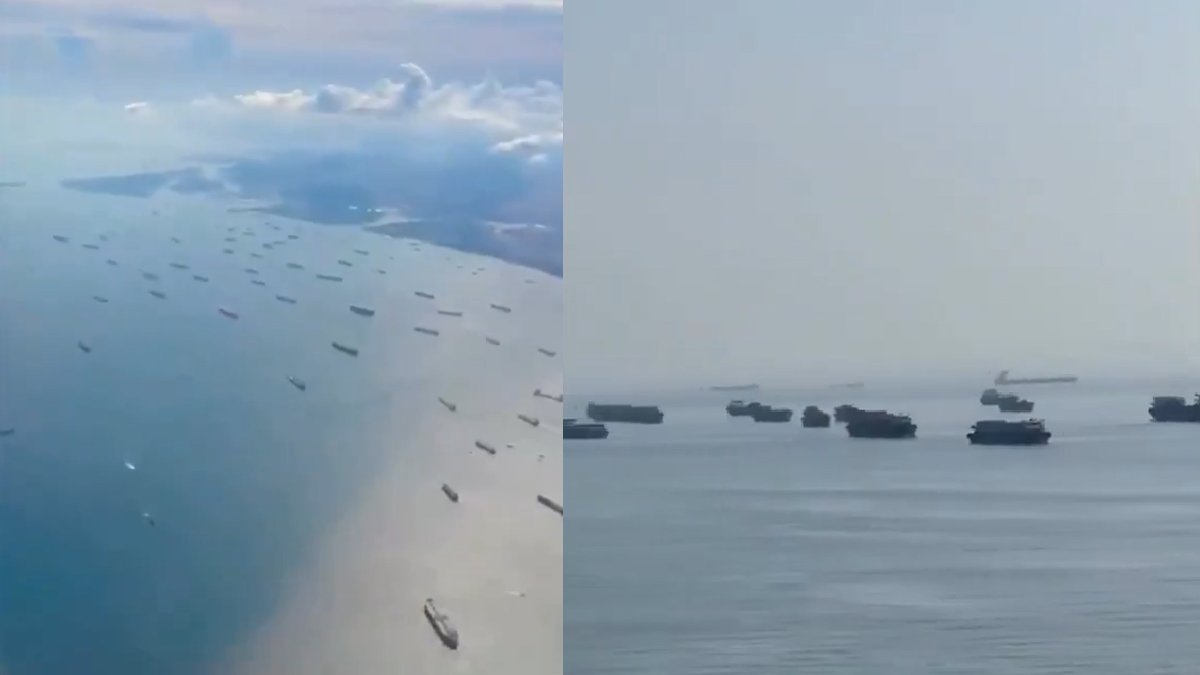
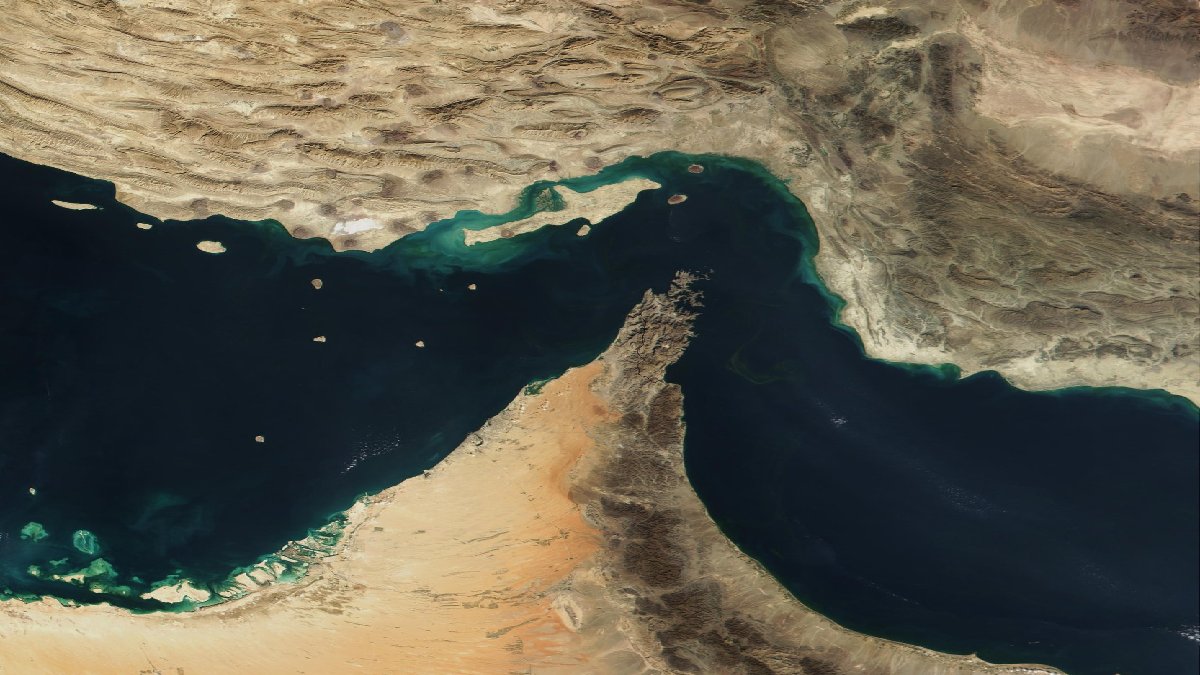
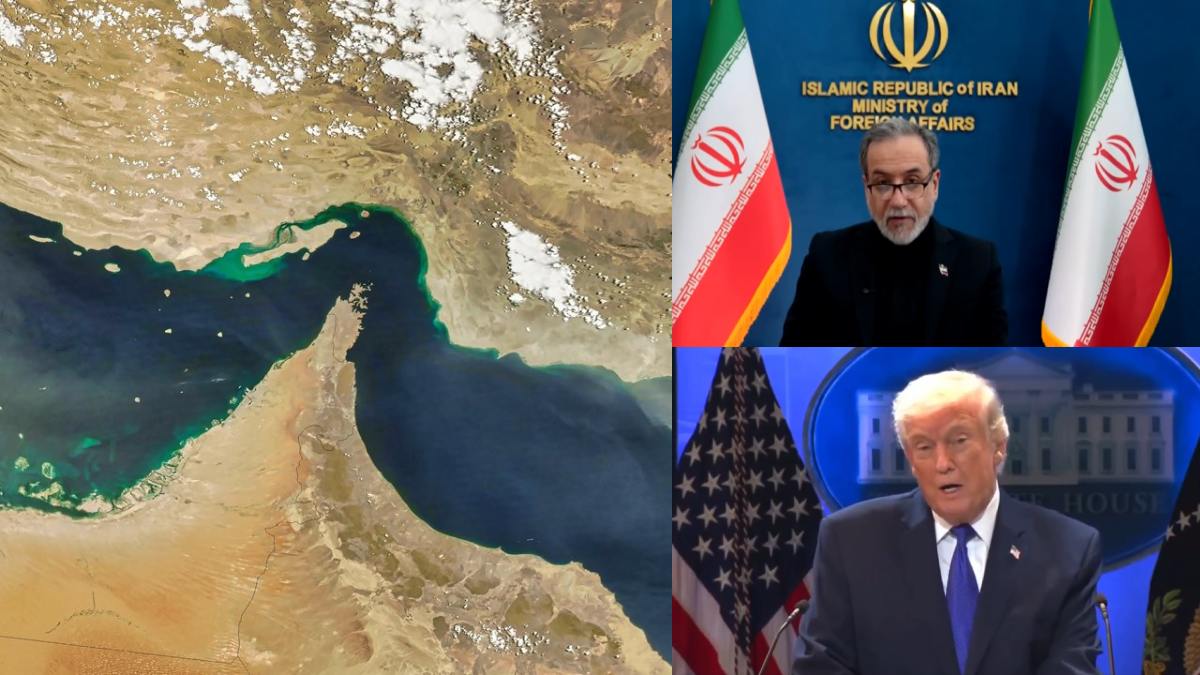
The White House announced late Tuesday that President Trump has succeeded in overcoming the waters of the Strait of Hormuz and ending a five-week economic blockade that had sent global energy markets into a tailspin. It is a two-week ceasefire between the United States and Iran, mediated in part by Pakistan.
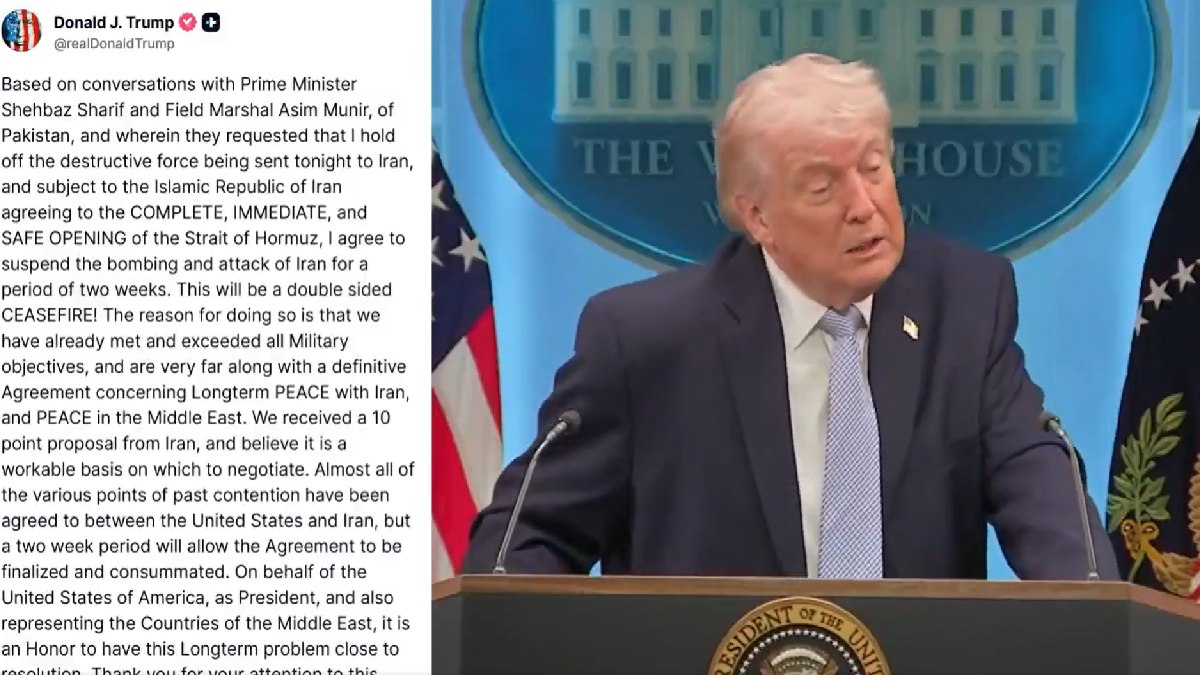
The deal essentially closes “Operation Epic Fury” just hours before a deadline that threatened a major escalation of Iranian infrastructure. President Trump, in a series of tweets, hailed the reopening of the waterway as a major victory for his “America First” energy policy.
The President already had said the U.S. would not depend on the waterway for its own energy needs but be “not held hostage” by regional volatility and his administration’s economic stability. “I told them we wanted it open and so now it’s opening,” he said.
A total win for the American taxpayer and a “gusher” for the global economy! “Market reaction and diplomacy shift” to the announcement: Oil prices crashed as much as 13% as the world traded on the news. Shipping: Maritime insurers began recalibrating risk premiums for the Persian Gulf. Diplomacy: Talks are to begin Friday in Islamabad to put the temporary ceasefire into place for the long term.
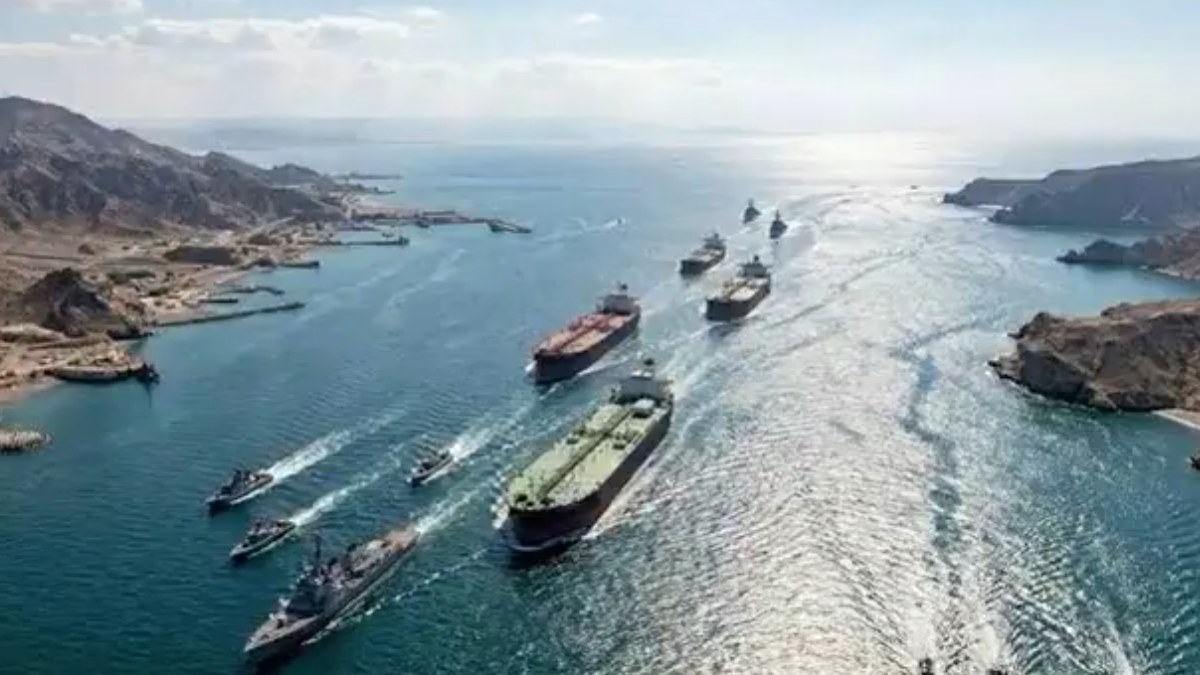
Before the reopening, traffic through the Strait, which accounts for 20% of the world's oil supply, was down to a trickle of 9 ships per day: “The reopening will be complete, immediate and safe,” said White House Press Secretary Karoline Leavitt, under the watchful eyes of U.S. and allied naval assets.
Some critics have pointed at the volatility of the past month, but the Administration is attempting to frame the reopening as proof that “maximum pressure,” together with “direct deal making,” is still the most effective weapon in the U.S. arsenal.