One of the most surprising geopolitical claims to emerge from the recent Iran-Israel conflict is from a New York Times investigation that suggests Israeli officials secretly explored a plan to reinstall former Iranian President Mahmoud Ahmadinejad if Iran’s Islamic Republic collapsed.
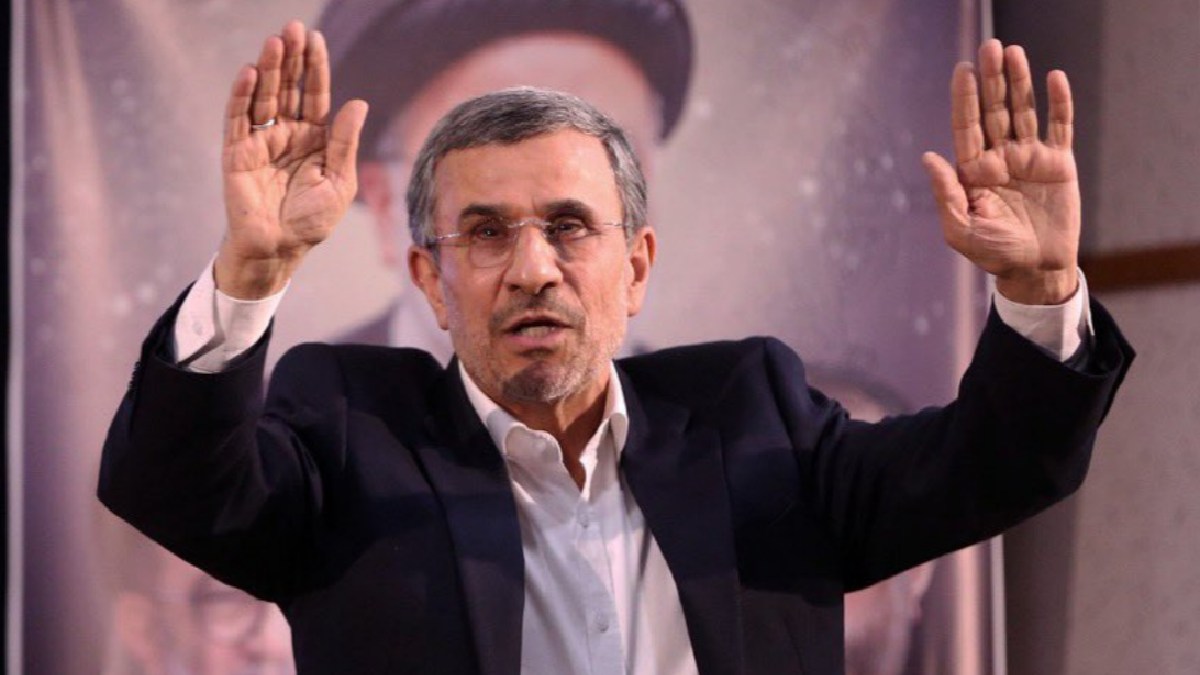
If true, the operation would represent a sudden change in strategic thinking. Ahmadinejad, who served as Iran’s president from 2005 to 2013, was once known for his harsh anti-Israel rhetoric and confrontational foreign policy. But Israeli intelligence increasingly saw him as a potential transitional leader who could change Iran’s course in times of crisis, the report says.
I would like to stress that the allegations are based on reporting by The New York Times and have not been independently verified by Israeli or Iranian authorities.
What Does the Report Claim?
According to The New York Times, Israeli intelligence had quietly cultivated contacts with Ahmadinejad for years after his political fallout with Iran’s ruling establishment.
The report notes that in the recent Iran-Israel conflict, when Israeli officials believed that the Iranian government might be weakened or even collapse under continued military pressure, contingency plans were prepared to help Ahmadinejad return to power.
The alleged operation involved covert meetings outside Iran, including one in Budapest, intelligence planning and even plans to release Ahmadinejad from house arrest if an opportunity arose.
According to the report, the former president would have been moved to a secure location before being introduced as the leader of a transitional Iranian government.
But the plan apparently never got off the ground because Iran's government remained in power and Ahmadinejad withdrew before the operation could be executed.
Why Ahmadinejad?
The report raises a very obvious question: why would Israel support someone who repeatedly took hostile positions toward the country during his presidency?
According to The New York Times, Israeli and American officials believed Ahmadinejad had undergone a major political transformation after leaving office.
Over the past decade he has increasingly battled with Supreme Leader Ayatollah Ali Khamenei and the political establishment in Iran. He has been repeatedly blocked from running for president and he gradually became an outsider with a frosty view of the ruling elite.
The newspaper claims Israeli officials concluded that Ahmadinejad's political ambitions had become stronger than his ideological positions.
A Changed Political Image?
The investigation also finds that Ahmadinejad greatly altered his public messaging after leaving office.
He reduced his anti-Israel rhetoric, criticized Iran’s security establishment, accused senior leaders of corruption, and worked to create a populist reformer not part of the country’s conventional power structure.
The report also noted that Ahmadinejad privately expressed his admiration for US President Donald Trump and described him as “a man of action.”
The most interesting thing is that Ahmadinejad said to friends that if he came back to power, Iran might recognize Israel and even join the Abraham Accords.
These claims have not been publicly verified.
Why the Plan Reportedly Failed
The strategy reported seems to have been based on two major assumptions.
First, Israeli planners believed that sustained military operations could destabilise or topple Iran's government.
Second, they said, they believed Ahmadinejad had enough popularity among ordinary Iranians and part of the political establishment to be a suitable transitional leader.
But neither assumption was right, the investigation found. Iran’s government survived the conflict and the operation never got past the planning stage.
Ahmadinejad's Reappearance
The report also notes that Ahmadinejad disappeared from public view for several months as Iranian intelligence investigated contacts linked to the operation.
He came back later on in the funeral procession of Supreme Leader Ayatollah Ali Khamenei, apparently surrounded by heavy security. He was seen in videos wearing a heavy jacket, despite the hot weather, and largely silent throughout the event.
No Official Confirmation
Neither the Israeli government nor Iranian authorities have publicly confirmed or commented on the specific allegations in The New York Times investigation.
As a result, governments are not yet accepting the claims. But the report has attracted international attention because it suggests Israeli officials were exploring highly unconventional regime-change scenarios during one of the most turbulent periods in recent Middle Eastern history.
It’s not clear that the alleged operation was ever close to actually happening. But the investigation also illustrates the kind of strategic calculations that can take place in a very high-stakes geopolitical conflict and how long-standing assumptions about allies and adversaries can change with extraordinary situations.