In addition to this, U.S. President Donald Trump has warned countries that impose digital services taxes (DSTs) on American technology companies that they could face a 100% tariff on all goods exported to the United States.
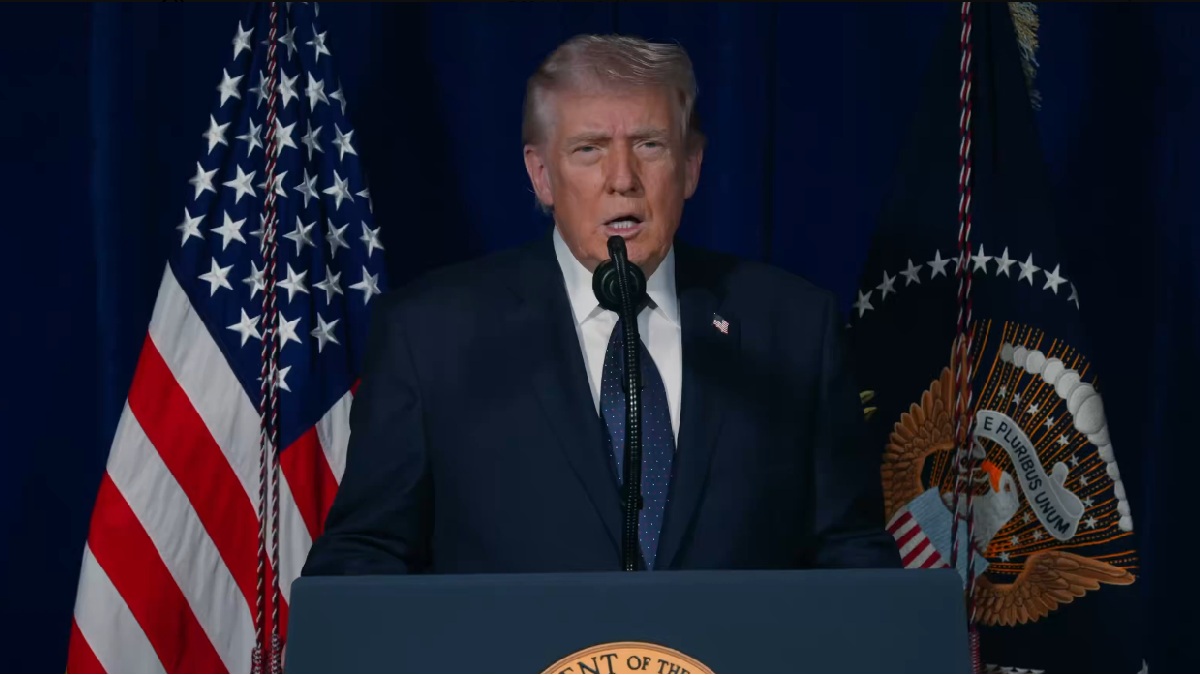
In a post on his Truth Social platform, Trump declared:
"Any country that imposes such a Tax will immediately be met with a 100% TARIFF on any and all Goods sent to the United States of America."
Trump also said that the proposed tariff would override existing or future trade agreements with those countries, in other words, a push to make trade policies that are favorable to US technology firms a concern.
Why Is Trump Opposing Digital Services Taxes?
The Trump administration has long argued that digital services taxes unfairly target American technology giants such as Alphabet (Google), Meta, Amazon, Apple and the like.
Many countries have introduced these taxes in order to require multinational digital companies to pay taxes on revenue earned within their borders, even if they don’t have a physical presence there. Trump has said those taxes disadvantage US firms and create unfair trade barriers.
The latest warning is another escalation in the ongoing dispute between the United States and several countries over the taxation of digital services.
Will India Be Affected?
Most likely, no
India has already withdrawn its Equalisation Levy, popularly known as the “Google Tax” in the past, which previously applied to foreign digital companies.
The levy was introduced in 2016 as a 6% tax on payments made to non-resident companies for online advertising services. The government later expanded it by introducing a 2% Equalisation Levy on non-resident e-commerce operators.
However, India has since rolled back both taxes:
The 2% Equalisation Levy on e-commerce operators was abolished through the Finance Act, 2024. The 6% levy on online advertising services was abolished through the Finance Bill, 2025 and is effective from 1 April 2025.
The move was widely seen as an effort to reduce trade tensions with the United States and strengthen bilateral economic relations. Because India is no longer imposing a digital services tax on foreign technology firms, it is unlikely to be affected by Trump's proposed tariff.
Which Countries Could Face the 100% Tariff?
Trump’s warning is expected to affect a number of countries where digital services taxes continue to be levied on large technology companies.
Among the countries that could come under pressure are:
France, Spain, Austria, United Kingdom. Several European Union members are still in the position of keeping digital taxes in mind in spite of a trade deal with the United States that limits tariffs on most European imports to 15%. However, digital services taxes were not included in such a deal and remain a point of divergence between Washington and Brussels.
France Already in Trump's Crosshairs
France has been one of the biggest flashpoints in the digital tax dispute.
And Trump had warned last month that he would impose a “100% tariff on French wine and champagne” unless France dropped its 3% digital services tax, which came into effect in 2019.
The French tax applies to revenue generated by large technology companies based in France such as Meta, Amazon, Apple and Alphabet.
European Union Responds
The European Union is vehemently against Trump’s latest comments.
The European Commission said in a statement that it would respond “very quickly and decisively” to defend its economic interests and regulatory autonomy if the US continued to escalate and take on additional tariffs.
Meanwhile, the Office of the US Trade Representative has repeatedly warned countries such as France, the United Kingdom, Austria, and Spain that they could face retaliatory tariffs for maintaining digital services taxes.
What Happens Next?
Trump’s comments on trade negotiations in general and could escalate trade talks between the United States and its major trading partners.
Although India has avoided the immediate threat by abolishing its Equalisation Levy, countries that continue to tax American digital companies may soon face difficult choices between protecting their tax policies and avoiding steep US tariffs.
If the proposed 100% tariff is enacted, it could impact international trade and technology companies, and diplomatic relations in the months to come.