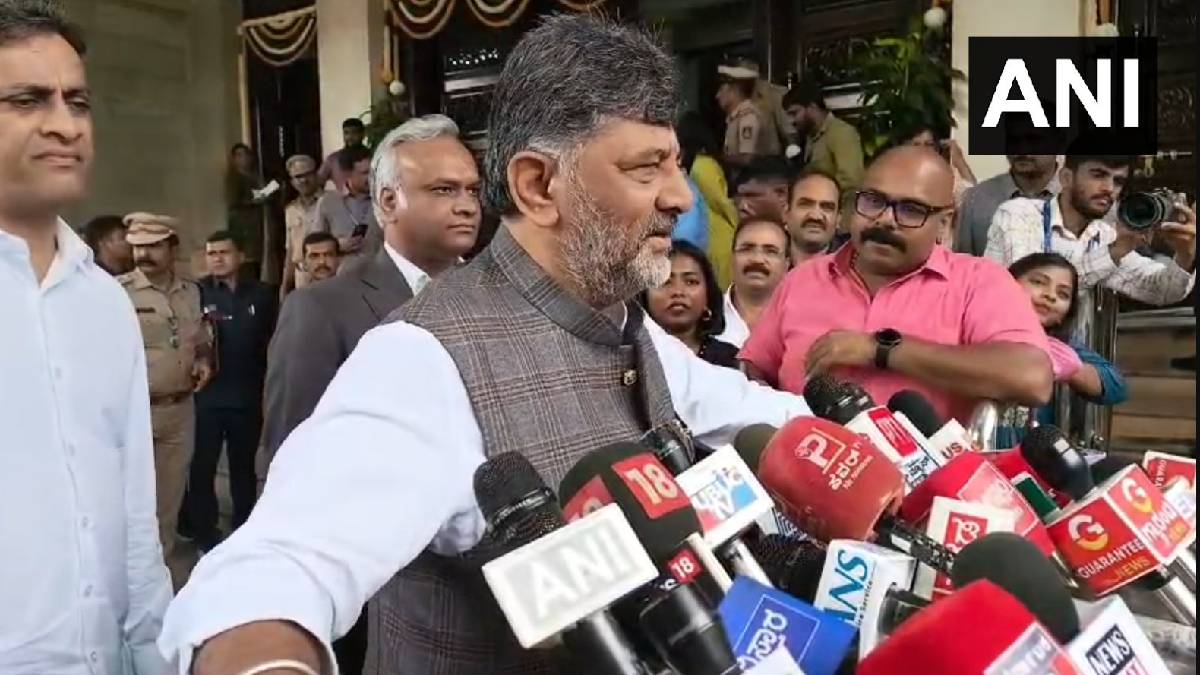
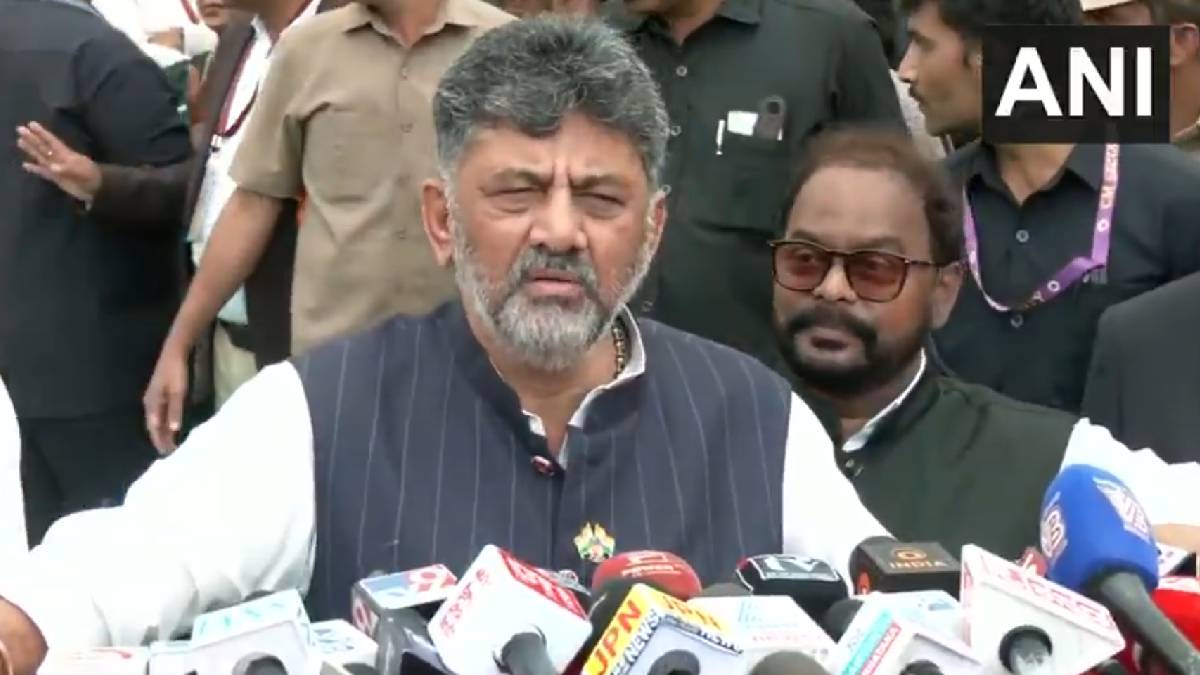
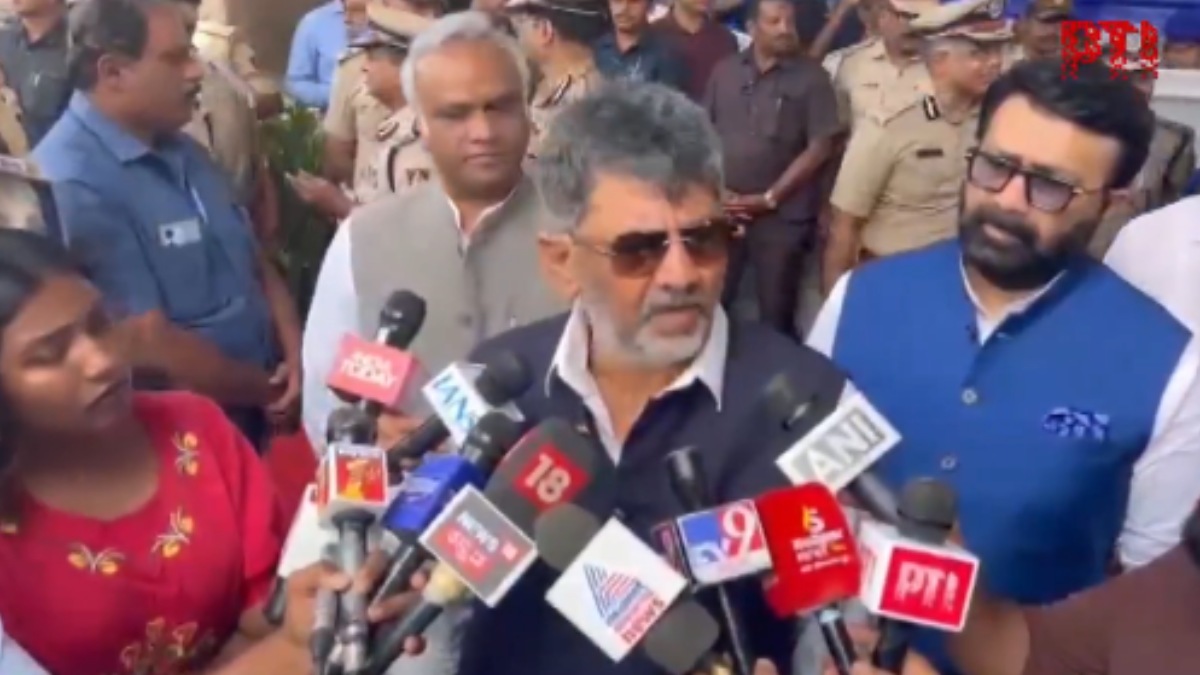
Karnataka Chief Minister D.K. Shivakumar has extended his warm congratulations to the renowned theoretical physicist Professor Deepak Dhar in Bengaluru after the Bengaluru-based scientist was awarded the prestigious ICTP Dirac Medal, which is a matter of great pride for Karnataka and India.
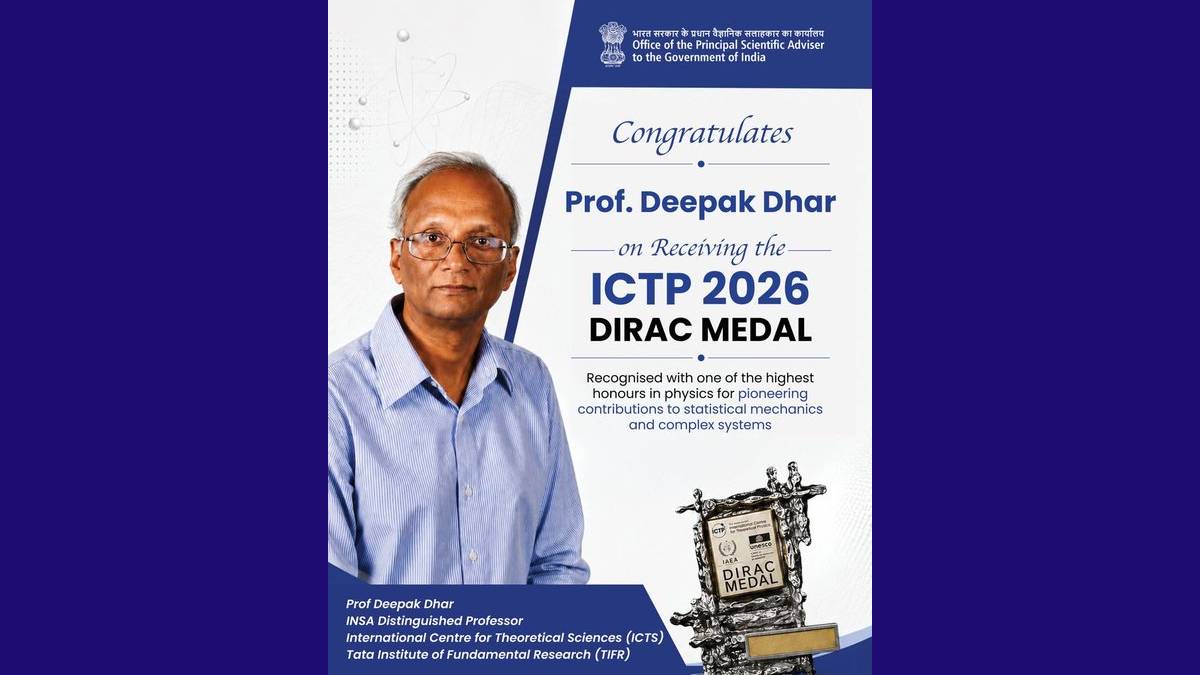
Dhar, an INSA Distinguished Professor at the International Centre for Theoretical Sciences (ICTS-TIFR), Bengaluru, has been awarded the prestigious international title in theoretical physics and statistical mechanics.
On behalf of the Government and the people of Karnataka, I warmly congratulate Professor Deepak Dhar, INSA Distinguished Professor at the International Centre for Theoretical Sciences (ICTS-TIFR) in Bengaluru, who has been awarded the 2026 ICTP Dirac Medal. Awarded annually by… pic.twitter.com/kaTn8bMqwk
— DK Shivakumar (@DKShivakumar) August 11, 2026
The ICTP Dirac Medal, awarded annually by the International Centre for Theoretical Physics, is one of the world’s greatest honours in theoretical physics. It honors scientists who have made significant contributions to the field of theoretical physics and has helped to lay the groundwork for fundamental scientific questions.
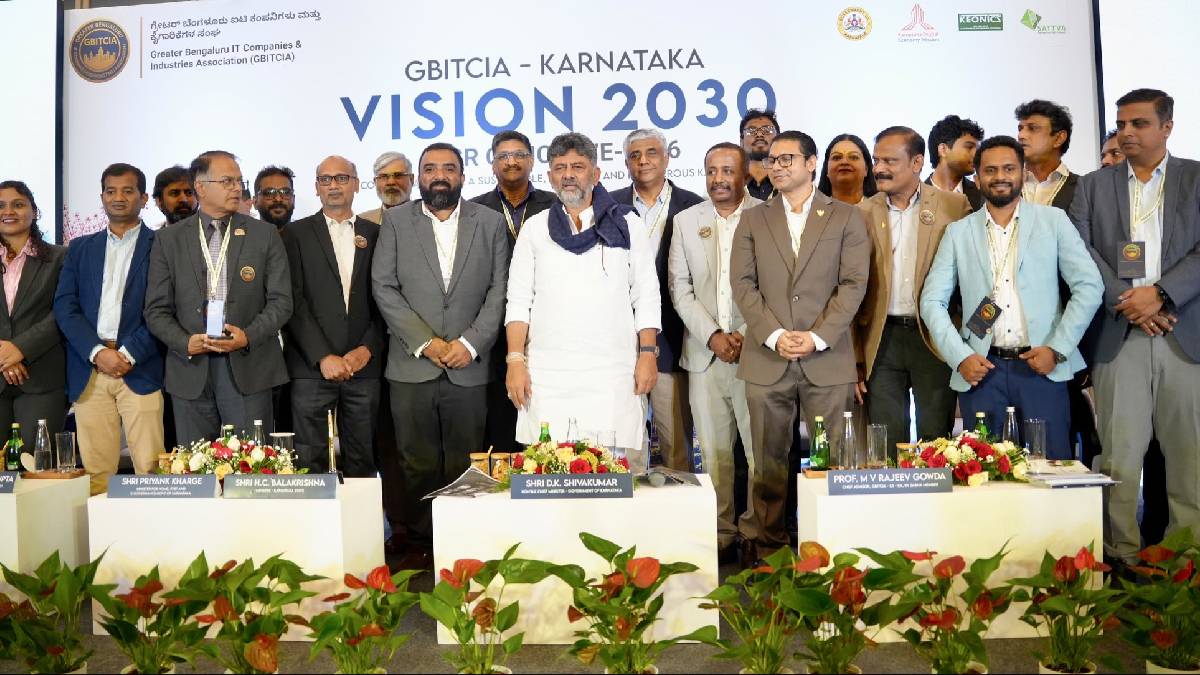
Professor Dhar shares the 2026 honour with Bernard Derrida, Marc Mézard and Haim Sompolinsky. The researchers have been recognised for their pioneering work on equilibrium statistical mechanics as well as for extending its concepts and methods to non-equilibrium statistical mechanics, optimisation problems, theoretical neuroscience and artificial intelligence.
Thanking Professor Dhar, Chief Minister D.K. Shivakumar stressed the significance of the achievement for Bengaluru and Karnataka. It’s important for India as Professor Dhar is the second Indian scientist to receive the ICTP Dirac Medal.
The first Indian recipient was Professor Ashoke Sen, who received the prestigious medal in 2014. Professor Sen is also associated with ICTS as the ICTS-Infosys Madhava Chair Professor.
The association between Indian Dirac Medallists and ICTS makes the achievement significant for Bengaluru. The city can now boast of being the home of both Indian holders of one of the world’s greatest honours in theoretical physics.
The achievement strengthens Bengaluru's stature as a global center for science, research, technology and innovation. What's more, despite the fact that Bengaluru is known as India's tech and start-up capital, institutions like ICTS have been instrumental in making Bengaluru a center for fundamental and theoretical scientific research.
ICTS, a campus of the Tata Institute of Fundamental Research (TIFR), is one of the world’s largest theoretical science centres. Research programmes, conferences, workshops, discussion meetings and academic exchanges are organised here.
The institute's work has made India much more integrated with the world scientific community. Its research activities cover a range of theoretical science, and can help researchers study very difficult problems and create new ways of doing basic research.
Karnataka has also announced its support for ICTS and to further develop the state's mathematical and physical sciences ecosystem. This is part of a vision for Karnataka to be a leading destination for scientific research.
An important part of this vision is the proposed Quantum City at Hesaraghatta, which is being planned as a major ecosystem bringing together research institutions, advanced laboratories, start-ups, industry and academic institutions.
The proposed Quantum City will have stronger connections between fundamental research and technology innovation. With researchers, entrepreneurs, companies and educational institutions joining, the initiative will help to promote cooperation and fast-develop new technologies.
Professor Dhar’s Dirac Medal comes at a remarkable time in which scientific disciplines are inextricably related. Research in statistical mechanics, optimisation, neuroscience and artificial intelligence is evidence that the fundamental theories we have in our study apply to a wide range of modern science and technology fields.
For Karnataka, the acknowledgment is also another reminder of the importance of ongoing investment in fundamental science. Although theoretical physics research does not always yield immediate commercial applications, it provides the intellectual foundation for further research and technology.
Chief Minister D.K. Shivakumar’s congratulations are in line with the state’s pride in Professor Dhar’s achievement and the state’s commitment to a healthy scientific ecosystem.
The honour will also inspire young scientists and students from Karnataka and India. Professor Dhar’s recognition shows that Indian scientists can also achieve international recognition in the world and contribute to the field of research that has been leading to high global scientific discoveries.
Bengaluru has now become a unique place for the study of science in India with Professor Deepak Dhar and Professor Ashoke Sen being at ICTS. The city is a key technology hub and the center for basic research and theoretical science as well.
Professor Dhar’s ICTP Dirac Medal is therefore a proud moment for Bengaluru, Karnataka, and India. As an excellent scientific achievement, it also demonstrates the strength of India’s research institutions and the growing global stature of Bengaluru.
As Karnataka is investing in advanced research, quantum technology and scientific infrastructure, such achievements as Professor Dhar's will serve as inspiration for the next generation of researchers.
Professor Deepak Dhar's global recognition is a proud achievement for Karnataka and another powerful testament to Bengaluru's growing place on the world's scientific map.