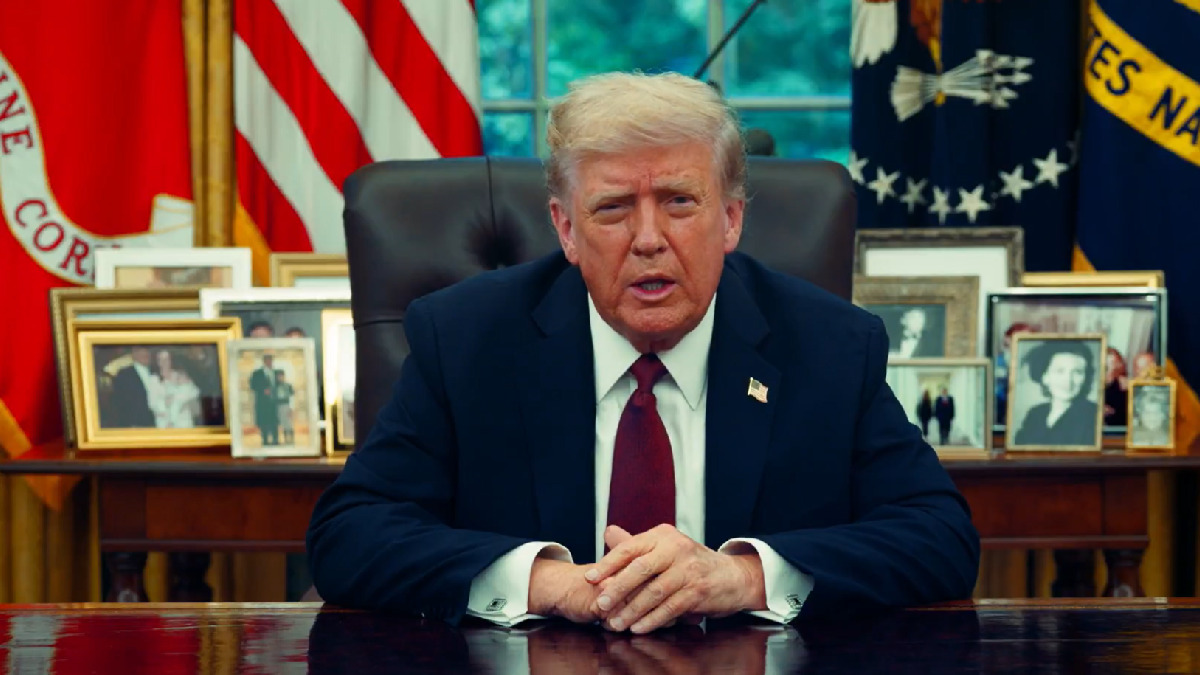
Trump has proposed a new tariff program for imported generic drugs and has outlined a phased approach to promote pharmaceutical manufacturing in the United States. The proposed framework would see imports of generic drugs covered by no tariffs for the first two years beginning August 1, 2026, followed by 100% tariffs in the third and 200% tariffs in the fourth year.

The proposal would be one of the administration’s most significant trade moves to help transform the pharmaceutical supply chain and reduce dependence on imported drugs. If it were implemented, the policy might be very much in the hands of pharmaceutical manufacturers, healthcare providers, international exporters, and consumers worldwide.
According to the proposed framework, the first two years would serve as a transition period. Companies importing generic medicines into the United States would be able to keep going without additional tariff costs and to adjust their supply chains and assess domestic production opportunities.
Though, from the third year, the proposal would involve a sharp increase in import duties, with generic medicines facing a 100% tariff. In the fourth year, the tariff would go up again to 200%, and imported generic medicines would become very expensive unless companies were to create or expand manufacturing facilities in the United States.
Objective Behind the Proposal
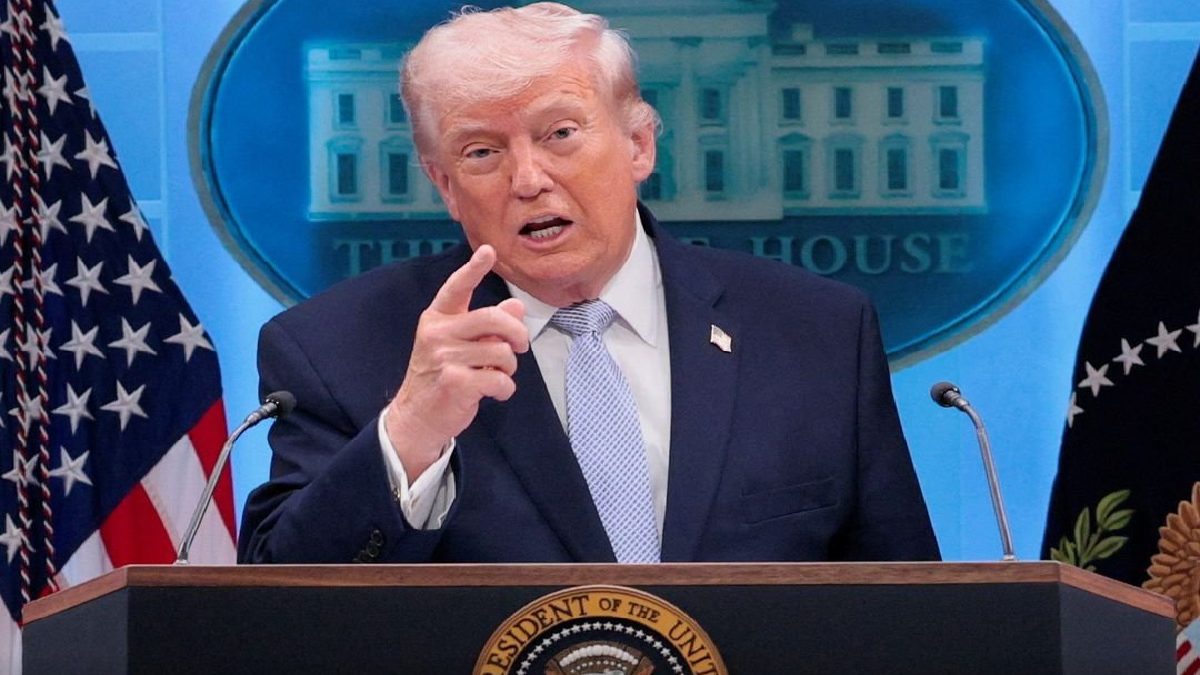
The primary goal of the tariff proposal is to strengthen domestic pharmaceutical manufacturing and reduce reliance on overseas production. Successive U.S. governments have expressed concerns about supply chain vulnerabilities exposed during global disruptions, like the COVID-19 pandemic, when shortages of essential medicines highlighted dependence on international suppliers.
As one of the proponents of the proposal says, domestic production would enhance national health security by creating a more resilient pharmaceutical supply chain. They believe that greater manufacturing in the U.S. would create jobs, spur investment, and lessen the risk of international supply disruptions.
Potential Impact on Global Pharmaceutical Industry
The United States is one of the world’s largest markets for generic medicines and imports pharmaceutical products from many countries, including India, China, and European manufacturers. If the import tariffs are increased dramatically, it would affect exporters that depend on a U.S. market.
India is often known as the “pharmacy of the world” and is one of the largest suppliers of generic medicines worldwide. Indian pharmaceutical companies sell a high volume of inexpensive generic drugs to the U.S. across therapeutic categories, from cardiovascular treatment to antibiotics and diabetes drugs. So the proposed tariff is likely to encourage companies to expand manufacturing in the U.S. if the policy gets enacted.
Concerns Raised by Industry Experts
Supporters emphasize domestic manufacturing, but critics say excessive tariffs on imported generic medicines could increase healthcare costs if lower-cost imports become less competitive. Generic medicines are important in reducing prescription drug costs, and many healthcare providers depend on affordable generic alternatives to reach patients.
Healthcare economists say that the eventual impact on medicine prices would depend on a number of aspects, including domestic production capacity, competition among manufacturers, regulatory approval of medicine, and market response.
Industry officials have also mentioned the high investment and regulatory requirements for establishing pharmaceutical manufacturing facilities. Development of new production plants and regulatory approval from the FDA and other agencies are among the major challenges.
Transition Period May Provide Adjustment Time
The two-year tariff-free period is meant to give firms time to adjust before the import duties go into effect; it seems like the two-year period of import duties is intended to allow for greater flexibility. In this period, manufacturers would be able to evaluate investment opportunities, restructure supply chains, or work together with partners to expand their U.S. presence.
Trade experts say that phased implementation is often employed in order to minimize market disruption and to allow businesses more certainty about future policy change.
Broader Trade and Economic Implications
The proposal is part of a larger agenda to make more money and ensure greater domestic manufacturing and economic self-reliance in a portfolio of key sectors. In recent years, governments have increasingly concentrated on securing critical supply chains for pharmaceuticals, semiconductors, and other essential sectors.
If implemented, the tariff policy would impact trade negotiations and pharmaceutical investment decisions. Companies that export generic medicines to the U.S. could think of making changes in their manufacturing strategies, and investors will be closely monitoring developments in one of the world’s top pharmaceutical markets.
At present, the proposal is part of the administration's policy agenda, and final implementation would depend on the applicable legal, regulatory, and administrative processes. Product coverage, exemptions, and implementation guidelines may be provided as the policy is developed.
As governments weigh healthcare affordability with domestic industrial growth, the proposed tariff framework will continue to be a global pharmaceutical industry touchpoint. The long-term effects on medicine availability, pricing, and international trade will be watched closely by manufacturers, exporters, healthcare providers, and policymakers in the future.