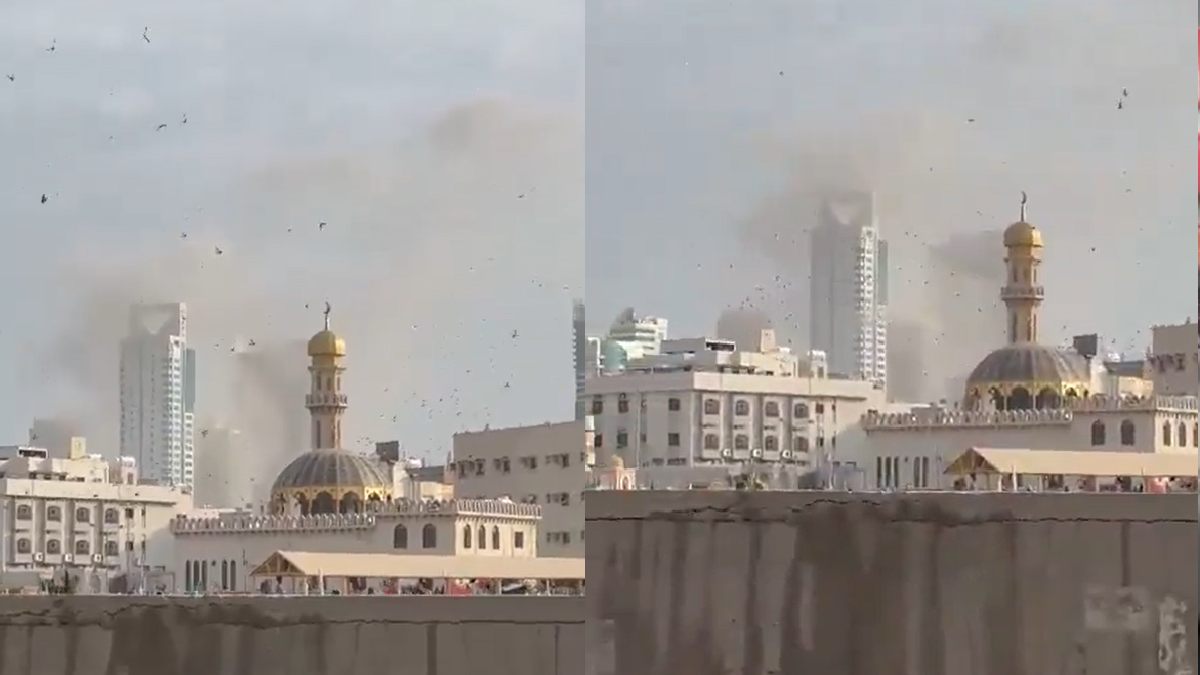
Dubai and the wider United Arab Emirates (UAE) experienced severe aviation disruption this week after the government briefly shut its airspace in response to a renewed wave of incoming Iranian missiles and drones, part of the escalating war involving Iran, the United States, and Israel. The abrupt closure triggered widescale flight cancellations, diversions, and chaos across global air routes, with major carriers forced to reroute or suspend services as the Middle East conflict intensified.
The UAE’s General Civil Aviation Authority confirmed that airspace was temporarily closed as a precautionary measure after Iranian missiles and unmanned aerial vehicles (UAVs) were detected overhead, posing potential risk to commercial aircraft and aviation infrastructure. Authorities stated that defensive systems were actively intercepting hostile threats aimed at the emirates.
The unrest has been tied to the broader 2026 Iranian strikes on the United Arab Emirates — a campaign that began on 28 February after joint U.S. and Israeli military action inside Iran — and has seen thousands of missiles and drones launched into UAE airspace. According to UAE defence reports, the majority of these threats have been intercepted, though debris and falling parts have still caused localized fires and occasional damage in areas around Dubai and Abu Dhabi.
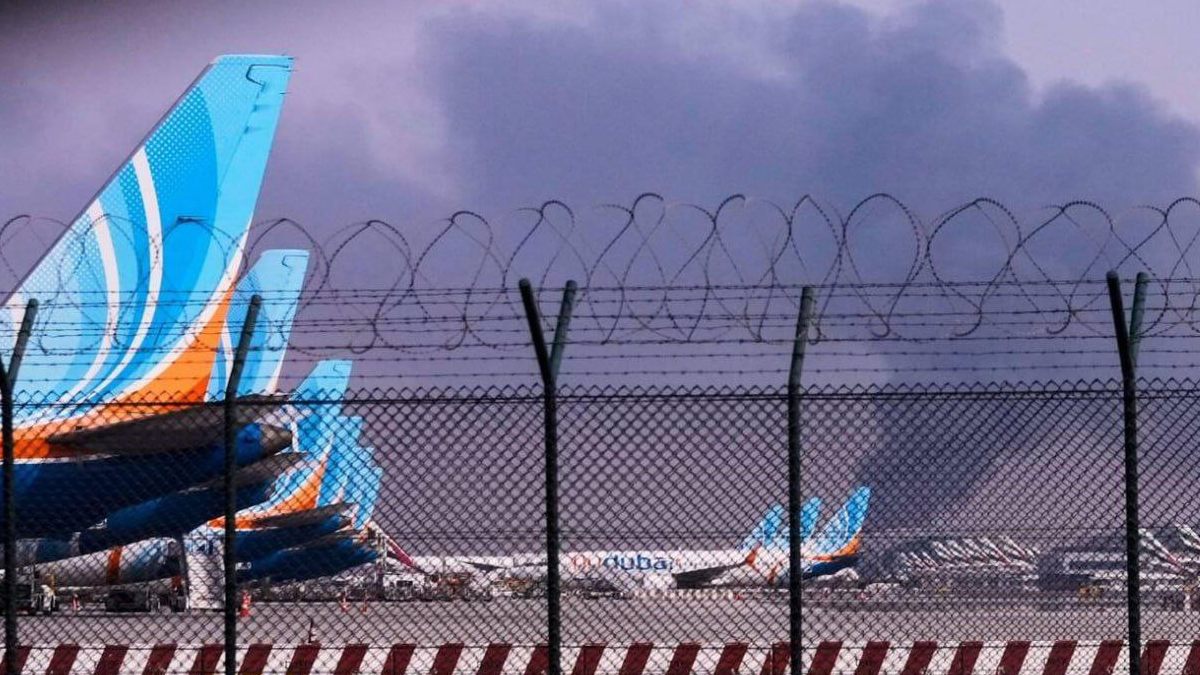
The ripple effects on aviation were immediate. Dubai International Airport (DXB), one of the world’s busiest hubs, halted operations for several hours on multiple days during the escalation, with smoke visible near the airport after at least one drone strike hit a fuel tank. Emergency teams quickly contained fires, and no major casualties were reported in that incident, though some travelers and staff were briefly stranded and flights were disrupted worldwide.
Global carriers reported cascading delays and cancellations as airlines adjusted schedules to avoid Gulf air routes, leading to knock‑on effects from East Asia to Europe. Some flights were diverted to alternate airports in the region, while others were canceled altogether, leaving thousands of passengers scrambling to rebook or find accommodations.
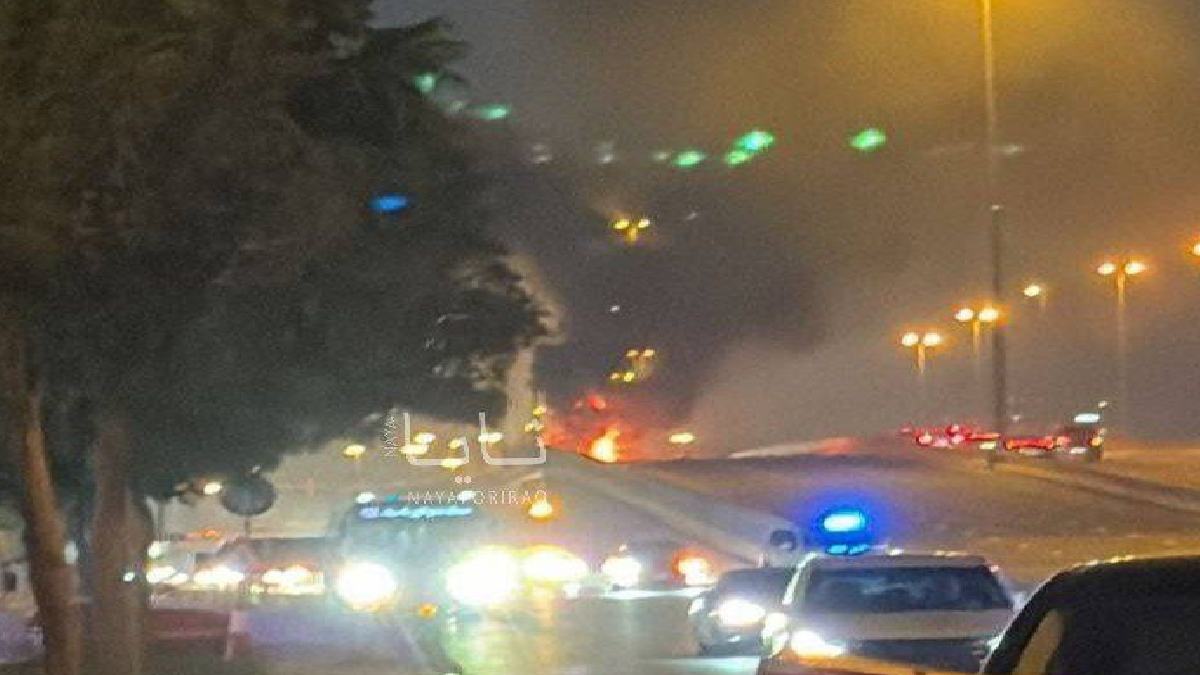
UAE officials have reiterated that the airspace shutdown was temporary and intended to protect civilian lives and critical infrastructure, with normal operations resuming once the immediate threats were assessed. Nonetheless, the episode has stoked traveler anxiety and underscored just how significantly geopolitical conflict can disrupt international travel and logistics.
As tensions persist, international aviation authorities and airlines continue to monitor the situation closely. Travelers heading to or through the Middle East are advised to stay informed of airline updates and flexible ticketing options, as the conflict’s evolution could prompt further regional precautions.