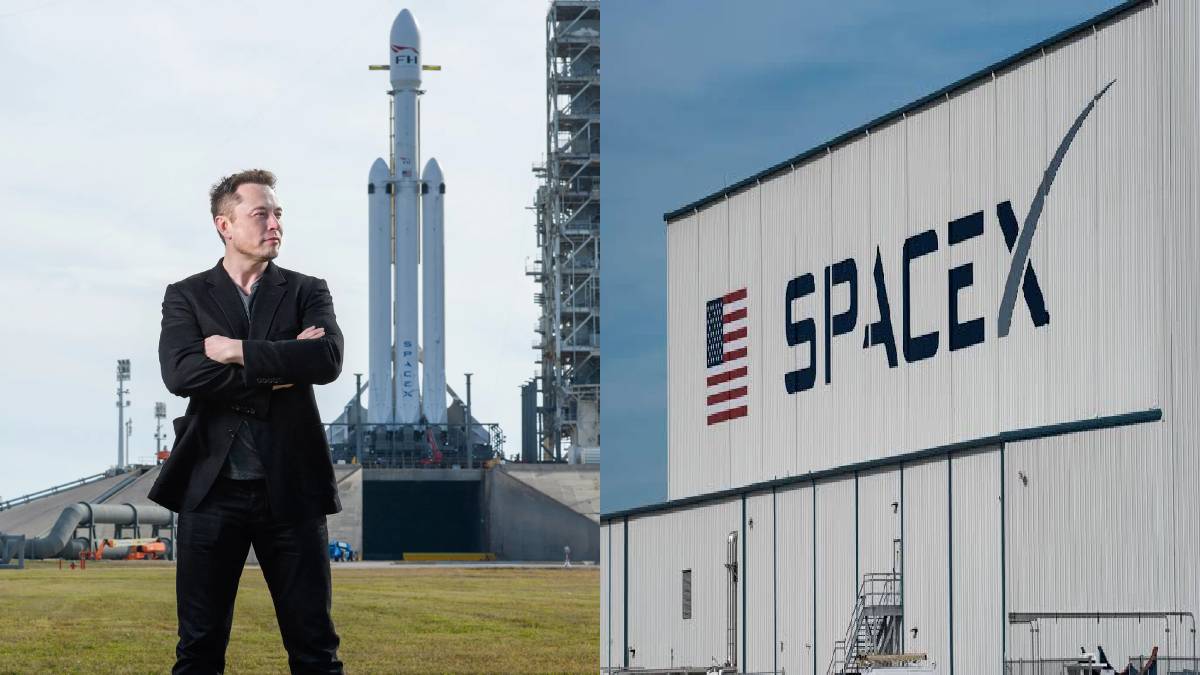
Elon Musk, the founder of Tesla, SpaceX and xAI, has reached a historic milestone in modern business history. Now his net worth is estimated to be somewhere around $780–$800 billion -- making him the very wealthiest person ever. More than just about the figures, this is also an indication that the increasing role of technology, artificial intelligence, and private space developments — along with AI and space companies — has been contributing to creating new paths to global wealth.
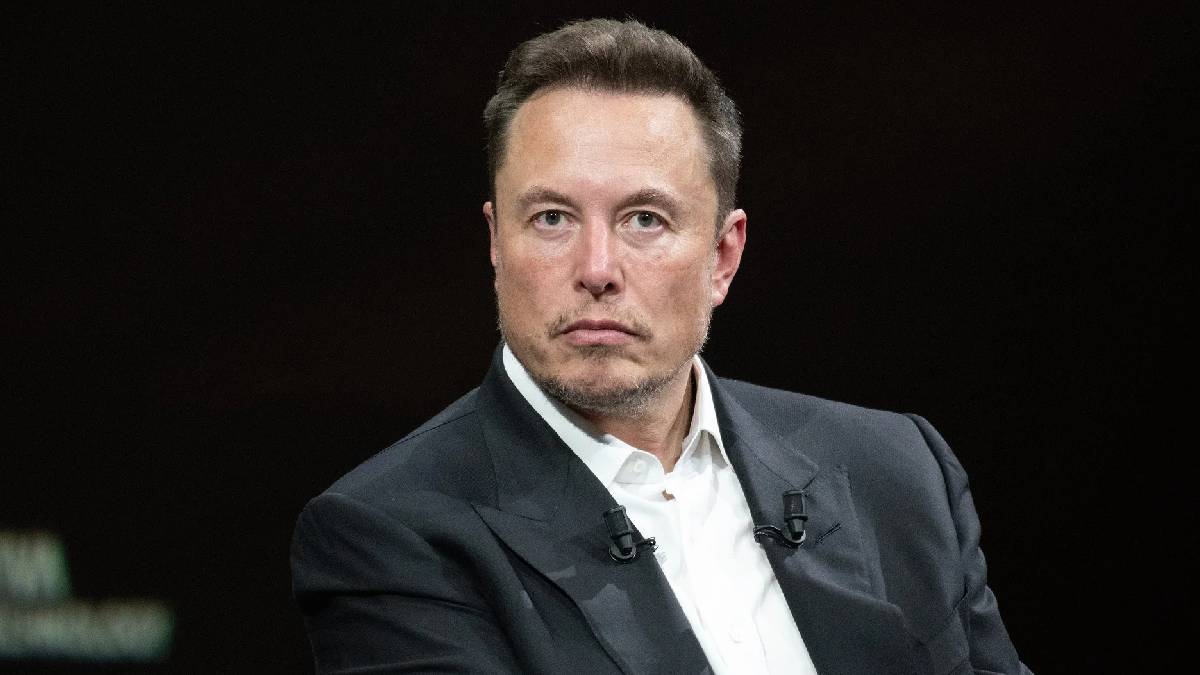
Musk’s ascent to this level of wealth came about for a number of reasons. Tesla remains an electric vehicle leader, and he boasts solid stock performance that has contributed billions to his wealth. SpaceX has become one of the biggest names in private space exploration, winning contracts with NASA and advancing ambitious Mars colonization plans. And in the meantime, his AI company xAI has enjoyed a twofold increase in valuation in a year, valued at $250 billion. Musk is the owner of almost half of the company and his stake, alone, is now worth more than $120 billion.
The achievement matters, because it is an excellent example of how digital invention and private ventures can build wealth on a level previously the province of oil companies or industrial titans. Musk’s fortune isn’t one of legacy industries — it’s about advanced technologies to power electric cars, generate reusable rockets to launch rockets again, and artificial intelligence. His success demonstrates entrepreneurs today are not just owners of businesses but visionary reformers of global markets, too.
Musk is expected to be the first trillionaire of the world within the next few years if Tesla, xAI, and SpaceX continue their growth. But Musk himself has said that his goal in life is something much deeper: to use resources not just to create personal wealth but to “get humanity to Mars and preserve the light of consciousness.” This is to illustrate that he perceives his fortune as a tool for advancing civilization rather than simply hoarding wealth.
The news of Musk receiving a valuation of $800 billion has attracted mixed reactions. Admirers recognize him as proof of how innovation can result in new heights of success — and what to his admirers are unprecedented successes are proof of just how innovation can yield unparalleled success. Critics contend that such wealth is such that it may imply the concentration of wealth brings into question inequality as a challenge for both development and resource allocation. But many people are just amazed at how quickly his fortune ballooned, increasing nearly as much as eight out of ten in three short years — from approximately $170 billion two years ago, he raised it to nearly $800 billion now.
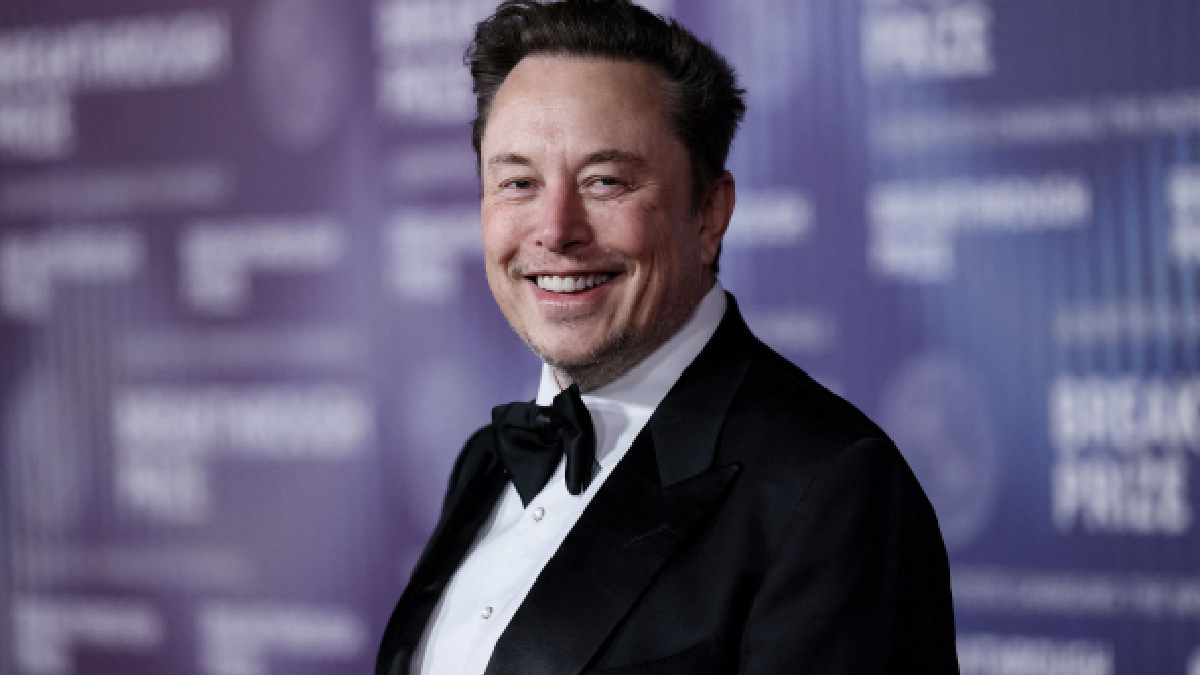
Musk's journey offers some lessons for today's business people. Innovation is the source of wealth, and technological breakthroughs can also generate fortune larger than what is produced by traditional industries. Today’s entrepreneurs operate on a global scale in a way not seen before, affecting markets, countries, governments and even space exploration. Musk's ventures are beset by scrutiny and setbacks, although he has so far made tremendous profits from taking risks.
Elon Musk’s virtually $800 billion net worth represents the future of human creativity and technological revolution. While ongoing discussions about inequality and the concentration of wealth won’t be settled to this day, one thing is certain: Musk has redefined what it means to be a contemporary entrepreneur. He demonstrates that the size and scale of wealth can be created through vision, innovation and bold risk in today’s digital day and age.