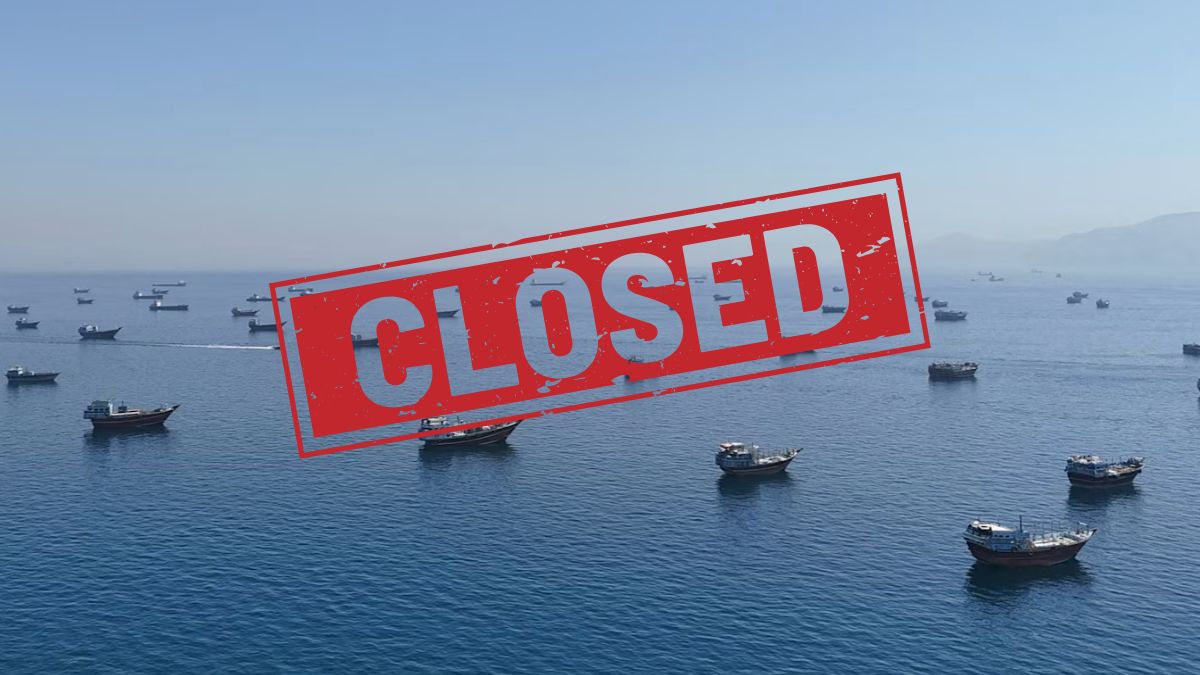
It’s the European Union Aviation Safety Agency (EASA) that is sounding the alarm in an ominous advisory not to travel to Iran in light of increasing disorder and military escalation. The ruling is more relevant as concerns mount about the safety of nonmilitary aircraft that operate in the Tehran Flight Information Region (FIR) in a region where the chances of misidentification by Iranian defense systems are considerably higher.
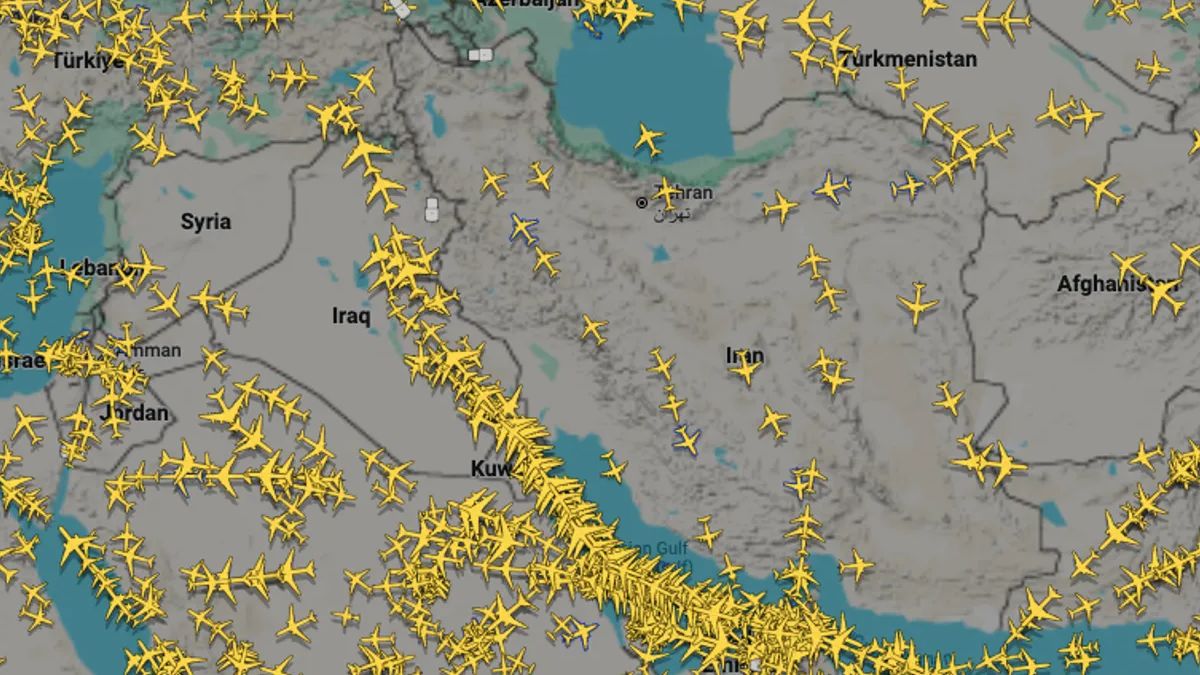
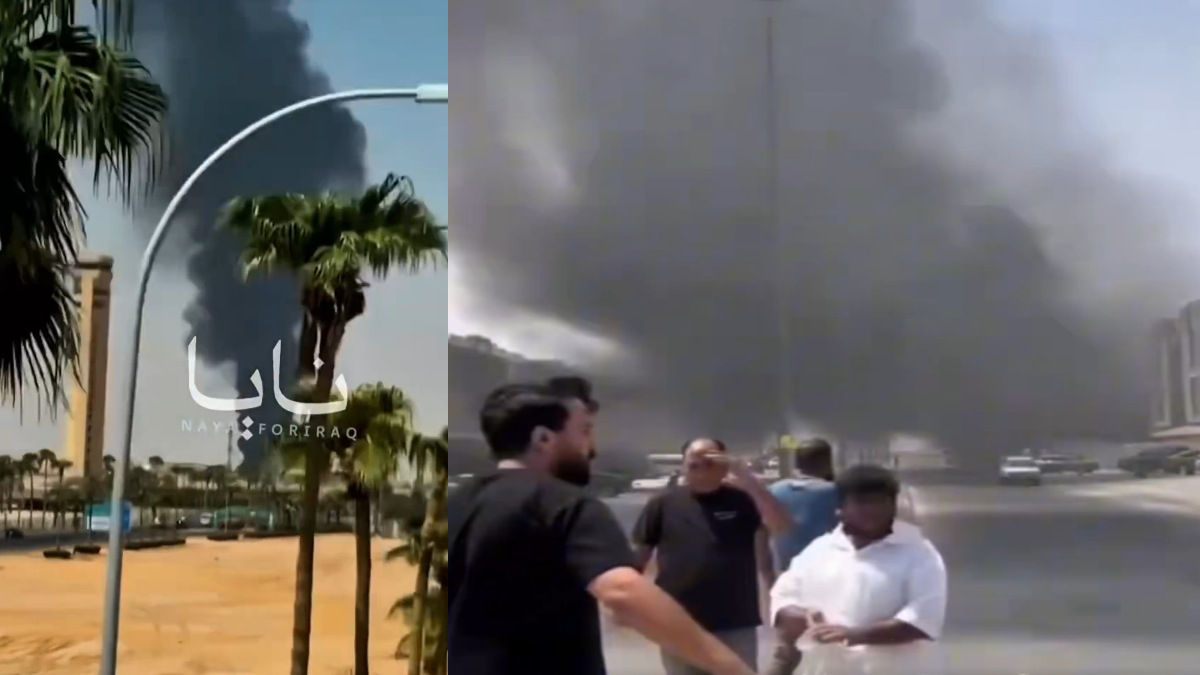
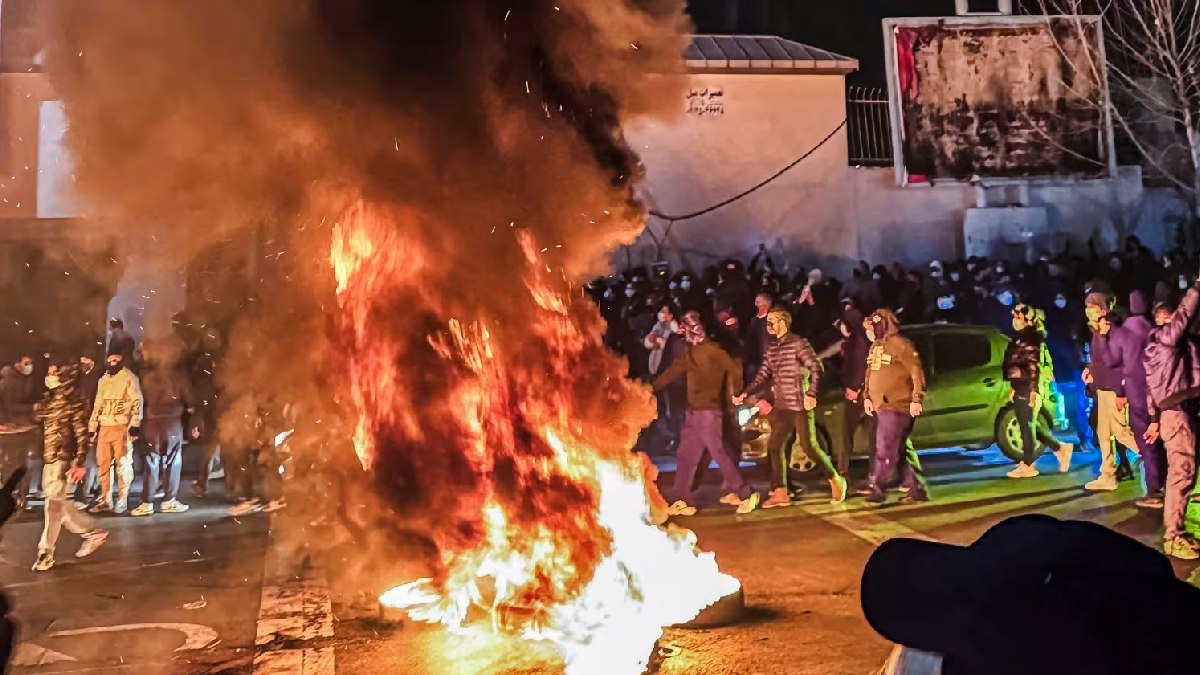
EASA’s alarm spotlights how delicate the security scene in Iran is, where protests and government restrictions have been ratcheting up in recent weeks. With the Iranian air defense systems on high alert, the risk for civilian aircraft to be mistaken for hostile targets is acute. The agency said that the unpredictable nature of the situation and the availability of advanced weaponry has rendered the skies over Iran unsafe for commercial aviation.
These recommendations are hardly new, given similar warnings have been repeated in the past in times of high conflict in the Middle East, highlighting the continuing fragility of civil aviation in turbulent regions. Already airlines throughout Europe and Asia have begun to respond to advice. Several airlines have rerouted flights to avoid Iranian airspace; resulting in longer travel times, higher fuel consumption and operational costs.
Passengers, too, have experienced delays and some services cancelled completely in areas of service disruption where rerouting is not feasible. Airlines like Air India have announced changes they will implement on their flight schedules, putting safety before ease. These changes may result in practical difficulties, but they demonstrate the industry’s dedication to passenger and crew safety in precarious situations, and to protecting the common man.
There are wider lessons to be learnt from the recommendation from the advisory that have consequences beyond what they need to know, in aviation in particular. It illustrates how political instability disrupts global travel and commerce, thereby showing that security and trade are not separate topics. The air routes in the Middle East are still an essential link for international commercial traffic, and disruptions in this region cause ripples along global aviation networks across the region.
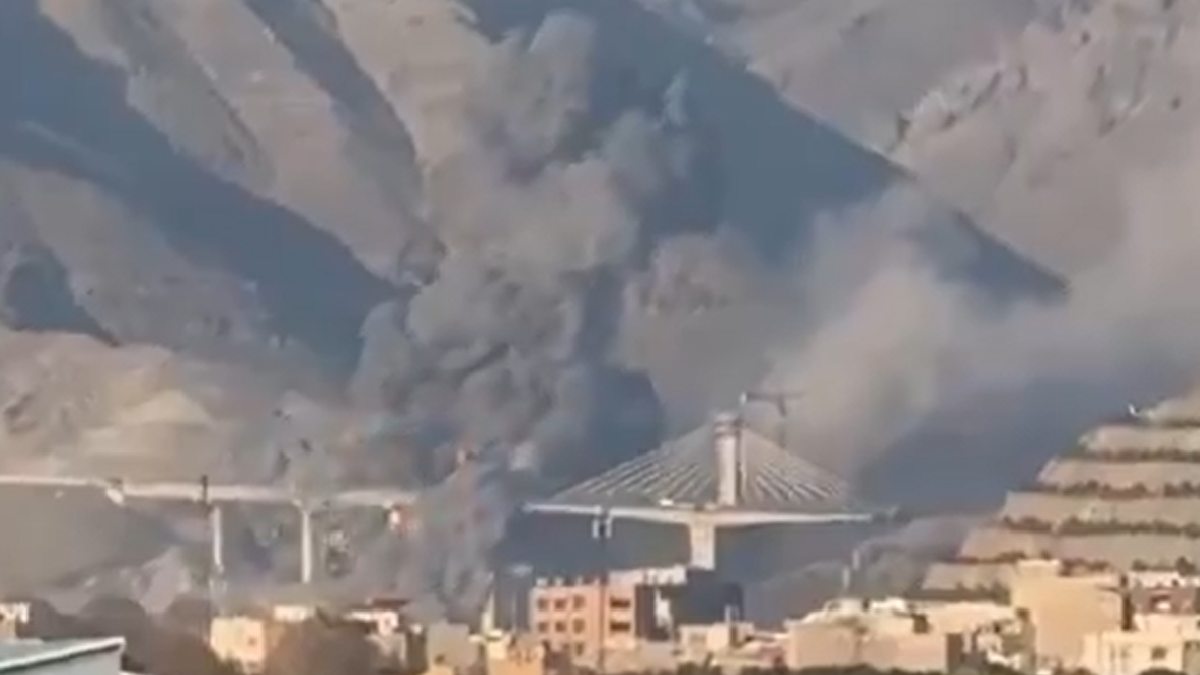
The directive is meant to be put in place to prevent similar fatal incidents which, like civilian aircraft downed in war areas of yesteryear, is another significant area that must be forewarned off. Until the tension abates, airlines are expected to adhere to the advisory in a “rigid manner” and to keep safety at the top of their list of priorities.