A major emergency operation is underway in the coastal town of Falmouth after the discovery of a suspected unexploded World War II bomb near Falmouth Docks. The incident has led to the evacuation of hundreds of homes, the establishment of a large safety cordon, and the deployment of Royal Navy bomb disposal experts.
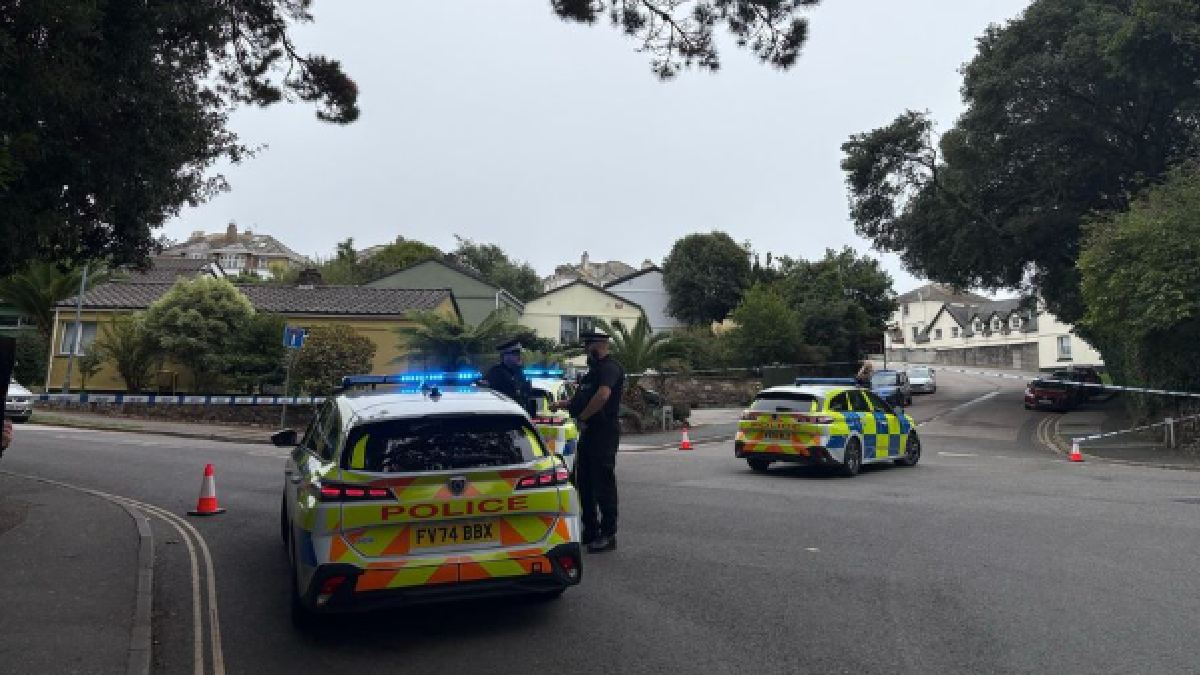
The suspected device, believed to be a 250-kilogram American air-dropped bomb dating back to World War II, was found in the water near Falmouth Docks earlier this week. Following its discovery, emergency services launched a large-scale response involving Devon and Cornwall Police, Cornwall Council, the Coastguard, Cornwall Fire and Rescue Service, the Port Authority, and Royal Navy explosive ordnance specialists.
Authorities have established an exclusion zone of approximately 750 metres, covering a significant residential area around the docks. As part of the precautionary measures, residents living within the cordon were instructed to leave their homes while specialists assess the device and prepare a safe disposal operation. More than 300 homes, including around 339 properties, fall within the evacuation area.
The Royal Navy confirmed that Bravo Squadron of the Diving and Threat Exploitation Group, based at HMNB Devonport, has been deployed to assist with the operation. The unit specialises in dealing with unexploded ordnance and underwater explosive threats. Their role is to assess the condition of the suspected bomb and determine the safest method of removal or disposal.
Superintendent Vicky Howell of Devon and Cornwall Police said emergency services are working closely together to ensure public safety. She thanked residents and businesses for their patience and cooperation and urged people to avoid the restricted area while the operation continues.
The discovery has also disrupted local transportation. Train services between Falmouth Town and Falmouth Docks have been suspended, and road access around the affected zone has been restricted. Officials warned that travel disruptions could continue until the device has been safely removed and the cordon lifted.
Cornwall Council has established support arrangements for residents affected by the evacuation. Community facilities, including local churches and emergency support centres, have been made available for people who need temporary accommodation or assistance. Officials have advised residents not to return to the area until authorities confirm it is safe to do so.
Falmouth's wartime history is believed to be linked to the discovery. The docks were targeted multiple times during German bombing raids in World War II, and unexploded ordnance occasionally surfaces decades later during construction work, dredging operations, or underwater inspections. Experts note that such devices can remain dangerous despite being submerged or buried for many years.
Authorities are expected to move the device to a safer offshore location if conditions permit, where it could be detonated in a controlled operation. However, officials have emphasised that plans may change depending on the bomb's condition and the assessment by Royal Navy specialists.
For now, emergency services continue to monitor the situation closely. Residents have been urged to follow official instructions and stay clear of the exclusion zone as one of Cornwall's largest bomb-disposal operations in recent years unfolds.