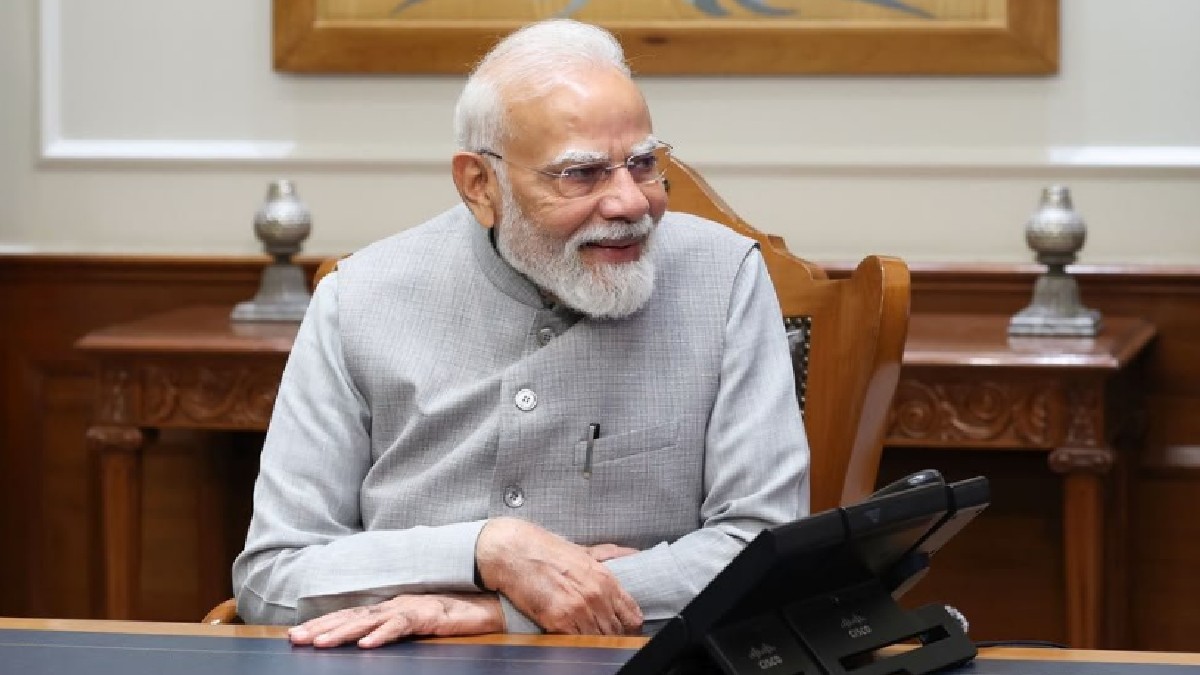
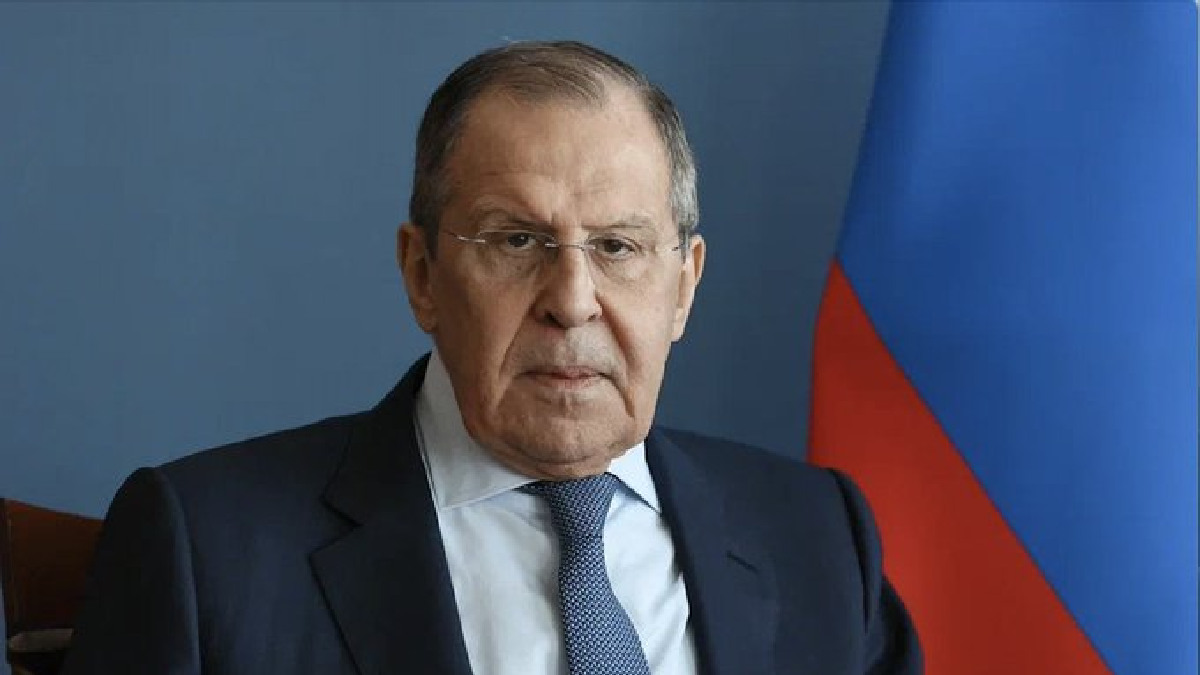
Ukrainian President Volodymyr Zelenskyy has called on India, China and Turkey to reduce or stop their energy trade with Russia because Moscow’s reliance on major energy buyers provides an important source of economic support during the ongoing Russia-Ukraine war.
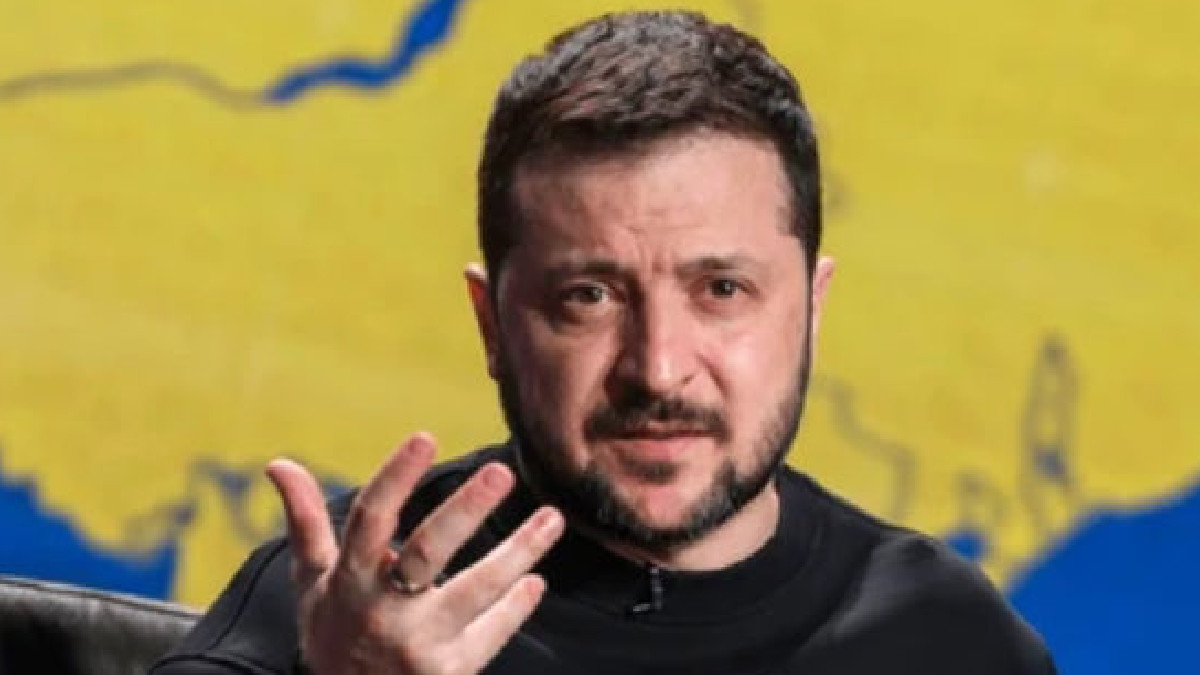
Zelenskyy said Russia was heavily dependent on India, China and Turkey for its economy. If these countries stopped buying Russian energy, he told The Wall Street Journal, Moscow's ability to carry out the war would be hampered by economic pressure. His comments came as international discussions on sanctions, Russian oil revenues and efforts to end the conflict intensified at the United Nations General Assembly in New York.
Zelenskyy’s comments put India’s purchases of Russian crude oil in the spotlight. India has been one of Russia’s biggest oil customers since the war began, with refiners boosting the purchase of discounted Russian crude after Western sanctions disrupted Moscow’s traditional energy markets. Russia has remained India’s largest crude supplier despite continuing diplomatic pressure from the United States and its allies.
However, recent trade data suggest that India’s purchases of Russian crude have already fallen. India’s Russian oil imports fell by 16.5 per cent in August 2026 to around 2.1 million barrels per day, according to Reuters. In September, imports could go down further to around 1.9 million barrels per day. Russia was still India’s biggest oil supplier in the period.
India has said that its energy procurement is driven by energy security, affordability and market conditions in mind and has also stressed the need for adequate supplies for one of the world’s largest energy-consuming economies. As an oil importer with a huge number of suppliers, India has been increasing the amount of crude it buys based on price, availability and geopolitical situation.
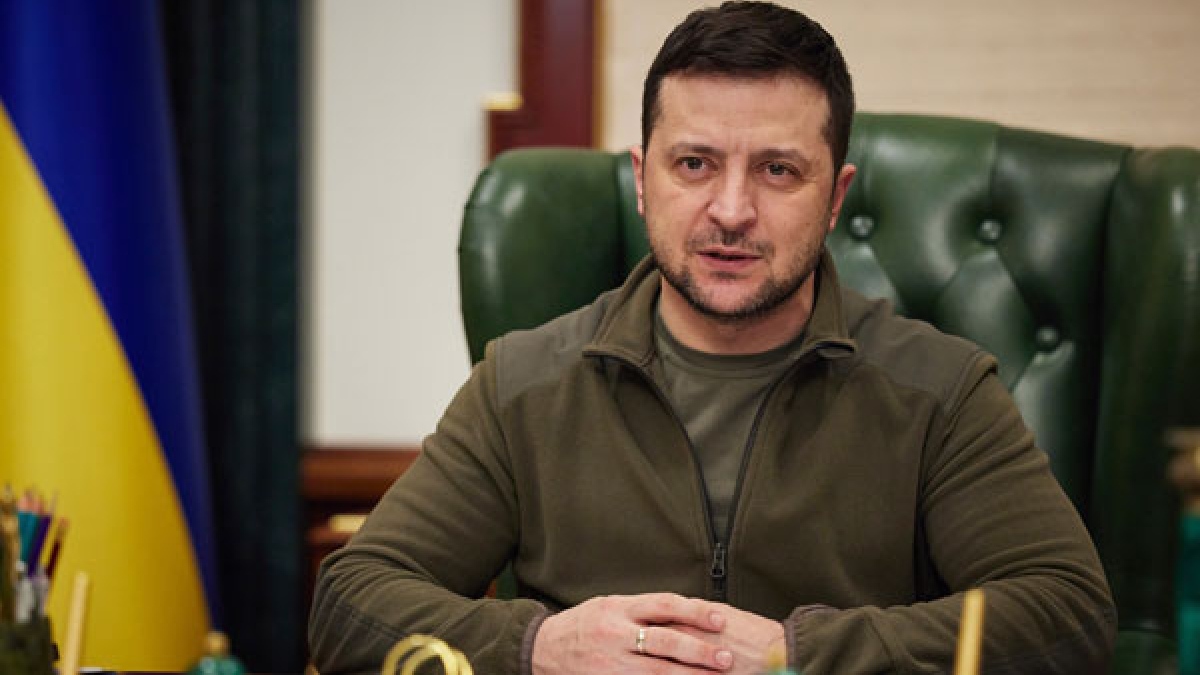
Zelenskyy’s appeal comes at a time when Washington is also stepping up pressure on countries that continue to buy Russian oil. Trump has signed legislation giving his administration powers to impose tariffs of up to 100% on countries that buy Russian oil, according to media reports. India and China are among the countries that are at risk of being affected by such measures.
The Ukrainian president has argued that restricting Russia’s energy revenues could create greater economic pressure on the Kremlin and encourage negotiations to end the war. He also said he hopes the United States would use its new sanctions powers if Russian President Vladimir Putin does not agree to de-escalation efforts.
The issue is particularly significant because oil and gas revenues still make up a big part of Russia's economy. Energy exports provide Moscow with foreign currency revenues and government money, but sanctions and trade routes have changed Russia's energy business dramatically.
The Russian oil dispute is also complicated by the effect on global energy markets. If Russian crude exports suddenly halted, international oil supplies and prices would be rocked, and countries like India would need to find alternative suppliers. Indian refiners have already begun to turn to spot markets for oil imports as they worry about tighter sanctions against Russian oil buyers.
Zelenskyy’s comments come as there is also renewed diplomatic activity around the war. Speaking after a meeting with Trump on the sidelines of the UN General Assembly, Zelenskyy said Ukraine was ready to hold an “energy ceasefire” with Russia. He said Kyiv would stop attacking Russian energy infrastructure if Moscow didn’t attack Ukraine’s electricity, heating and water systems.
The recent developments underline growing ties between energy trade, international sanctions and diplomatic efforts to resolve the Russia-Ukraine conflict. And although Zelenskyy is calling on India and other major buyers to lower energy ties with Moscow, India is still balancing geopolitical concerns with domestic energy requirements.
So the future of Russian oil purchases by India is likely to remain a major issue in discussions between New Delhi, Washington, Moscow and Kyiv as international efforts to resolve the war continue.