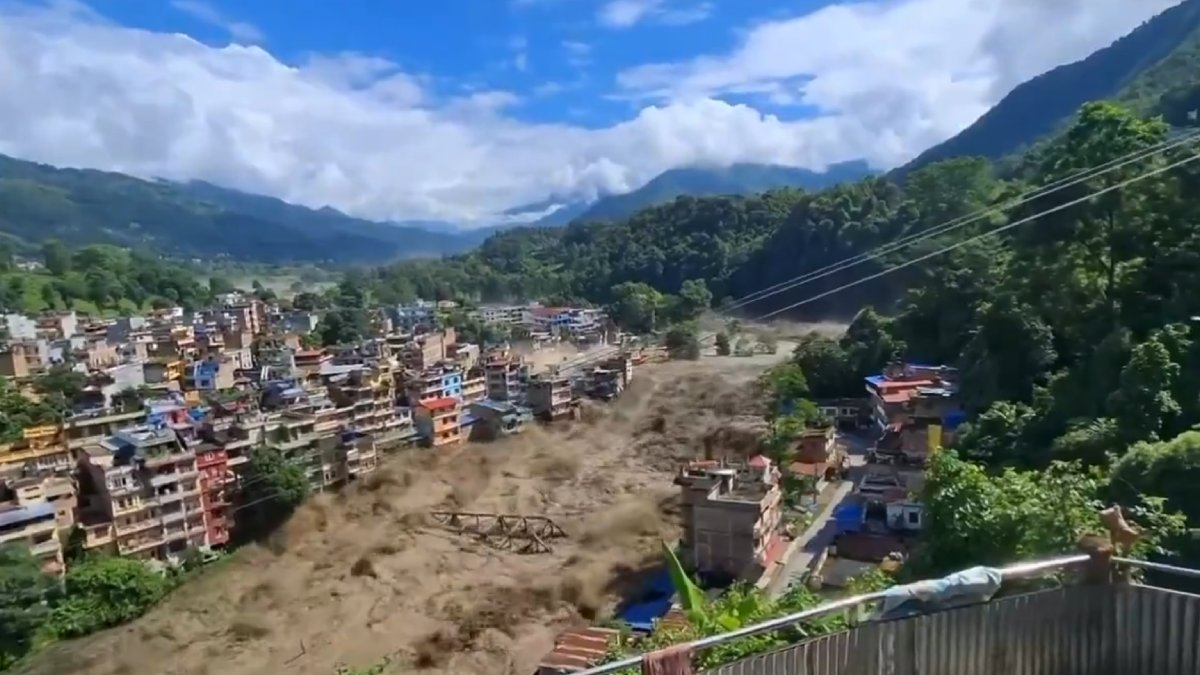
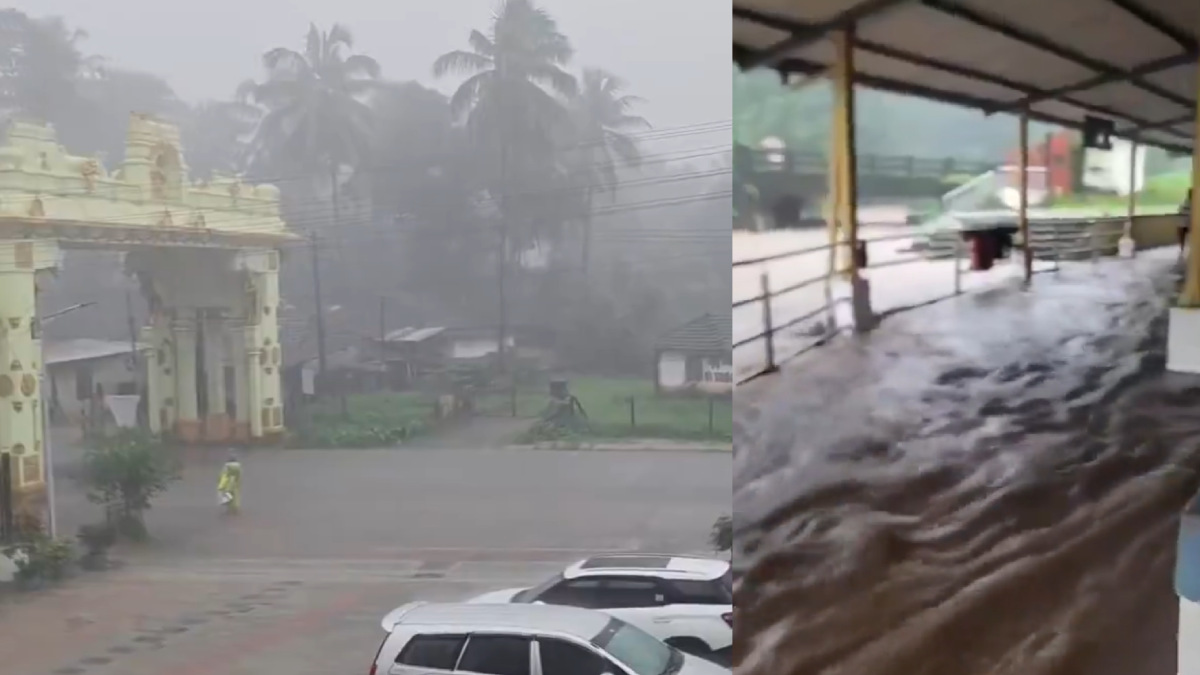
Flash flood hit Nepal’s Rasuwa district near the China border and has wreaked havoc on hydropower plants, roads and infrastructure and villages in Nepal’s Rasuwa district in a flash flood as emergency rescue and aid efforts have been launched in Nepal’s Rasuwa district. The flood hit at 9 a.m. local time today, and the rapidly increasing water levels raised concerns for communities downstream.
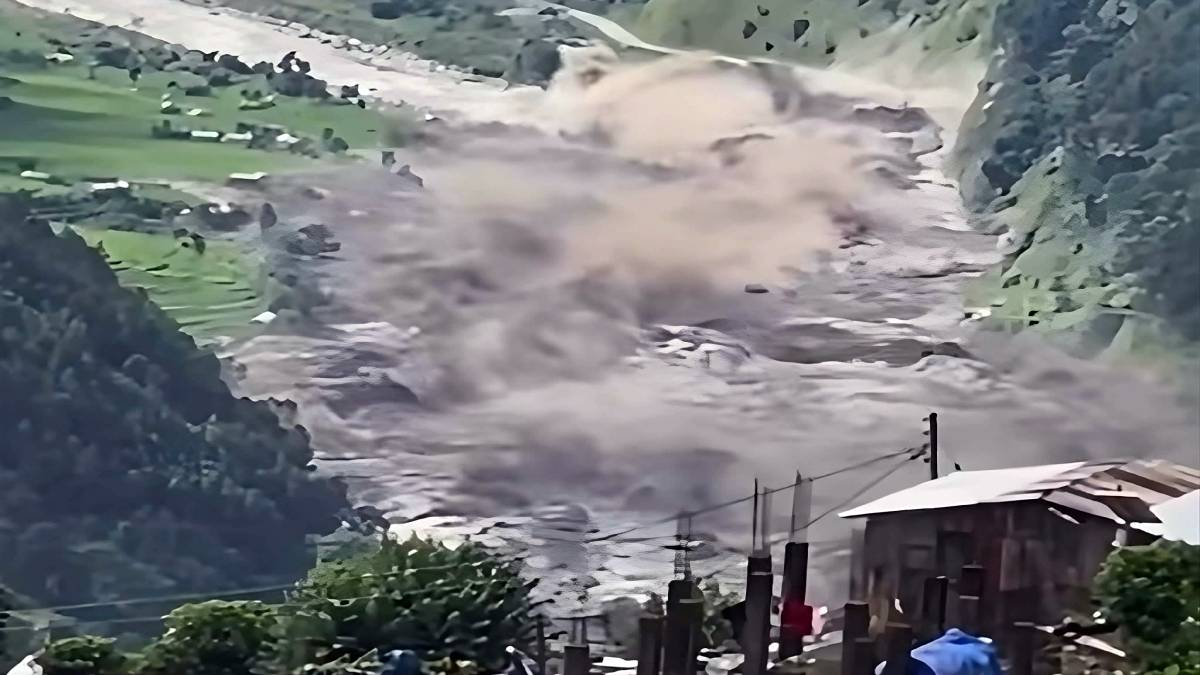
It is still unclear what precipitated the sudden flooding. Early reports are that it was caused by torrential rain or by an outburst of glacial lakes on the Tibetan side. The source of the disaster is still being investigated to determine the extent of damage and if there could be more.
Rasuwa is a difficult mountain landscape for rescue teams. Emergency personnel cannot quickly reach affected settlements and infrastructure due to mountainous terrain and limited access routes. So aerial assistance has become a vital part of the response.
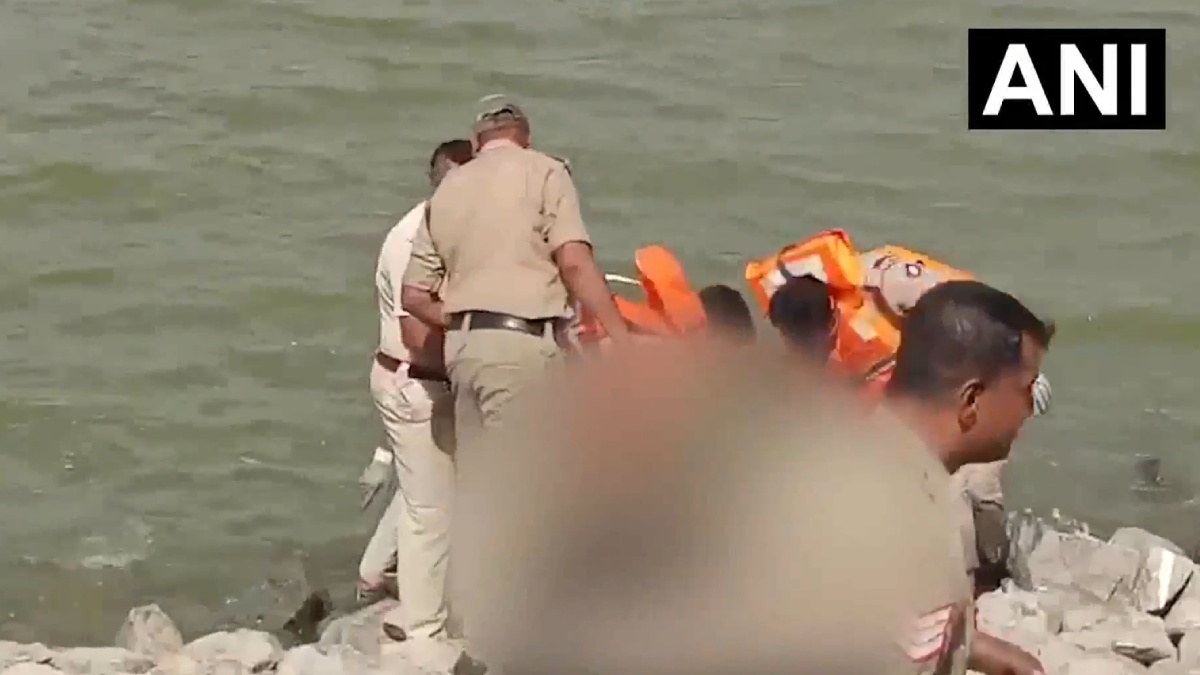
Nepal’s Prime Minister ordered the army, police and medical personnel to mobilise to rescue and emergency operations following the incident. Helicopters have also been used to assist in the response, especially in the areas which are difficult to reach by road.
Damage is being assessed, and possible casualties are being evaluated. How far the damage is from now is uncertain given the continued access of rescue workers to areas and information from people living in the disaster zone.
The flooding has affected hydropower stations and other infrastructure, and there is a danger of damage to hydropower plants and other infrastructure that is needed for Nepal’s electricity generation and local connectivity. But that has also been a concern for communities near rivers and water bodies, and evacuation and relief efforts are taking place along rivers and waterways.
People living along rivers in five downstream districts have been warned to move to safer and higher ground. Water levels are rising along the Trishuli River, one of the major river systems flowing through the region.
The downstream threat is extremely concerning because flash floods originating in mountainous areas can travel through river channels rapidly and communities have little time to react. And so residents living close to riverbanks are advised to be vigilant and to listen to local authorities.
Emergency teams are expected to prioritise search-and-rescue operations, evacuation of vulnerable residents and medical assistance for those affected. Roads, bridges, power stations and other critical infrastructure are also being monitored, officials said.
A glacial lake outburst will be of particular interest to authorities and disaster management agencies. Glacial lake outburst floods can occur when water stored behind unstable natural barriers is suddenly released, sending large volumes of water downstream. But officials will need to complete assessments before confirming whether such an event was responsible for the Rasuwa flooding.
A major flood has occurred in the #Bhotekoshi #River in Rasuwa district, #Nepal. Government officials have assessed that the flood may have been caused by the bursting of a glacial lake at a higher elevation. + pic.twitter.com/7isd9mQNGQ
— Milan Budhathoki (@milanbichhod) August 26, 2026
Himalayan communities and infrastructure are also vulnerable to sudden extreme weather and water-related disasters, the incident has also illustrated. Nepal’s mountainous districts are prone to landslides, floods and avalanches, and the changing weather and glacial lakes are more dangerous.
Helicopter and security and medical teams have been working hard, and efforts to find a safe and quick response are continuing to rescue teams to save lives with helicopters and security and medical teams deployed. The authorities will be able to give more updates when teams are able to assess casualties and infrastructure damage and to provide information on the situation in the affected areas when they reach the areas in the middle of the crisis and the extent of casualties and damage to the infrastructure.
For the people living along the Trishuli River and other downstream waterways, the immediate concern is safety. Water levels are still a concern, and people in vulnerable areas should move away from riverbanks and follow evacuation instructions, the state said.
The situation is still fluid, and the extent of the disaster may become clearer over the next 24 hours as rescue teams conduct their assessments. Nepal’s authorities are still coordinating military, police, medical and local-government resources for the flash flood in Rasuwa.