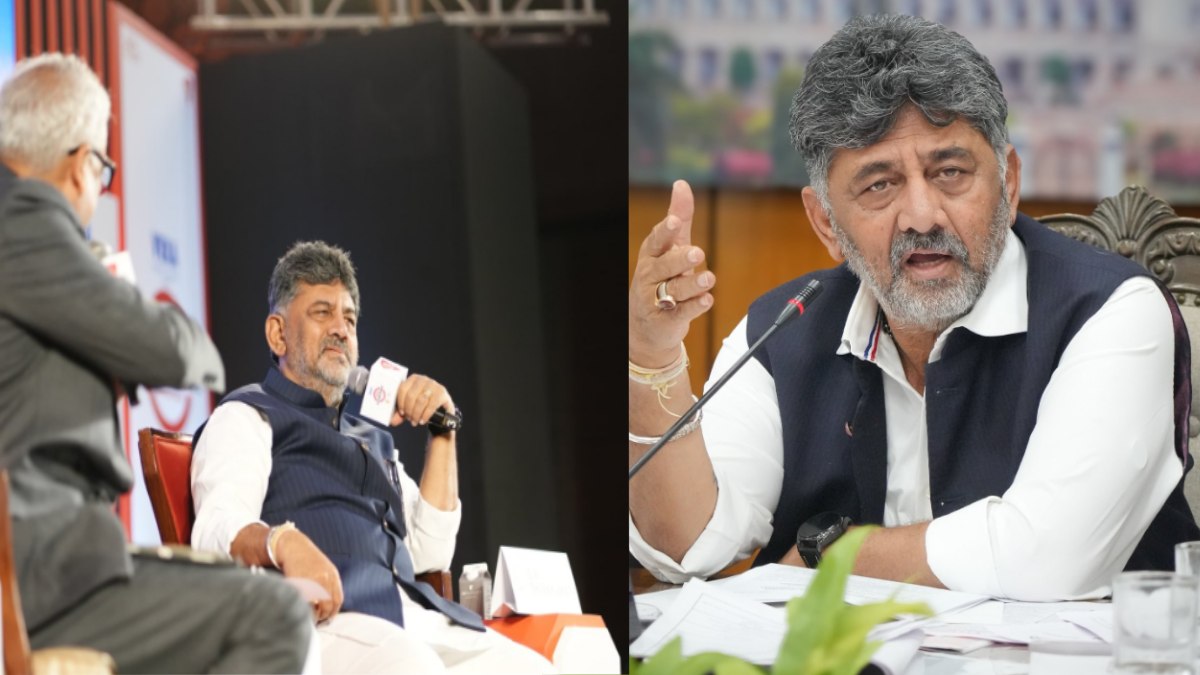
A parliamentary standing committee unanimously adopted its draft report on reforms and improvements to the National Testing Agency (NTA) as opposition and ruling alliance members were divided over whether the agency should be given statutory status. The Department-related Parliamentary Standing Committee on Education, Women, Children, Youth and Sports adopted the revised draft report yesterday (August 25). The committee's agenda confirms that the report focuses on "Reforms and Strengthening of National Testing Agency."
The development comes after years of scrutiny of the NTA after national-level entrance exams such as NEET.
What is the NTA Statutory Status Row?
The question in the parliamentary panel was whether the NTA should have statutory status.
Opposition members wanted the agency to get statutory status, and members of the ruling NDA opposed the idea. The two sides eventually agreed on the wording of the draft report, and the committee voted unanimously to adopt it.
When the NTA gets statutory status, it would have to establish its powers and duties by legislation passed by Parliament as opposed to the existing administrative structure.
The issue has been important since the NTA carries out many major exams in the country: NEET-UG, JEE Main, etc.
Since the NEET-UG 2024 controversy, examination security, paper leaks, administration, and handling of large-scale entrance tests have all been heavily scrutinized.
A previous review by the parliamentary committee had also evaluated the functioning of the NTA and other autonomous bodies.
The government has accepted the recommendations of the K Radhakrishnan committee on NTA reforms, but implementation has been incomplete. In July, 57 of the 101 recommendations were implemented fully, while several others were still pending.
What changes could NTA reforms bring?
The latest parliamentary report is a part of a larger effort to strengthen India’s examination system.
The parliamentary panel has previously recommended several improvements to the NTA and for major entrance exams to be more secure and reliable.
One of the proposals has been to conduct NEET-UG in multiple phases across states rather than doing the entire examination on one day. Proponents of the proposal say it could free up resources needed to conduct one of the world’s biggest entrance exams.
For better institutional mechanisms and better implementation of recommendations by expert committees, the panel has also considered.
In June, the parliamentary committee asked the NTA to publish a time-bound implementation roadmap for reforms recommended by the High-Level Committee on Education.
The security of examination papers was most concerning after the allegations and controversies of question papers.
The reforms will focus on examination administration, security, technology, staffing, and accountability areas, the report said.
The NTA has already made several changes in response to concerns about examination integrity. And in recent years, the Supreme Court also asked the agency to provide details on the implementation of recommendations and said structural change should be made rather than temporary solutions.
The Centre has also outlined more safeguards in the NEET question paper process, the court has heard. These include changes in the personnel involved in examination procedures and tighter security at NTA offices.
Another critical issue is how technology is to be used in the examinations.
Experts have recommended stronger digital security, artificial intelligence-based checks and changes in the way question papers are prepared and distributed. In another reform blueprint, it has also been noted that we can reduce reliance on physical question papers and use technology to enhance examination security.
But technology cannot solve all those problems.
A good examination system needs trained personnel with accountability, good physical security, and quick action if an irregularity is detected.
The statutory status debate is therefore part of a much larger discussion about how the NTA should be structured and governed.
For students, the main concern is straightforward: national exams need to be predictable, secure, and fair.
NEET-UG has, in particular, a large number of students in competition for medical seats. Any disruption or questions about the integrity of the examination could be disastrous for students who spend years preparing for it.
The unanimous approval of the draft report by the parliamentary panel is therefore an important step, but it does not mean that all the reforms put forward will be put into practice or enacted immediately.
The report will now be part of the parliamentary process, and the government will have to take the recommendations and decide what action should follow.
The NTA itself will also have to keep up the reforms recommended by expert committees.
The new development indicates that, despite disputes on statutory status, the parliamentary committee was able to come to agreement on the larger need to strengthen the examination agency.
For students and parents, the real test will be whether these recommendations result in tangible examination security, transparency, and accountability.
The unanimous adoption of the draft report is therefore only one step. A bigger challenge will be to make the recommendations in the report a better examination system that students can trust.