A major aviation scare followed when a Flydubai passenger flight from Dubai to Tel Aviv transmitted emergency aviation codes that initially raised fears of a possible hijacking. Israeli Air Force fighter jets were immediately deployed to ensure the safe landing of the flight. According to reports, 150 to 180 people were on board, some of them Israelis.
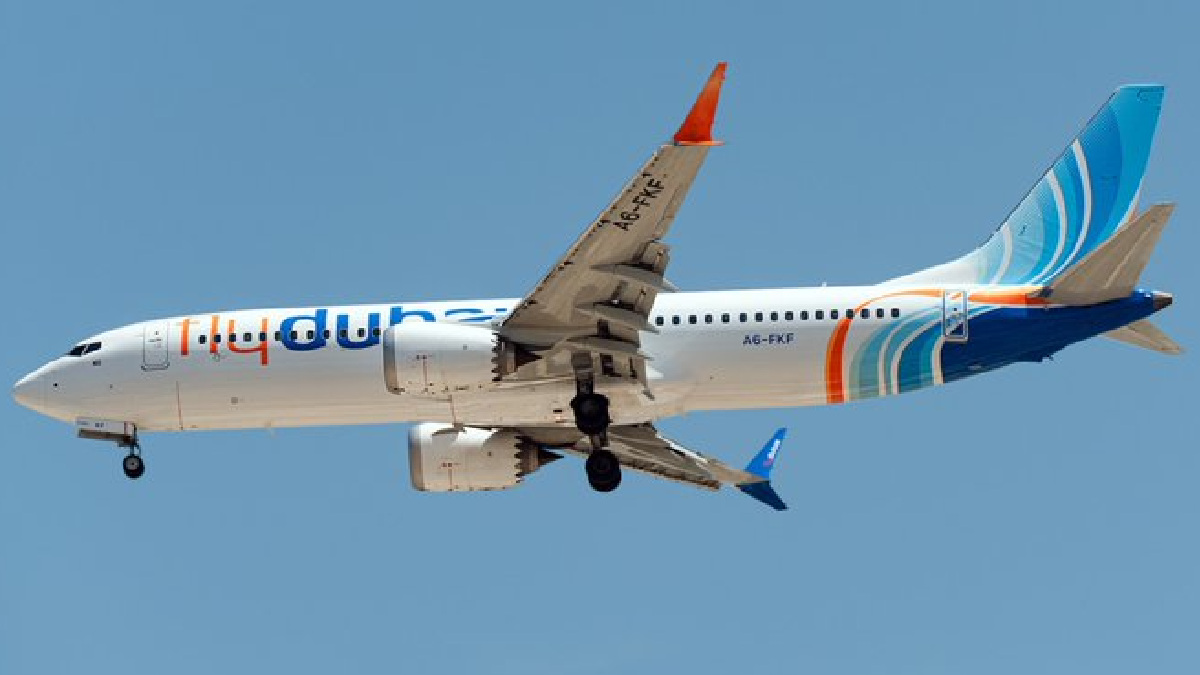
The plane was on a scheduled flight from Dubai to Tel Aviv when the situation developed while it was flying over the region. Flight tracking data and several media reports indicated the aircraft first transmitted Code 7700, the internationally recognised transponder code for a general emergency. Then, shortly after, Code 7500, a code used in civil aviation to indicate a possible hijacking or unlawful interference with an aircraft. The two codes being transmitted at the same time immediately raised the alarm for aviation and security authorities.
When news of the emergency signal came out, Israeli authorities treated the situation as a potential security threat. Israeli Air Force fighter jets were scrambled, and top officials in the security apparatus were notified, officials reported. Israeli Prime Minister Benjamin Netanyahu and other defence officials were notified, and officials in the military and intelligence community had discussions on whether the aircraft would be hijacked or another emergency, those people said.
The flight then changed course, going toward Saudi Arabia instead of Tel Aviv. Flight tracking showed the aircraft diverting and later arriving at Tabuk Airport in northwest Saudi Arabia. After some tense hours of uncertainty, passengers and authorities were relieved after the emergency landing. All passengers and crew were safe after the landing.
A little while before the incident, the transmission of Code 7500 broke the news that the plane may have been hijacked. But investigators and security officials began to realise that the emergency signals were not caused by a hijacking. Security sources said that a serious fight between the pilots in the cockpit might have caused the emergency.

According to these accounts, the cockpit dispute spiralled to the point where emergency procedures were activated. While the authorities have not yet released a final investigation report, several news sources said that the emergency signals may have been sent during or following a conflict between the pilots (not because of an external hijacking attempt).
The incident underlines the importance of aviation emergency codes and the very quick response they can induce. Code 7700 is used to notify air traffic control when an aircraft is in a serious emergency, and Code 7500 is used for suspected hijacking or unlawful interference. A 7500 signal can indicate a security threat and military and civil aviation authorities respond quickly until the nature of the emergency is proven.
Now that the aircraft safely made it to Saudi Arabia, the immediate task is to establish exactly what happened inside the cockpit and why the emergency signals were sent. Communications, flight data, and crew actions during the flight are likely to be examined. At this stage, it has not been confirmed that a hijacking took place, but several reports indicate that hijacking has been ruled out as a direct cause of the emergency.
The incident was of great concern because of the sensitive route and the number of passengers aboard. The plane landed safely, and no passenger injuries have been reported, but the dramatic sequence of emergency codes, military response, and diversion to Saudi Arabia has made this Flydubai flight one of the most closely watched aviation incidents of the day.