A discovery by neuroscientists has brought attention once again to one of the most extraordinary cognitive abilities ever identified. A teenager in France has been diagnosed with highly superior autobiographical memory (HSAM), an extremely rare condition that allows people to recall personal experiences from the most basic moments in their lives in a near-perfect way. Often called “mental time travel,” the condition is known to affect only 100 people worldwide.
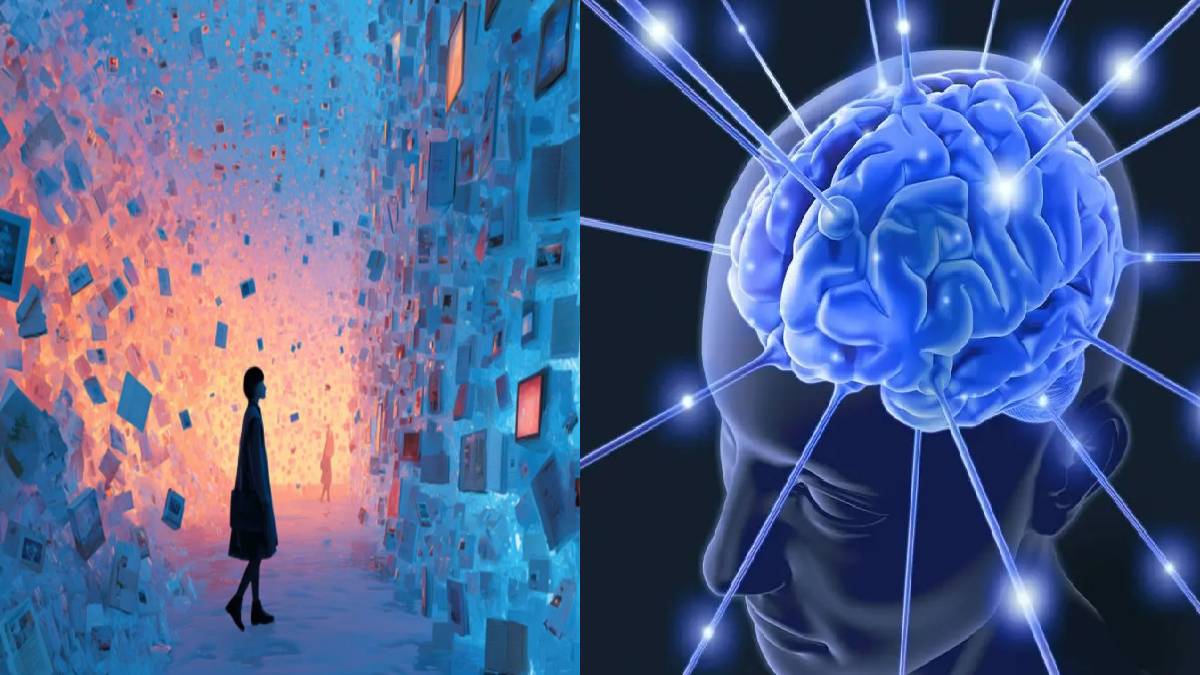
Unlike ordinary memory, which naturally fades or gets distorted over time, people with HSAM can recall specific dates, conversations, emotions, weather conditions, and personal events from years (even decades) earlier. The memories are so vivid that researchers compare the experience to mentally reliving a moment in time.
A teenager in France can mentally time travel ─ one of fewer than 100 people on Earth!
— All day Astronomy (@forallcurious) July 15, 2026
She can mentally travel back to any day of her life, reliving past events with rich sensory detail, and can similarly project herself into the future using the same brain processes. pic.twitter.com/yMwvTQ9FkS
Researchers refer to this phenomenon as autobiographical memory recall, in which people are able to recall deeply personal memories very accurately. Whereas most people recall only moments of major milestones or emotional significance, HSAM patients will remember what they wore, what they ate, where they were, or what they did on an otherwise ordinary day years ago.
A French teenager recently evaluated by cognitive researchers showed a remarkable ability to recall events relating to certain calendar dates. During memory assessments, the teenager could describe personal experiences on randomly selected dates with remarkable detail and often confirmed those memories through diaries, photographs, family records, or other documentation.
Researchers stress that HSAM is very different from having a photographic or eidetic memory. The two terms are often confused: photographic memory is the ability to retain visual images very quickly. HSAM, on the other hand, is about long-term memories of an experience and not memorizing books, numbers, or random information.
The ability has fascinated neuroscientists since the first reported cases were observed in the early 2000s. Since then, only a very small number of people worldwide have been identified with the condition, and every new case is of interest for scientific research.
Brain imaging studies on HSAM patients revealed subtle differences in regions involved in memory processing, emotional regulation, and information retrieval. The hippocampus, amygdala, and some parts of the cerebral cortex seem to have a role in storing and retrieving autobiographical memories, but scientists still have not determined why some people have such amazing recall while the vast majority do not.
The researchers also feel that memory formation is influenced by biological and psychological factors as well. Most HSAM users spend a lot of time thinking about past experiences and so may be more prone to remember what they have experienced in a more long-term process, which would support memory consolidation. Whether this tendency is related to the condition or not is a question that is still under investigation.
While having a near-perfect autobiographical memory is remarkable, emotional difficulties may accompany it as well. People with HSAM tend to be unable to forget painful events, embarrassing moments, grief, or traumatic experiences. Memories are particularly vivid, and emotions associated with them can become extremely strong, making it difficult to get over negative experiences.
For neuroscientists studying HSAM, it is a new opportunity to understand how the human brain can store, organize, and retrieve memories. Insights gained from these rare individuals could eventually guide treatments for neurological diseases, including Alzheimer's disease, dementia, traumatic brain injury, and other diseases of memory loss.
Exploring the mechanisms of extraordinary memory could also help improve educational methods, cognitive rehabilitation, and artificial intelligence systems to model human memory processes.
The discovery of the French teenager adds another important chapter to ongoing research into one of neuroscience's greatest mysteries. Scientists have not found much to explain why memory varies so much between individuals over so many years of study.
Each new case we encounter in HSAM provides us with more insight into the amazing complexity of the human brain. While most people are trained to forget thousands of everyday events in their lives, this rare teenager can recall them clearly—an ability so rare that fewer than 100 people on Earth are known to share it.
The discovery is a testament to the extent to which human cognition is very diverse, but also to how much more knowledge there is about memory, consciousness, and the great capabilities of the human mind.